1. Define Objectives
Establish clear goals for your composting programme. To learn more about effective waste management, consider exploring suburban strategies for smart waste.
What if the simple act of composting could transform your community and environment? By engaging in community composting initiatives, we not only reduce waste but also foster a deep sense of belonging among neighbors, creating a vibrant ecosystem together. Here’s a glimpse of the valuable insights you’ll gain from understanding the significance of these initiatives.
Here is a visual representation of the essential steps to establish a successful community composting initiative.
Establish clear goals for your composting programme. To learn more about effective waste management, consider exploring suburban strategies for smart waste.
Choose suitable areas for compost drop-off sites.
Collaborate with local businesses and organizations for support.
Create a framework including permits and staffing.
Inform residents about benefits and practices of composting.
Collect feedback and make necessary programme adjustments.
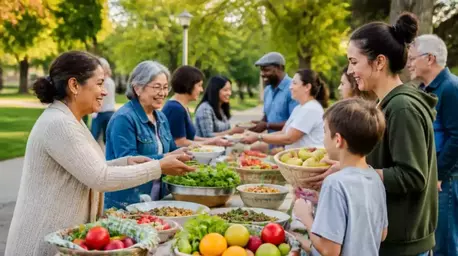
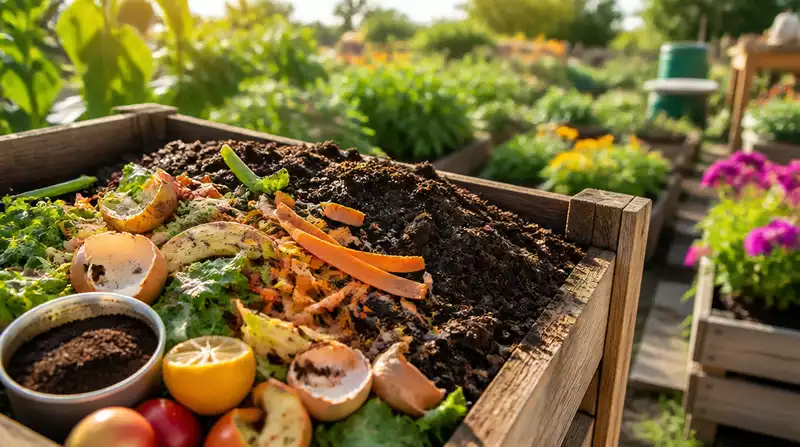
When we think about making our suburbs greener, community composting is a fantastic initiative we can't overlook! Imagine turning waste into something valuable while boosting our local environment. At Greener Suburbs, we believe that community composting isn’t just about recycling food scraps, but it’s also about building relationships and fostering a sense of belonging among neighbors.
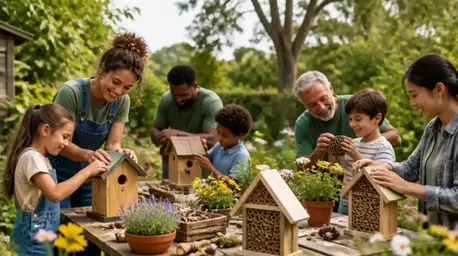
Community composting is a hands-on way for residents to contribute to their local ecosystem. By working together, we can reduce waste and create nutrient-rich compost that can be used in gardens and parks. Think of the vibrant flowers and flourishing vegetables that can sprout from these efforts! It’s about turning waste into wonders while reinforcing our commitment to sustainable living in the suburbs.
Community composting involves gathering organic waste from local residents and businesses to create compost that benefits everyone. It's a collaborative effort where individuals can drop off their scraps at designated sites. Greener Suburbs can help facilitate this process, guiding our community in turning trash into treasure!
This initiative can bring a variety of benefits, such as:
By participating in community composting, we not only reduce waste but also foster a deeper connection with our environment and each other.
Composting has a profound impact on our local ecosystems! It helps to enrich the soil, supports plant health, and can even improve water retention in gardens. Imagine our neighborhood gardens thriving with the nutrient-rich compost we create together!
Here are a few key ways composting benefits our local environment:
With each composting effort, we make strides toward a cleaner, greener suburban community. Together, we can make our neighborhoods a model of sustainability! For more ideas on how to improve your local area, check out organizing a neighborhood beautification project.
At Greener Suburbs, we champion the idea that composting is a cornerstone of sustainable living. By reducing the amount of organic waste that ends up in landfills, we can significantly lessen our carbon footprint. Plus, composting encourages the use of natural fertilizers rather than chemical ones, which is a win for both our health and the planet!
We can adopt sustainable practices by:
By embracing these practices, we inspire our community to participate actively in creating a more sustainable and beautiful environment for everyone!
Here's a brief recap of the key points discussed so far:
As we wrap up our discussion on community composting, it's clear that the journey to a successful programme involves several key steps. From understanding the importance of composting to engaging your local community, each action plays a crucial role in creating a sustainable waste management system. By following these steps, not only do we reduce waste, but we also foster a sense of community and environmental responsibility.
Here’s a quick recap of the key steps for implementation:
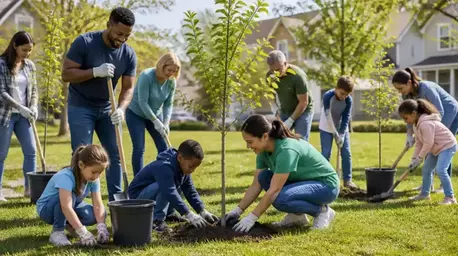
Now is the perfect time to get involved! At Greener Suburbs, we believe everyone can contribute to a healthier environment, and composting is a fantastic way to start. Whether you’re a seasoned gardener or new to the eco-friendly lifestyle, participating in a community composting programme can make a significant difference.
So, what can you do? Start by reaching out to your neighbors and discussing the possibility of setting up a composting programme. You can also join local groups focused on sustainability, where you’ll find resources and support from others passionate about making our suburbs greener. Remember, every small effort adds up!
Building a thriving community composting programme doesn’t need to be done alone! Leverage local resources and networks to strengthen your efforts. Here are some great ways to connect:
These connections will not only enhance your programme but also create a collaborative environment where everyone feels involved. Together, we can make our suburbs not just greener, but thriving ecosystems that reflect our commitment to sustainability. For more ideas on how to get started, consider starting your community green initiative.
Here is a quick recap of the important points discussed in the article:
Clara Jennings is an environmental advocate and community organizer dedicated to promoting sustainable practices in suburban living. With a background in environmental science and years of experience in community engagement, Clara works passionately to inspire neighborhoods to embrace eco-friendly initiatives that enhance their surroundings and foster a sense of community.