Food Dependency on Pollinators
About one-third of the food we eat relies on pollinators, including fruits, vegetables, and nuts.
Did you know that approximately one-third of the food we consume relies on pollinators like birds and bees? Their tiny actions lead to significant impacts on our food security and ecosystem health. Understanding their importance isn't just for wildlife enthusiasts; it’s a call to action for all of us to create thriving habitats that support these essential creatures.
Understanding the essential roles that birds and bees play in our ecosystems can be illustrated through the following key data points:
About one-third of the food we eat relies on pollinators, including fruits, vegetables, and nuts.
Pollinators support a wide variety of plant species, which is crucial for maintaining ecosystem diversity.
Healthy plant life, supported by pollinators, improves soil quality and prevents erosion.
Creating habitats for pollinators helps sustain their populations and maintains balanced ecosystems.
Creating a thriving environment for birds and bees is not just a trend; it’s a vital step towards maintaining the delicate balance of our ecosystems. These small creatures play a huge role in our world. By understanding their importance, we can cultivate habitats that support their survival and, in turn, benefit our suburban communities. You can learn more about sustainable tips for suburban living to further enhance your local environment.
Birds and bees are essential to pollination, which is necessary for many plants, including those we rely on for food. Did you know that about one-third of the food we eat depends on pollinators? This includes fruits, vegetables, and nuts. So, when we support bird and bee habitats, we’re not just helping wildlife; we’re also ensuring food security for ourselves and future generations!
Pollinators, like bees and certain birds, are crucial for the reproduction of many flowering plants. They transfer pollen between flowers, which leads to fruit and seed production. Without pollinators, many plants would struggle to reproduce, leading to a decline in biodiversity.
Here are some key points about the role of pollinators:
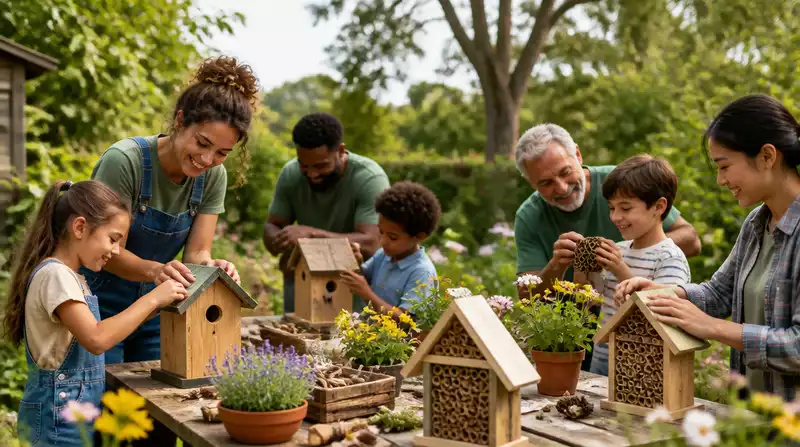
As we work at Greener Suburbs, we can engage our neighbors in creating spaces that encourage these important pollinators to thrive. Imagine our gardens filled with colorful flowers buzzing with bees and chirping with birds!
Local habitats serve as safe havens for wildlife, particularly in suburban areas where natural spaces are shrinking. By creating bird and bee habitats, we provide essential resources for these creatures, helping to sustain their populations. This effort is vital to maintaining a balanced ecosystem.
There are multiple reasons why local habitats are important for conservation:
At Greener Suburbs, we believe that every small initiative counts! By working together to enhance our local ecosystems, we can make a significant impact on wildlife conservation. It’s exciting to think about how our neighborhoods can transform into vibrant habitats that not only beautify our surroundings but also support our planet! To further contribute, consider participating in eco-friendly cleanup efforts.
Here's a brief recap of the key points discussed so far:
When we create bird and bee habitats together, it’s essential to look beyond the initial setup. Long-term care ensures that these habitats thrive and continue to support our feathered friends and buzzing pollinators. At Greener Suburbs, we believe that ongoing commitment is crucial for sustaining these vital ecosystems. So, how can we keep this momentum going?
One effective way is to establish a regular maintenance schedule with our dedicated volunteers. This not only keeps the habitats in tip-top shape but also fosters a sense of ownership among participants. Imagine returning to a beautifully maintained habitat and seeing bees buzzing happily or birds nesting! Together, we can create a lasting impact in our neighborhoods. Learn more about suburban strategies for smart waste to integrate further sustainability into your community efforts.
To keep our habitats thriving, we need to invite volunteers to contribute regularly. Establishing a maintenance schedule makes it easy for everyone to know when they can lend a hand. Here are some steps to get started:
By organizing our efforts, we can ensure that our habitats remain healthy and inviting. Plus, it’s a great way to build friendships and community spirit along the way!
Once we’ve created our habitats, we need to keep the community engaged. Continuous involvement is key to fostering a love for nature and environmental stewardship. Here are some ideas to encourage participation:
By celebrating our achievements and maintaining open communication, we can keep our community excited about habitat care. Let's remind everyone that each contribution, big or small, makes a difference!
As we care for our bird and bee habitats, we should also focus on implementing sustainable practices. This not only benefits the environment but also sets a great example for future generations. Here are some practices to consider:
By making sustainable choices in our habitat care, we contribute positively to the environment while inspiring others to do the same. It’s all part of the journey towards creating greener suburbs! Discover more sustainable gardening tips for suburbs to further enhance your green initiatives.
As we continue our journey in habitat building, gaining knowledge and resources is essential. The more we learn, the better we can support our local wildlife! Here are some valuable tools to aid our efforts:
Providing volunteers with clear guidelines can make a big difference. Consider creating downloadable checklists for various tasks related to habitat care. Here are some ideas for what to include:
By offering these resources, we empower our volunteers and create a shared vision for habitat success!
Networking with local environmental organizations can provide access to additional resources and support. Collaborating with like-minded groups can amplify our efforts. Here are a few organizations to consider reaching out to:
These partnerships can enhance our initiatives and strengthen our community’s commitment to sustainability.
Education is fundamental to fostering a culture of care for our habitats. By organizing workshops and programs, we can teach valuable skills to our community. Consider offering workshops on:
These programs not only enrich our knowledge but also create lasting connections within our community. Who’s ready to make a difference?
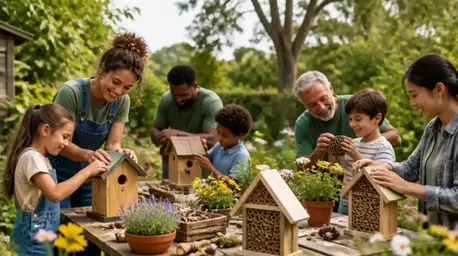
As we work towards creating beautiful habitats for birds and bees, I invite you to be a part of this exciting journey. Together, we can shape a greener future! Here’s how you can get involved:
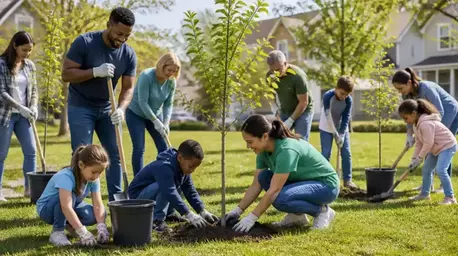
Are you looking for ways to make a positive impact in your community? Join us at Greener Suburbs for upcoming habitat projects! Here are some easy steps to get started:
Every hand helps, and together we can create lasting change! For more ways to contribute, consider building pollinator-friendly community corridors in your neighborhood.
Let’s celebrate our achievements! Sharing our success stories inspires others and demonstrates the impact of our work. Consider:
Your stories can motivate others to join the cause and help us build a sustainable future together. So, what are you waiting for? Let's get started!
Here is a quick recap of the important points discussed in the article:
Clara Jennings is an environmental advocate and community organizer dedicated to promoting sustainable practices in suburban living. With a background in environmental science and years of experience in community engagement, Clara works passionately to inspire neighborhoods to embrace eco-friendly initiatives that enhance their surroundings and foster a sense of community.