Clean Suburbs and Local Wildlife
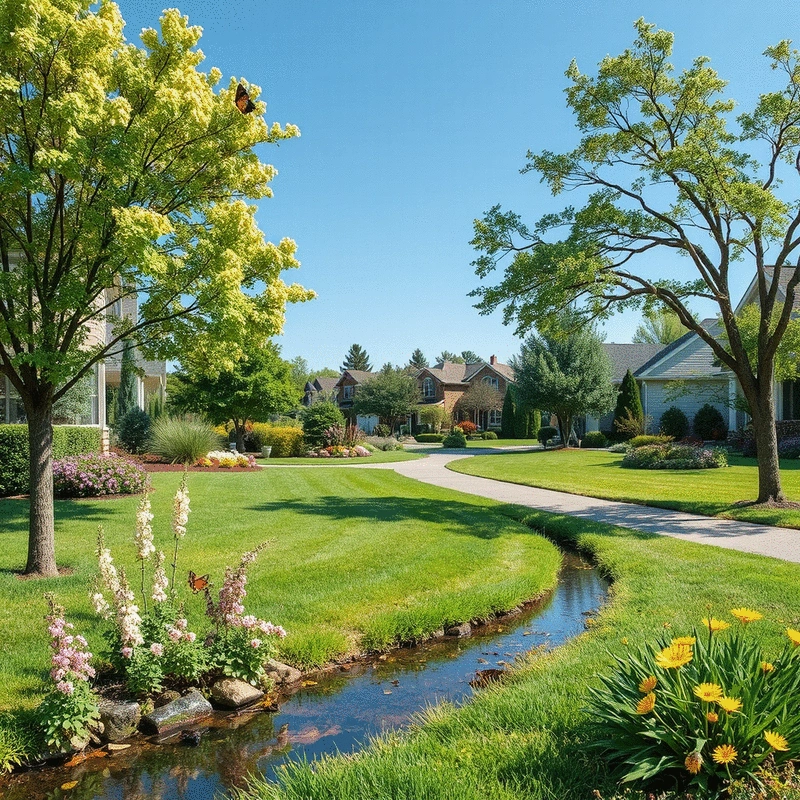
What if the health of your neighborhood directly impacts the survival of local wildlife? As urban areas expand, understanding this connection becomes essential. Clean suburbs nurture both human communities and the ecosystems we share, fostering an environment where nature can thrive. Let's explore the key lessons that highlight the importance of maintaining cleanliness in our suburbs!
What You Will Learn
- Importance of Clean Suburbs: Clean urban areas are crucial for providing habitats and resources for local wildlife, enhancing biodiversity.
- Pollution Reduction Benefits: Maintaining cleanliness leads to decreased pollution levels, which positively impacts both wildlife and human health.
- Community Engagement: Active participation in community cleanups and sustainability initiatives fosters pride and ownership in shared spaces.
- Native Planting Practices: Encouraging the use of native plants in gardens contributes to the creation of habitats that support local wildlife.
- Assessing Cleanliness Metrics: Regular evaluation of waste management practices, recycling rates, and biodiversity can gauge the health of urban ecosystems.
- Long-Term Urban Planning: Integrating wildlife needs into urban development ensures vibrant ecosystems that can adapt to environmental changes.
- Advocacy for Wildlife Policies: Supporting local policies that promote green initiatives is vital for the sustainability of our neighborhoods and their wildlife inhabitants.
Key Metrics for Clean Suburbs and Local Wildlife
Understanding the relationship between urban cleanliness and wildlife health can be visualized through key metrics that show the impact of community efforts. For example, effective suburban strategies for smart waste management directly contribute to a healthier environment for both residents and local fauna.
Waste Collected During Community Cleanups
Total amount of waste collected during community cleanups can significantly affect local wildlife health and habitat cleanliness.
5 tons
Recycling Rates in Residential Areas
Higher recycling rates contribute to less waste going to landfills, promoting a healthier environment.
30%
Native Species in Local Parks
The diversity of native species is crucial for maintaining balanced ecosystems in urban settings.
15 species
Community Feedback on Cleanliness
Surveys can provide insight into residents' perceptions of cleanliness and its impact on community engagement.
85% positive
Understanding the Connection Between Clean Suburbs and Local Wildlife
When we think about clean suburbs, it’s more than just a pretty sight—it’s about nurturing the environment that surrounds us. Clean suburbs are vital for supporting local wildlife, ensuring that nature thrives alongside our neighborhoods. At Greener Suburbs, we believe that by fostering cleanliness, we can create a home for both our communities and the creatures that share our space. So, what does it mean to have clean suburbs? Let’s dive in!
Defining Clean Suburbs: What Does It Mean?
Clean suburbs are characterized by their well-maintained streets, tidy parks, and vibrant gardens. The emphasis is on reducing litter, promoting recycling, and creating spaces that invite nature in. When we talk about cleanliness, we're not just referring to the absence of trash, but also to the practices that maintain our environment in a sustainable way.
Some key standards and practices for cleanliness in urban areas include:
- Regular community cleanups to remove litter
- Encouraging recycling and composting efforts
- Implementing native planting in local gardens
- Creating awareness about waste reduction
Standards and Practices for Cleanliness in Urban Areas
Maintaining cleanliness in our suburbs requires consistent effort from every resident. By establishing community standards for cleanliness, we can create a sense of pride and ownership over our shared spaces. Simple actions, like picking up after pets or using proper trash receptacles, can have a significant impact! For more information on how to get involved, consider learning about organizing eco-friendly cleanup efforts in your area.
It’s also crucial to foster a culture of participation. Residents can join forces with local organizations like Greener Suburbs to lead initiatives that promote sustainable practices. Imagine the difference we can make when we all pitch in together!
Measurement Metrics: Assessing Cleanliness and Environmental Impact
How do we know if our suburbs are truly clean? By assessing various metrics, we can gauge our progress and impact on the environment. Common metrics include:
- Amount of waste collected during community cleanups
- Recycling rates in residential areas
- Number of native species in local parks
- Feedback from community surveys on cleanliness perceptions
These metrics help us understand the changes we’re making and inspire further action. By taking a closer look at our effects on the environment, we can ensure that our suburbs remain not only clean but also thriving!
Exploring the Effects of Urbanization on Local Wildlife
Urbanization can have profound consequences on local wildlife, often leading to habitat loss and fragmentation. As we build and expand our suburbs, we need to consider how these changes impact the diverse species that call our neighborhoods home. It's essential to recognize that our actions in maintaining cleanliness can directly influence the health of these ecosystems. Understanding the impact of community cleanups on wildlife health is a crucial step.
Through thoughtful planning and community engagement, we can create an environment where both residents and wildlife coexist harmoniously. After all, a clean suburb is not just a testament to our pride but a sanctuary for local wildlife!
Habitat Fragmentation and Its Consequences for Biodiversity
As suburbs expand, they can fragment natural habitats, isolating wildlife populations. This fragmentation can lead to a decline in biodiversity, as it becomes increasingly difficult for species to find food, shelter, and mates. The impact on local ecosystems can be devastating!
By focusing on cleanliness and conservation, we can work against these challenges. Initiatives like planting native trees or creating wildlife-friendly gardens can provide critical pathways for animals, helping them thrive within urban settings.
The Role of Cleanliness in Minimizing Pollution and Habitat Loss
Keeping our suburbs clean plays a vital role in reducing pollution and protecting local habitats. When litter and waste are managed properly, we minimize the risk of chemicals and pollutants entering our ecosystems. This not only benefits wildlife but also enhances our own quality of life.
In conclusion, understanding the connection between clean suburbs and local wildlife is essential for fostering a thriving environment. By engaging in eco-friendly practices and promoting cleanliness, we can make our communities vibrant spaces—both for ourselves and for the wonderful wildlife we share them with!
Quick Summary
Here's a brief recap of the key points discussed so far:
- Clean suburbs are essential for supporting local wildlife and maintaining biodiversity.
- Community involvement in cleanliness initiatives, such as cleanups and native planting, fosters a sense of pride.
- Metrics for cleanliness help assess the impact of our efforts on the environment and wildlife health.
- Urbanization presents challenges to local wildlife, but sustainable practices can create harmonious coexistence.
Frequently Asked Questions (FAQs)
- Q: Why are clean suburbs important for local wildlife?
- A: Clean suburbs provide healthier habitats, reduce pollution, and offer essential resources like food and nesting sites, which are crucial for the survival and thriving of local wildlife.
- Q: What defines a "clean suburb"?
- A: A clean suburb is characterized by well-maintained streets, parks, and gardens, with practices that emphasize litter reduction, recycling, composting, and the integration of native plants to support local ecosystems.
- Q: How can residents contribute to cleaner suburbs?
- A: Residents can participate in community cleanups, practice proper waste disposal, recycle, compost, plant native species in their gardens, and educate neighbors about the importance of cleanliness and biodiversity.
- Q: What are the consequences of habitat fragmentation on biodiversity?
- A: Habitat fragmentation isolates wildlife populations, making it difficult for species to find food, shelter, and mates, which can lead to a decline in biodiversity and impact the overall health of local ecosystems.
- Q: How do we measure the cleanliness and environmental impact of our suburbs?
- A: Metrics include the amount of waste collected during cleanups, recycling rates, the number of native species in local parks, and community feedback surveys on perceptions of cleanliness.
- Q: What role does urban planning play in supporting wildlife?
- A: Urban planning should integrate wildlife needs by designing neighborhoods that include green spaces, native plant gardens, and policies that protect natural habitats to ensure harmonious coexistence and long-term sustainability.
Summarizing the Impact of Clean Suburbs on Local Wildlife
As we reflect on the relationship between clean suburbs and local wildlife, it’s clear that our efforts in maintaining cleanliness directly influence the health of our ecosystems. The link between a tidy neighborhood and thriving wildlife is profound. Clean environments reduce pollution and create habitats where animals can flourish, enhancing biodiversity in our communities.
Moreover, when we prioritize cleanliness, we not only protect local wildlife but also cultivate a sense of community pride. At Greener Suburbs, we believe that every little effort counts! By keeping our surroundings clean, we promote a healthier habitat for nature while simultaneously improving our quality of life.
Key Takeaways: Balancing Cleanliness and Wildlife Conservation
Understanding the delicate balance between urban cleanliness and biodiversity is crucial for sustainable living. Here are some key points to remember:
- Urban Cleanliness Enhances Habitats: Clean areas provide essential resources for wildlife, from food sources to safe nesting spots.
- Pollution Reduction: Keeping our neighborhoods clean leads to less pollution, reducing harm to both wildlife and human health.
- Biodiversity Boost: Clean streets and parks support a wider variety of species, encouraging a vibrant ecosystem.
These points highlight how essential it is to maintain clean environments. The long-term implications for urban planning and wildlife management are significant. We need to integrate these considerations into our community's future development plans!
The Interconnectedness of Urban Cleanliness and Biodiversity
Urban cleanliness and biodiversity are deeply intertwined. When we create a cleaner space, we are investing in the health of wildlife populations. This connection can lead to more robust ecosystems capable of adapting to environmental changes, thus fostering resilience in our neighborhoods.
Additionally, the benefits extend beyond wildlife—clean suburbs can enhance our mental well-being, reduce stress, and promote social interactions. It's a win-win situation! By fostering a cleaner environment, we ensure that both people and wildlife thrive.
Long-Term Implications for Urban Planning and Wildlife Management
As we envision our suburbs, we should embrace the concept of wildlife-friendly urban planning. This means designing neighborhoods that not only accommodate human activities but also nurture wildlife. Simple changes, such as incorporating green spaces and native plant gardens, can have a profound impact!
Engaging with local policymakers to advocate for sustainable practices ensures that our communities remain vibrant and ecologically balanced. By aligning urban development with wildlife needs, we create a legacy of sustainability for future generations.
Call to Action: Steps for Individuals and Communities
Now that we understand the importance of clean suburbs for wildlife, it’s time to take actionable steps! Here are some practical tips for everyone looking to make a difference:
- Participate in Community Cleanups: Join local efforts to keep parks and streets clean. It's a great way to meet neighbors and contribute to a shared cause.
- Plant Native Species: Encourage the growth of native plants in your gardens to provide essential habitats for local wildlife.
- Educate Your Neighbors: Share information about the importance of cleanliness and biodiversity through community newsletters or social media.
By taking these small steps, we can collectively foster a cleaner, wildlife-friendly suburb. Remember, every action counts! Together, we can create environments where both people and wildlife can thrive harmoniously.
Encouraging Local Policies that Support Urban Wildlife Conservation
Advocating for local policies that support wildlife conservation is vital. We can encourage our local governments to prioritize green initiatives that benefit both our communities and the wildlife living in them. This includes supporting regulations that protect green spaces and promote sustainable development practices. For further ideas on community involvement, explore tips for sustainable suburban living.
Let’s keep the conversation going! By working together, we can ensure that our suburbs remain clean, vibrant, and welcoming to all forms of life. What initiatives have you seen in your community? Share your experiences with us, and let’s inspire one another to keep pushing for positive change!
Recap of Key Points
Here is a quick recap of the important points discussed in the article:
- Clean Suburbs Support Wildlife: Maintaining cleanliness in urban areas enhances habitats for local wildlife, providing resources like food and safe nesting spots.
- Community Engagement is Key: Regular community cleanups and participation in local initiatives foster a culture of cleanliness and responsibility among residents.
- Measuring Cleanliness and Impact: Utilizing metrics such as waste collected and recycling rates helps gauge the effectiveness of cleanliness efforts and their impact on biodiversity.
- Native Planting Benefits: Incorporating native species in gardens and parks can mitigate habitat loss and provide essential pathways for wildlife.
- Advocating for Sustainable Policies: Supporting local policies that prioritize green spaces and wildlife conservation is crucial for long-term urban planning and community health.

Clara Jennings
Clara Jennings is an environmental advocate and community organizer dedicated to promoting sustainable practices in suburban living. With a background in environmental science and years of experience in community engagement, Clara works passionately to inspire neighborhoods to embrace eco-friendly initiatives that enhance their surroundings and foster a sense of community.
Popular Posts
Build Your Community Food Network
![Build Your Community Food Network]() What if your community could eliminate hunger and strengthen bonds among neighbors? Community food-s
What if your community could eliminate hunger and strengthen bonds among neighbors? Community food-s
 What if your community could eliminate hunger and strengthen bonds among neighbors? Community food-s
Low-Waste Weekly Shopping Tips
![Low-Waste Weekly Shopping Tips]() Have you ever considered how the simple act of shopping can significantly impact our environment? Ad
Have you ever considered how the simple act of shopping can significantly impact our environment? Ad
 Have you ever considered how the simple act of shopping can significantly impact our environment? Ad
Create Habitats with Local Volunteers
![Create Habitats with Local Volunteers]() Did you know that approximately one-third of the food we consume relies on pollinators like birds an
Did you know that approximately one-third of the food we consume relies on pollinators like birds an
 Did you know that approximately one-third of the food we consume relies on pollinators like birds an
Organize Your Neighbourhood Tree Planting
![Organize Your Neighbourhood Tree Planting]() Consider this: a single tree can absorb over 48 pounds of carbon dioxide each year, significantly c
Consider this: a single tree can absorb over 48 pounds of carbon dioxide each year, significantly c
 Consider this: a single tree can absorb over 48 pounds of carbon dioxide each year, significantly c
