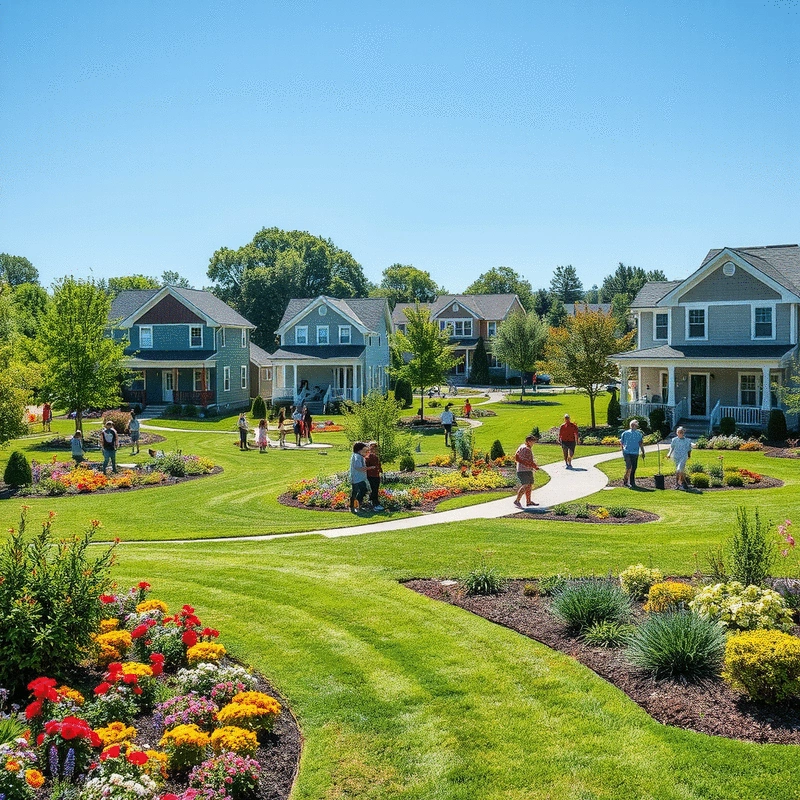
Enhance Environmental Quality
Promote biodiversity and improve the physical environment for residents.
Have you ever noticed how a simple flower garden or a clean park can transform a dull neighborhood into a vibrant community? Neighborhood beautification is not just about aesthetics; it's a catalyst for community pride and cohesion. In this article, we delve into the significance of beautifying our surroundings and how it can lead to a more engaged and connected community.
Neighborhood beautification initiatives aim to enhance community engagement and improve local environments. Below are the main objectives:
Promote biodiversity and improve the physical environment for residents.
Foster volunteerism and active participation among residents.
Increase property values through improved neighborhood aesthetics.
Reflect community diversity and ensure accessibility for all residents.
Have you ever strolled through your neighborhood and felt a sense of pride at the sight of beautiful gardens, clean parks, and vibrant community spaces? Neighborhood beautification is about more than just aesthetics; it's about creating a welcoming and thriving community. By focusing on improving our surroundings, we not only enhance the beauty of our neighborhoods but also strengthen the bonds among residents.
At Greener Suburbs, we understand that beautification initiatives hold the potential to inspire every resident to take part in a shared vision. The goals of neighborhood beautification include enhancing local landscapes, promoting sustainable practices, and encouraging community participation. When we come together to clean up parks or plant gardens, we cultivate a stronger sense of belonging! For more insights, consider organizing a neighborhood beautification project.
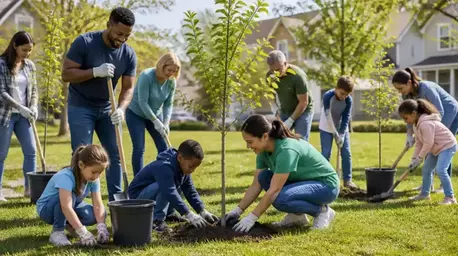
So, what exactly is neighborhood beautification? It involves a range of activities aimed at improving the physical environment of our communities. This can include things like planting trees, installing public art, or creating community gardens. These efforts are not merely cosmetic; they strive to foster environmental sustainability and enhance the overall quality of life for residents.
The ultimate goals of beautification are to transform public spaces into vibrant areas that residents can enjoy. Here are some key objectives:
A well-maintained neighborhood can have a profound impact on the quality of life for its residents. When we invest in beautification, we create spaces where families can gather, children can play, and neighbors can connect. Imagine walking through a park filled with blooming flowers and the laughter of children; it’s an inviting atmosphere that encourages social interaction!
By focusing on beautification, we can also foster a deeper sense of community cohesion. When everyone participates in beautification efforts, it can lead to:
At Greener Suburbs, we believe that a beautiful neighborhood is a happy one! Together, we can work to enhance our living spaces, making them not only visually appealing but also functional and friendly. What are some ways you envision improving your neighborhood? Let’s share ideas and make our communities shine!
Here's a brief recap of the key points discussed so far:
When we look at neighborhoods that have successfully transformed their spaces, we often find shared lessons that can guide future beautification efforts. As we strive to make our suburbs more inviting through Greener Suburbs, it’s crucial to understand what worked well in these initiatives. By studying these successful case studies, we can develop a framework of best practices that can be applied in our own communities!
One key takeaway is the importance of involving community members from the very start. Successful projects actively sought input and participation, ensuring that the beautification efforts truly reflected the needs and desires of the residents. By fostering a sense of ownership, these initiatives not only beautified the area but also strengthened community bonds.
As we explore best practices, it’s helpful to highlight specific strategies that have proven effective. Here are some valuable approaches to consider when planning your own neighborhood beautification projects:
By adopting these practices, we can increase the likelihood of replicating successful beautification models in our own neighborhoods. It’s all about working together and learning from one another!
Looking ahead, there are some important insights to keep in mind as we embark on future beautification initiatives. One major takeaway is the need for flexibility in planning. Each neighborhood is unique, and adaptability is key to addressing specific challenges and seizing opportunities that arise during the beautification process.
Another insight is the power of storytelling. Sharing stories of past successes and struggles helps inspire new participants to join our cause. As a community organizer, I’ve seen firsthand how narratives can mobilize individuals—when people connect emotionally to a project, they are more likely to get involved and contribute! Learn more about joining our eco-friendly cleanup efforts to make a direct impact.
Engagement is the heart of any successful beautification effort. It’s not just about planting flowers or picking up litter; it's about fostering a shared vision for our neighborhoods. The more we involve residents, the more vibrant and lasting the changes we can create together. Imagine how wonderful it would be to see your neighbors excited about making their surroundings beautiful!
Through initiatives like those at Greener Suburbs, we can build strong relationships within our communities. By working together on beautification projects, we create spaces that everyone can take pride in and enjoy! So, how can you bring your neighbors into the fold?
Engaging residents starts with clear communication and opportunities for participation. Here are some practical steps to involve your community:
By implementing these steps, we can create a culture of active participation that empowers residents to take ownership of their community’s beauty.
Building a strong culture of engagement requires continual effort and creativity. It’s essential to celebrate achievements, big or small, to encourage ongoing involvement. Consider hosting community events where residents can showcase their contributions or share successes. This can inspire others to join in!
It’s also vital to maintain open channels of communication. Regular updates about beautification projects can keep community members informed and excited. Together, we can cultivate a lively, collaborative spirit that enhances our neighborhoods through shared effort and dedication!
Collaborating with organizations like the Local Initiatives Support Corporation (LISC) can significantly bolster our beautification efforts. These partnerships provide access to resources, funding, and expertise that can make a real difference. Through collaboration, we can tap into a wealth of knowledge and experience that drives our initiatives forward.
By pooling our resources with LISC and similar organizations, we can enhance the impact of our beautification projects. Let’s keep the conversation going and explore how we can work together for a more vibrant and sustainable suburban experience!
Now that we’ve explored the lessons learned and the importance of community engagement, it’s time to take action! Beautifying our neighborhoods is a shared responsibility, and every individual can contribute in their own way. Imagine the ripple effect of your efforts—what if you inspired just one neighbor to join in?
Whether you start small or lead larger initiatives, each step counts toward a cleaner, greener community. So, are you ready to get involved? Let’s turn those visions of beauty into reality together!
Here are some simple steps you can take to start beautifying your neighborhood:
Each of these steps can help create lasting change in our communities and inspire others to do the same!
As you embark on your beautification journey, remember that there are plenty of resources available to support your efforts. Organizations like Greener Suburbs offer guidance, tools, and even funding opportunities to help you succeed. Here are some resources to consider:
By utilizing these resources, you can create a meaningful impact that resonates within your community. Together, let’s make our neighborhoods shine!
Here is a quick recap of the important points discussed in the article:
Clara Jennings is an environmental advocate and community organizer dedicated to promoting sustainable practices in suburban living. With a background in environmental science and years of experience in community engagement, Clara works passionately to inspire neighborhoods to embrace eco-friendly initiatives that enhance their surroundings and foster a sense of community.