Building Green Spaces Together
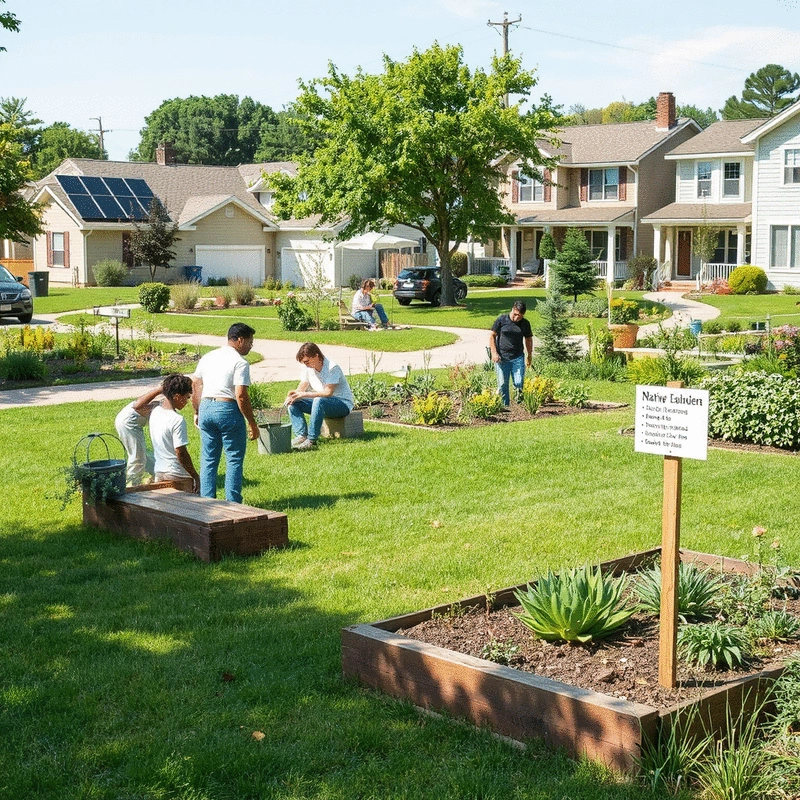
Did you know that green spaces can significantly enhance the quality of life in suburban neighborhoods? As you delve into the article, you will discover how these vibrant areas not only beautify our surroundings but also promote community well-being, physical health, and environmental sustainability.
What You Will Learn
- Green spaces play a vital role in fostering social interaction and community connections, creating opportunities for neighbors to meet and form friendships.
- Access to parks and gardens encourages physical activity, helping residents maintain a healthier lifestyle.
- Spending time in nature has been shown to reduce stress and improve mental health, contributing to overall happiness.
- Urban greening initiatives improve air quality, regulate temperatures, and support local biodiversity, making them essential for environmental health.
- Creating community gardens can foster connections and build a sense of belonging, transforming neighborhoods into vibrant, greener spaces.
- Practical steps for starting a community garden include gathering a team, choosing an appropriate location, and planning the garden layout effectively.
- Budgeting for green space projects is crucial; exploring grants, donations, and hosting fundraisers can help alleviate financial barriers.
- Utilizing technology, such as social media and gardening apps, can enhance community engagement and provide valuable resources for participants.
- Creating pollinator gardens and food forests not only beautifies suburbs but also supports local ecosystems and promotes sustainable practices.
Key Benefits of Green Spaces in Suburban Neighborhoods
Green spaces enhance community well-being through social interaction, physical activity, and improved mental health. Below are some key benefits illustrated for clarity.
Social Interaction
Parks and gardens bring people together, fostering friendships and community ties.
Physical Activity
Access to green spaces encourages walking, jogging, and playing, promoting a healthier lifestyle.
Mental Health
Spending time in nature reduces stress and boosts mood, enhancing overall well-being.
Environmental Impact
Greener neighborhoods contribute to cleaner air and enhanced biodiversity.
Understanding the Importance of Green Spaces in Suburban Neighborhoods
Have you ever strolled through a lush park in your neighborhood and felt a sense of peace? Green spaces are not just pretty to look at; they play a crucial role in enhancing the quality of life in suburban areas. From parks to community gardens, these areas bring people together and contribute significantly to community well-being. At Greener Suburbs, we believe that every neighborhood can benefit from these vibrant spaces, promoting sustainable living!
When we talk about green spaces, we refer to any area filled with greenery—and that includes parks, gardens, and even green rooftops! Their presence in our communities promotes social interaction, encourages outdoor activities, and fosters a sense of belonging. Just imagine how different our neighborhoods would feel with more places for families to gather and children to play!
Defining Green Spaces and Their Role in Community Well-Being
Green spaces serve as the lungs of our suburban areas. They offer us fresh air, a reprieve from the hustle and bustle, and opportunities to connect with nature. These areas are vital for community well-being, as they provide a backdrop for social activities and recreational opportunities. Isn’t it wonderful how a simple park can be a gathering place for friends and families alike?
Some key aspects of green spaces include:
- **Social Interaction**: Parks and gardens bring people together, making it easier to meet neighbors and form friendships.
- **Physical Activity**: Access to green spaces encourages walking, jogging, and playing, promoting a healthier lifestyle for everyone.
- **Mental Health**: Spending time in nature reduces stress and boosts mood, making us feel more connected and happy.
The Environmental and Health Benefits of Urban Greening
Urban greening isn’t just beneficial to our spirits; it also plays a significant role in improving the environment! Greener Suburbs is dedicated to promoting eco-friendly practices, and embracing green spaces is a major step in that direction. These areas contribute to cleaner air, reduced heat, and enhanced biodiversity—benefits that we can all appreciate! We also offer resources on suburban strategies for smart waste management to further support environmental health.
Here are some remarkable benefits of creating greener neighborhoods:
- Air Quality Improvement: Trees and plants filter pollutants, providing us with fresher air.
- Temperature Regulation: Green spaces help cool the surrounding areas, making hot summers more bearable.
- Biodiversity Support: Parks and gardens serve as habitats for various species, promoting a healthy ecosystem.
Exploring Biodiversity and Urban Wildlife in Green Spaces
Have you noticed how many different creatures you can find in your local park? Urban green spaces are essential for supporting biodiversity. They provide homes for birds, insects, and other wildlife that might struggle to survive in a heavily built environment. By nurturing these green areas, we not only enhance our surroundings but also protect these vital species!
Encouraging biodiversity can be as simple as:
- **Planting Native Species**: They require less maintenance and provide food and shelter for local wildlife.
- **Creating Pollinator Gardens**: These attract bees, butterflies, and other beneficial insects that play a critical role in our ecosystem.
- **Maintaining Water Features**: Small ponds or rain gardens can support various aquatic life and help with stormwater management.
In conclusion, understanding the importance of green spaces in suburban neighborhoods is the first step towards creating a healthier and more vibrant community. At Greener Suburbs, we’re passionate about inspiring residents to take action and transform their surroundings into greener havens! So, what can we do together to make our neighborhoods bloom?
Quick Summary
Here's a brief recap of the key points discussed so far:
- Green spaces enhance community well-being by promoting social interaction and physical activity.
- Urban greening improves air quality, regulates temperature, and supports biodiversity.
- Creating community gardens fosters connections and provides a platform for environmental education.
Practical Steps to Create Your Own Green Space
Creating your own green space can seem like a big task, but it’s easier than you might think! At Greener Suburbs, we believe anyone can make a difference in their neighborhood, and starting a community garden is one of the best ways to do it. Let’s explore some practical steps to inspire and guide you on this exciting journey!
First, gather a few interested neighbors. Having a dedicated group will make the process enjoyable and engaging. Next, choose a suitable location for your garden—this could be a vacant lot, a school yard, or even a piece of land at a local park. Remember, the more people involved, the more fun it will be! For more detailed guidance, consider our tips on how to start a community garden today.
Step-by-Step Guide to Starting Your Community Garden
- Gather Your Team: Connect with neighbors who share your passion for gardening and sustainability.
- Choose the Right Location: Look for areas with good sunlight, access to water, and ideally, some shade.
- Plan Your Garden Layout: Decide on what to plant and where, considering the space and sunlight needs of each plant.
- Secure Permissions: If using public land, check in with local authorities or your Homeowners Association (HOA) to get necessary approvals.
- Organize a Kick-off Event: Host a fun event to gather the community, raise awareness, and start planting!
Starting a community garden is not just about growing plants; it’s about fostering connections and building a sense of community. As you plant those seeds, you’ll also cultivate friendships that can last a lifetime!
Budgeting for Your Green Space Project: Costs and Funding Options
Budgeting for your green space is crucial to ensure its success. Don’t worry; you don’t need a huge amount of money to get started! Here are some tips to help you plan your finances:
- Assess Initial Costs: Consider expenses like soil, seeds, tools, and water sources.
- Seek Donations: Reach out to local businesses for possible donations of materials or funds.
- Apply for Grants: Look for community or environmental grants that support green projects.
- Host Fundraisers: Organize bake sales, potlucks, or gardening workshops to gather resources.
By creating a solid budget and exploring various funding options, you’ll ensure your green space project can blossom without financial stress. Every effort counts!
Utilizing Technology and Tools to Enhance Community Engagement
In today’s digital age, technology can be a great ally in your green space efforts! From social media to apps, there are many tools to keep your community engaged and informed. Here’s how to effectively use technology:
- Create a Community Group: Use platforms like Facebook or WhatsApp to communicate updates and share gardening tips.
- Share Your Journey: Document your garden’s progress on Instagram or TikTok to inspire others.
- Utilize Gardening Apps: Apps can help with planning, tracking plant care, and even connecting with fellow gardeners.
- Host Virtual Workshops: Offer online gardening classes to educate and engage your community.
By embracing technology, you can enhance participation and spark enthusiasm around your green space project. Remember, it’s all about connection!
Creating Pollinator Gardens and Food Forests for Urban Agriculture
Imagine a garden buzzing with life, where flowers attract butterflies and bees while also providing delicious fruits and vegetables! Creating pollinator gardens and food forests can not only enhance beauty but also support local ecosystems. Here’s how to get started:
- Choose Native Plants: Select flowers and shrubs that are local to your area to attract pollinators.
- Incorporate Edible Species: Mix in fruit trees, berry bushes, and vegetable plants to grow food alongside flowers.
- Design with Layers: Create a vertical garden by planting taller trees next to shorter plants for a diverse structure.
- Provide Habitats: Add bee hotels, birdhouses, and compost areas to encourage wildlife.
By creating these unique gardens, we not only contribute to sustainability but also promote biodiversity in our suburbs. Let’s work together to welcome nature into our neighborhoods!
Recap of Key Points
Here is a quick recap of the important points discussed in the article:
- Importance of Green Spaces: Green spaces enhance community well-being by promoting social interaction, physical activity, and mental health.
- Environmental Benefits: Urban greening improves air quality, regulates temperature, and supports biodiversity.
- Encouraging Biodiversity: Planting native species and creating pollinator gardens are effective ways to support urban wildlife and ecosystems.
- Steps to Create a Community Garden: Gather a team, choose a suitable location, and plan your garden layout to foster community connections.
- Budgeting and Funding: Assess costs, seek donations, apply for grants, and host fundraisers to support your green space project.
- Utilizing Technology: Use social media, gardening apps, and virtual workshops to enhance community engagement and participation in green initiatives.
Frequently Asked Questions (FAQs)
- Q: What are the main benefits of green spaces in suburban neighborhoods?
- A: Green spaces enhance community well-being through social interaction, physical activity, and improved mental health. They also contribute to cleaner air, regulate temperatures, and support local biodiversity.
- Q: How do green spaces promote social interaction?
- A: Parks and gardens provide common areas where neighbors can meet, socialize, and form friendships, fostering a stronger sense of community.
- Q: What environmental benefits do urban greening initiatives offer?
- A: Urban greening improves air quality by filtering pollutants, helps regulate local temperatures, and supports biodiversity by providing habitats for various species.
- Q: What are the initial steps to starting a community garden?
- A: Key steps include gathering a team of interested neighbors, choosing a suitable location with good sunlight and water access, planning the garden layout, and securing any necessary permissions from local authorities or HOAs.
- Q: How can community green space projects be funded?
- A: Funding can come from assessing initial costs, seeking donations from local businesses, applying for community or environmental grants, and hosting fundraisers like bake sales or workshops.
- Q: How can technology be used to enhance engagement in green space projects?
- A: Technology can be utilized by creating community groups on social media, sharing progress updates, using gardening apps for planning and plant care, and hosting virtual gardening workshops to educate and engage participants.
- Q: What is a pollinator garden and why is it important?
- A: A pollinator garden is designed to attract and support pollinators like bees and butterflies, usually by planting native species. It is important because these insects play a critical role in the ecosystem, aiding in plant reproduction and food production.

Clara Jennings
Clara Jennings is an environmental advocate and community organizer dedicated to promoting sustainable practices in suburban living. With a background in environmental science and years of experience in community engagement, Clara works passionately to inspire neighborhoods to embrace eco-friendly initiatives that enhance their surroundings and foster a sense of community.
Popular Posts
Build Your Community Food Network
![Build Your Community Food Network]() What if your community could eliminate hunger and strengthen bonds among neighbors? Community food-s
What if your community could eliminate hunger and strengthen bonds among neighbors? Community food-s
 What if your community could eliminate hunger and strengthen bonds among neighbors? Community food-s
Low-Waste Weekly Shopping Tips
![Low-Waste Weekly Shopping Tips]() Have you ever considered how the simple act of shopping can significantly impact our environment? Ad
Have you ever considered how the simple act of shopping can significantly impact our environment? Ad
 Have you ever considered how the simple act of shopping can significantly impact our environment? Ad
Create Habitats with Local Volunteers
![Create Habitats with Local Volunteers]() Did you know that approximately one-third of the food we consume relies on pollinators like birds an
Did you know that approximately one-third of the food we consume relies on pollinators like birds an
 Did you know that approximately one-third of the food we consume relies on pollinators like birds an
Organize Your Neighbourhood Tree Planting
![Organize Your Neighbourhood Tree Planting]() Consider this: a single tree can absorb over 48 pounds of carbon dioxide each year, significantly c
Consider this: a single tree can absorb over 48 pounds of carbon dioxide each year, significantly c
 Consider this: a single tree can absorb over 48 pounds of carbon dioxide each year, significantly c
