Build Your Community Food Network
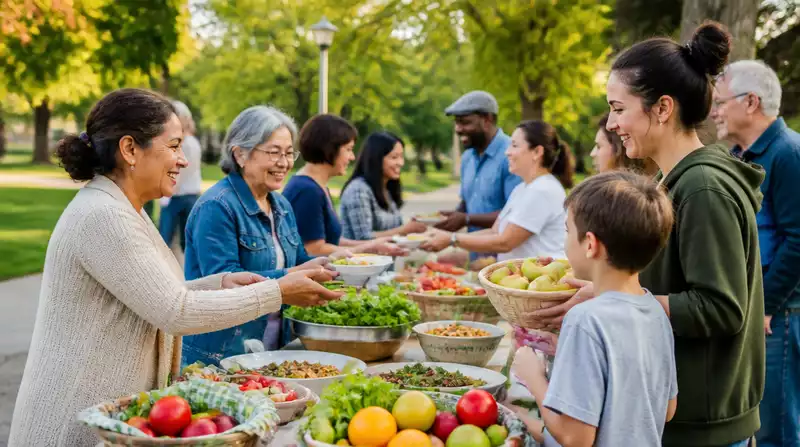
What if your community could eliminate hunger and strengthen bonds among neighbors? Community food-sharing networks offer a powerful solution, emphasizing mutual aid and collaboration. This article dives into the essentials of establishing such networks and their impact on food insecurity and community engagement.
What You Will Learn
- Community food-sharing networks promote mutual aid, helping neighbors access fresh and nutritious meals.
- These initiatives play a crucial role in addressing food insecurity by pooling resources and creating a support system.
- Food sovereignty and justice are essential principles that ensure equitable access to food within shared networks.
- Defining your purpose, selecting a model, and engaging volunteers are key steps in establishing a successful food-sharing network.
- Community engagement is vital; hosting workshops and utilizing social media can inspire participation and support.
- Valuable resources such as local nonprofits, online courses, and books can aid your journey in creating a food-sharing network.
- Take action by discussing ideas with your community and exploring ways to initiate food-sharing initiatives.
Key Steps for Establishing a Community Food-Sharing Network
Understanding the foundational elements of a successful community food-sharing network is crucial for fostering sustainability and mutual support. For more tips on living sustainably, explore our resources on sustainable tips for suburban living.
Define Your Purpose
Clearly outline the objectives and goals of your network. What does your community need?
Select a Model
Research different food-sharing models, such as community fridges or host-site pantries, and choose the one that fits your community best.
Engage Volunteers
Attract dedicated volunteers who share your vision and can help with the day-to-day operations.
Set Up Distribution Points
Identify accessible locations for food sharing that will serve as hubs for the community.
Incorporate Urban Agriculture
Consider creating community gardens to enhance food production and sharing.
Understanding the Community Food-Sharing Network
Defining Community Food Sharing Initiatives
Community food-sharing networks are all about neighbors helping neighbors! They focus on sharing food resources to ensure everyone has access to fresh and nutritious meals. These initiatives serve as a powerful example of mutual aid, where community members come together to support one another, especially in times of need.
At Greener Suburbs, we recognize the importance of these networks as they create a deeper sense of connection among residents. By sharing food, we not only reduce waste but also foster a caring atmosphere that strengthens our community ties. Can you imagine the joy of swapping vegetables with your neighbor from next door? It’s a simple yet impactful way to nurture relationships! Learn more about joining our eco-friendly cleanup efforts to further strengthen community bonds.
The Role of Food Sharing in Addressing Food Insecurity
Food insecurity affects many families in our neighborhoods, and community food-sharing networks play a crucial role in alleviating this issue. By pooling resources and sharing food, these networks help ensure everyone has access to the nourishment they need. This collaborative effort promotes access to resources that might otherwise be unavailable to some residents.
When we come together to share food, we not only help individuals and families but also create a ripple effect. This fosters a culture of support and understanding, encouraging others to get involved in local initiatives. Imagine a community where no one goes hungry, and everyone feels empowered to share what they have! That’s the vision we can work towards.
Food Sovereignty and Justice in Food Sharing
Food sovereignty and food justice are vital concepts in community food-sharing initiatives. Food sovereignty refers to the right of communities to control their own food systems, while food justice emphasizes equitable access to nutritious food. When we engage in food-sharing, we advocate for these principles, creating a more just and equitable food system. Discover more ways to contribute to a sustainable environment by exploring suburban strategies for smart waste reduction.
By participating in these networks, we can ensure that everyone has a voice in how food is produced, shared, and consumed. This lays the groundwork for a healthier community—one that is not only sustainable but also inclusive. Together, we can challenge the existing food systems and work toward a future where everyone enjoys their rightful access to healthy food!
Pro Tip
To enhance the effectiveness of your community food-sharing network, consider incorporating seasonal themes into your initiatives. For example, hosting a "Harvest Festival" in the fall can encourage participation while celebrating local produce. Engaging the community with themed events not only raises awareness but also makes food-sharing more enjoyable and memorable!
Frequently Asked Questions About Community Food-Sharing Networks
What is a community food-sharing network?
A community food-sharing network is an initiative where neighbors come together to share food resources, ensuring everyone has access to fresh and nutritious meals. It emphasizes mutual aid and collaboration, strengthening community bonds.
How do food-sharing networks address food insecurity?
By pooling resources and sharing food, these networks help alleviate food insecurity by making nourishment accessible to individuals and families who might otherwise struggle to obtain it. They create a supportive system that promotes access to vital resources.
What are food sovereignty and food justice?
Food sovereignty is the right of communities to control their own food systems, including how food is produced, distributed, and consumed. Food justice emphasizes equitable access to nutritious food for all, addressing systemic inequalities in the food system. Both principles are crucial for fair and sustainable food sharing.
What are the key steps to establishing a successful food-sharing network?
Key steps include defining your network's purpose, selecting a suitable model (like community fridges), engaging dedicated volunteers, setting up accessible distribution points, and considering urban agriculture to enhance food production.
How can communities encourage participation in food-sharing initiatives?
Effective strategies include hosting informative workshops, utilizing social media to spread awareness, creating partnerships with local businesses and organizations, and celebrating volunteer contributions and milestones to maintain motivation and engagement.
Summarizing the Importance of Community Food-Sharing Networks
Community food-sharing networks play a vital role in bringing people together to combat food insecurity and promote sustainability. By creating a support system focused on mutual aid, these initiatives not only provide access to food but also foster a sense of community. As we recap the key steps for establishing and maintaining such networks, it's crucial to remember that each step contributes to a larger mission of cultivating a healthier, more connected suburban environment.
One of the most important aspects of these networks is the collaborative spirit they inspire. When neighbors come together to share resources, they promote inclusivity and understanding. By focusing on community needs and resources, we can build a network that feels welcoming and effective for everyone involved. Consider starting your own community garden today to further enhance local food sharing.
Reviewing Key Steps for Success
To effectively establish a community food-sharing network, consider these essential steps:
- Define Your Purpose: Clearly outline the objectives and goals of your network. What does your community need?
- Select a Model: Research different food-sharing models, such as community fridges or host-site pantries, and choose the one that fits your community best.
- Engage Volunteers: Attract dedicated volunteers who share your vision and can help with the day-to-day operations.
- Set Up Distribution Points: Identify accessible locations for food sharing that will serve as hubs for the community.
- Incorporate Urban Agriculture: Consider creating community gardens to enhance food production and sharing.
By following these steps, you can lay a strong foundation for your food-sharing network and contribute to a greater cause. The journey may seem daunting, but remember that each small action can make a big difference!
Encouraging Community Participation and Support
Building a successful food-sharing network relies heavily on community engagement. It's not just about providing food; it's about inviting everyone to be part of the solution. I encourage you to reach out to your neighbors, friends, and local organizations to spread the word about your initiatives. Here are some effective ways to inspire participation:
- Host Informative Workshops: Organize events to educate your community about food-sharing and its benefits.
- Utilize Social Media: Share your journey online to attract attention and gather support.
- Create Local Partnerships: Collaborate with local businesses, schools, and organizations to amplify your message.
- Celebrate Successes: Recognize contributions from volunteers and celebrate milestones to keep motivation high.
Remember, the more we engage our community, the more vibrant our food-sharing network will become. Let's work together to spread the word and make food-sharing a staple in our suburban lives!
Next Steps and Getting Involved
Resources for Continued Learning and Engagement
As you embark on your journey to create a community food-sharing network, there are valuable resources available to help you along the way. I recommend checking out the following:
- Local Nonprofits: Connect with organizations that focus on food security and can offer guidance.
- Online Courses: Explore platforms offering courses on community organizing and food systems.
- Books and Guides: Look for literature on food justice and sustainable practices to deepen your understanding.
- Networking Events: Attend local meetings or conferences related to food-sharing and sustainability.
These resources can equip you with the knowledge and connections needed to sustain your efforts. When we educate ourselves, we empower our communities.
Call to Action: Start Your Food Sharing Journey Today
Are you ready to make a difference in your community? It’s time to take action! Start by gathering your friends, family, and neighbors to discuss the possibilities of creating a food-sharing network. Whether it’s hosting a community meal or establishing a community fridge, every step counts. Together, we can transform our suburban spaces into thriving environments where everyone has access to nutritious food.
Remember, Greener Suburbs is here to support you in this journey. Let’s cultivate a sense of community and sustainability, one shared meal at a time. What will you do first? Share your ideas with us, and let’s make it happen! For additional inspiration, check out how you can get kids involved in eco-projects in your neighborhood.
Recap of Key Points
Here is a quick recap of the important points discussed in the article:
- Community food-sharing networks foster mutual aid and strengthen community ties by allowing neighbors to share food resources.
- These initiatives play a crucial role in addressing food insecurity, ensuring access to nutritious meals for everyone in the community.
- Food sovereignty and justice are fundamental principles, advocating for equitable access to food and empowering communities to control their own food systems.
- Establishing a successful food-sharing network involves defining your purpose, selecting a model, engaging volunteers, setting up distribution points, and incorporating urban agriculture.
- Community engagement is essential; hosting workshops, utilizing social media, and creating partnerships can inspire participation and support.
- Utilize available resources such as local nonprofits, online courses, and networking events to continue learning and enhance your food-sharing efforts.

Clara Jennings
Clara Jennings is an environmental advocate and community organizer dedicated to promoting sustainable practices in suburban living. With a background in environmental science and years of experience in community engagement, Clara works passionately to inspire neighborhoods to embrace eco-friendly initiatives that enhance their surroundings and foster a sense of community.
Popular Posts
Build Your Community Food Network
![Build Your Community Food Network]() What if your community could eliminate hunger and strengthen bonds among neighbors? Community food-s
What if your community could eliminate hunger and strengthen bonds among neighbors? Community food-s
 What if your community could eliminate hunger and strengthen bonds among neighbors? Community food-s
Low-Waste Weekly Shopping Tips
![Low-Waste Weekly Shopping Tips]() Have you ever considered how the simple act of shopping can significantly impact our environment? Ad
Have you ever considered how the simple act of shopping can significantly impact our environment? Ad
 Have you ever considered how the simple act of shopping can significantly impact our environment? Ad
Create Habitats with Local Volunteers
![Create Habitats with Local Volunteers]() Did you know that approximately one-third of the food we consume relies on pollinators like birds an
Did you know that approximately one-third of the food we consume relies on pollinators like birds an
 Did you know that approximately one-third of the food we consume relies on pollinators like birds an
Organize Your Neighbourhood Tree Planting
![Organize Your Neighbourhood Tree Planting]() Consider this: a single tree can absorb over 48 pounds of carbon dioxide each year, significantly c
Consider this: a single tree can absorb over 48 pounds of carbon dioxide each year, significantly c
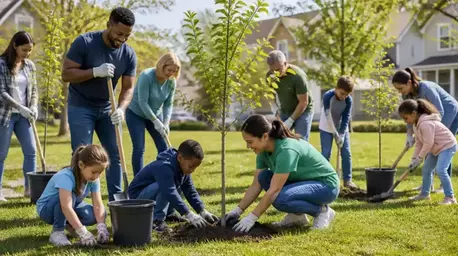 Consider this: a single tree can absorb over 48 pounds of carbon dioxide each year, significantly c
