Understanding Nature
Enhances children's understanding of nature and ecosystems.
What if engaging your children in eco-projects could not only enrich their lives but also shape the future of our planet? By actively participating in sustainability efforts, our little ones can grow into passionate advocates for change. Here’s how to make that happen!
Involving children in local eco-projects offers vital benefits that shape their understanding of sustainability. Below are key areas illustrating the various advantages:
Enhances children's understanding of nature and ecosystems.
Encourages physical activity and outdoor play.
Builds connections with peers and the community.
Teaches essential life skills such as teamwork and problem-solving.
Getting kids involved in local eco-projects isn’t just about planting trees or picking up trash; it’s about *instilling a sense of responsibility* for our planet. When children participate in activities that promote environmental stewardship, they develop a deeper understanding of sustainability and its importance. At Greener Suburbs, I’ve seen firsthand how engaging kids in such initiatives can foster an *eco-conscious mindset* that lasts a lifetime! For more ways to contribute, consider exploring eco-friendly cleanup efforts in your area.
Involving children in eco-friendly activities offers numerous benefits that go beyond just environmental impact. Firstly, it teaches them essential life skills such as teamwork, problem-solving, and creativity. Additionally, these activities can spark *a passion for the environment* that transforms them into future advocates for sustainability. So, why not start early? After all, the younger we begin, the more profound the impact can be!
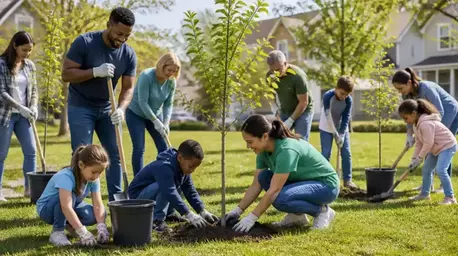
Local eco-projects serve as the perfect platforms for kids to learn about their surroundings and the environment. Whether it's community cleanups or tree-planting events, these projects provide hands-on experiences that teach children about *biodiversity*, conservation, and their role in protecting our planet. The more they engage, the more they realize that their efforts can lead to real change! Participating in community cleanups can enhance suburban life and provide valuable lessons.
Parents can also play a crucial role by seeking out these opportunities and participating together as a family. It's inspiring for children to watch their parents take action, making it clear that *caring for the environment* is a shared responsibility. This involvement can create lasting memories and bonds that go beyond just the projects themselves!
Here's a brief recap of the key points discussed so far:
As parents and guardians, we have a unique opportunity to mold the minds and habits of our children. By inspiring them to engage in eco-friendly practices, we create a ripple effect that can lead to a brighter, greener future. At Greener Suburbs, we believe that fostering a culture of sustainability at home is essential for passing on environmental consciousness to our kids!
So, how can we make sustainability a part of our daily lives? Start by incorporating simple practices that include the entire family. Celebrate small wins—like reducing waste or recycling—by turning them into fun family challenges! Remember, the more we involve our children, the more likely they are to embrace these values as they grow.
Creating a sustainable household doesn’t have to be a daunting task! Here are some effective strategies to help nurture eco-friendly habits in your family:
These activities not only teach responsibility but also empower children to make choices that reflect their values. When kids see their actions positively impacting the environment, they are more likely to carry those lessons into adulthood! For more detailed guidance, explore sustainable tips for suburban living.
It’s essential to ensure that all children, regardless of their abilities or backgrounds, can participate in eco-friendly activities. Creating a supportive and inclusive environment helps kids appreciate the importance of sustainability while building camaraderie. Here are some ideas to get everyone involved:
Every small step counts, and when we embrace diversity in our eco-projects, we enrich the experience for everyone!
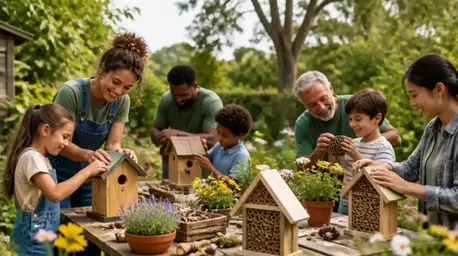
One of the most rewarding initiatives you can take on is starting a school garden program or an eco-club! These projects connect kids with nature and their peers while instilling a sense of community. Plus, they offer a fantastic way to teach valuable lessons about growing food and sustainability.
Getting started is easy! You can:
When children see the fruits of their labor, it cultivates pride and responsibility!
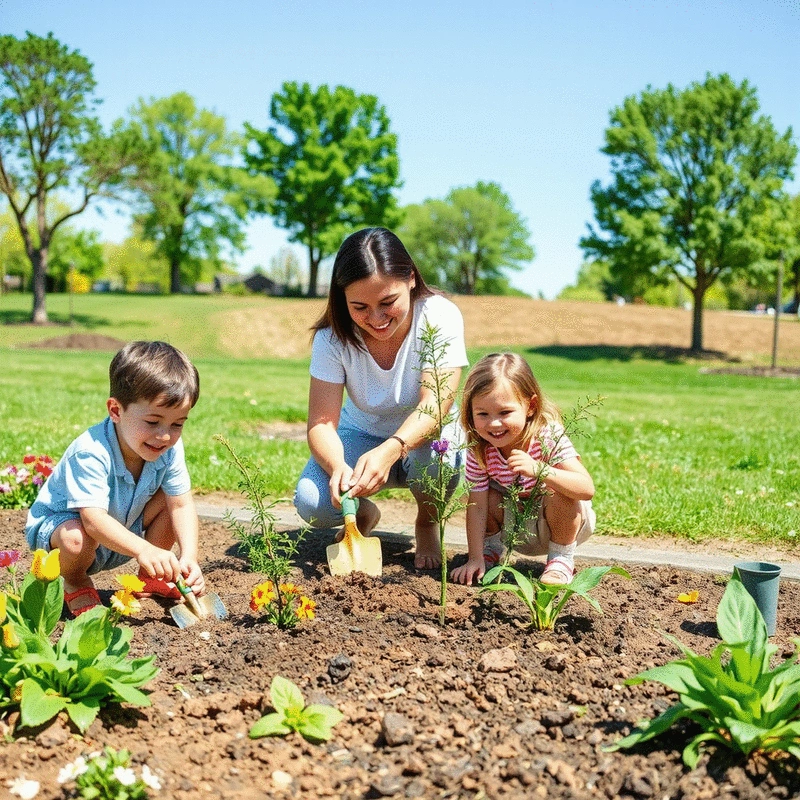
Nature walks are a fantastic way to explore local ecosystems while learning about the environment! These outings don’t have to be elaborate—just a simple stroll in a nearby park can open up a world of discovery. Encourage children to observe wildlife, identify plants, and discuss their importance.
Additionally, integrating outdoor education into your family's routine can make a huge difference. Consider:
These experiences help children form a deeper connection to nature, motivating them to protect our planet! To further enhance your commitment, learn about suburban strategies for smart waste reduction.
Here are some common questions about engaging children in eco-projects and fostering sustainability:
As we wrap up our thoughts on inspiring future generations, it’s clear that engaging children in eco-friendly activities is vital for their development and the health of our planet. But how can we take the next step together? Let’s dive into local eco-communities!
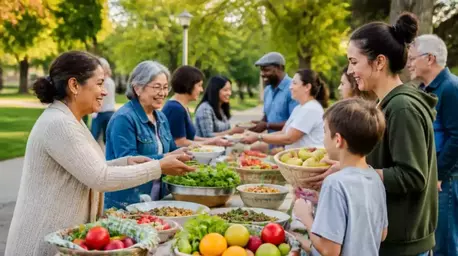
There are countless ways to get involved in your community! Websites like Eventbrite can help you discover local events focused on sustainability. You can:
When we work together, we amplify our impact!
Sharing your family’s eco-project experiences can inspire others to join the journey! Whether it's through social media or community groups, your stories can motivate others to take action. Here are some ideas to get started:
Your voice can be a powerful tool for positive change!
One of the best ways to engage your family in environmental initiatives is by joining local conservation groups. These organizations often host events focused on protecting wildlife and preserving natural habitats. When your family participates, they gain hands-on experience while fostering a love for our planet!
To get connected, consider:
By becoming active members of local eco-communities, we can inspire each other and build a sustainable future together! Let’s make our suburbs greener—together! For more information on creating vibrant green spaces, read about building green spaces together.
Here is a quick recap of the important points discussed in the article:
Clara Jennings is an environmental advocate and community organizer dedicated to promoting sustainable practices in suburban living. With a background in environmental science and years of experience in community engagement, Clara works passionately to inspire neighborhoods to embrace eco-friendly initiatives that enhance their surroundings and foster a sense of community.