Eco-Friendly Living in Suburbs
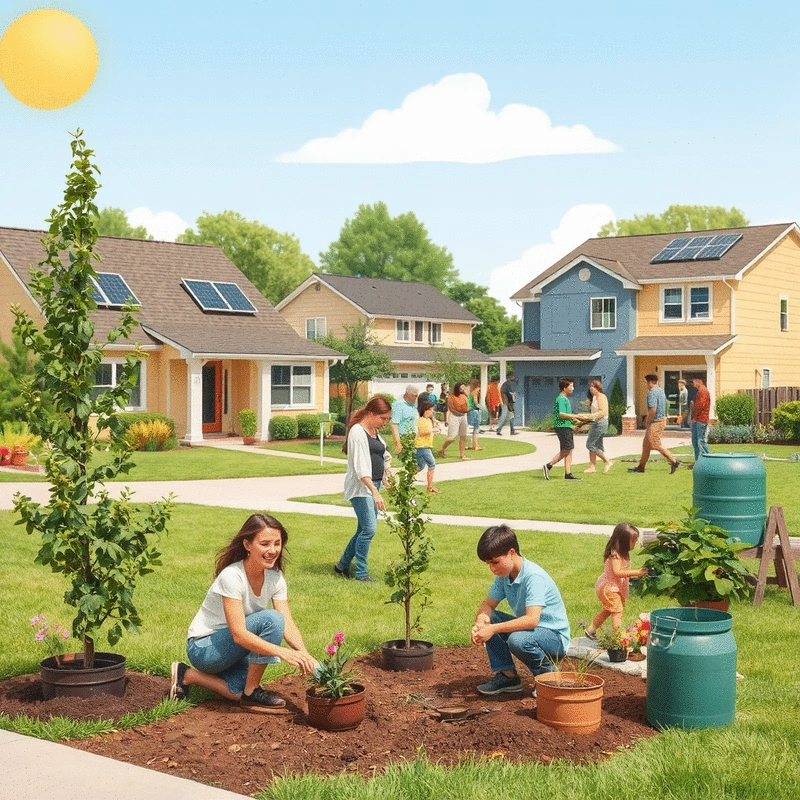
In a world increasingly attuned to environmental issues, the choices we make in our suburban lives can create a ripple effect that enhances both our community and the planet. What if every resident took small steps towards sustainability? The impact could be transformative!
What You Will Learn
- Understanding eco-friendly living involves adopting practices that protect the environment while enhancing community well-being.
- Key sustainable practices include reducing waste, using energy-efficient appliances, and choosing native plants for landscaping.
- Sustainability improves quality of life through cleaner air and water, increased green spaces, and cost savings for communities.
- Sharing success stories and testimonials from residents fosters a sense of community and encourages others to get involved.
- Incentivizing participation through challenges, discounts, and rewards can significantly boost community engagement in sustainability efforts.
- Promoting sustainable practices among local businesses helps create a supportive ecosystem for eco-conscious consumer choices.
- Collaboration with environmental advocacy groups amplifies efforts to promote sustainability through joint events and campaigns.
Impact of Eco-Friendly Practices in Suburban Areas
Explore the significant benefits of adopting eco-friendly practices in our suburban communities.
Cleaner Air and Water
Leads to healthier families, reducing respiratory issues and promoting overall well-being.
Green Spaces
Encourage outdoor activities and strengthen community bonds through shared spaces.
Waste Reduction
Helps save money and resources, benefiting the community economically.
Cultural Inspiration
Inspires future generations to care for the planet and embrace sustainability.
Understanding Eco-Friendly Suburban Practices
In today's world, the term eco-friendly often gets tossed around, especially when we think about our suburban lifestyles. But what does it really mean? At its core, being eco-friendly refers to practices that do not harm the environment. When we talk about sustainable approaches, we're referring to methods that not only meet our needs today but also ensure that future generations can thrive in a healthy ecosystem. To learn more about how to live sustainably in the suburbs, check out our guide on sustainable tips for suburban living.
Imagine walking through your neighborhood and seeing vibrant gardens, clean parks, and families working together to keep their surroundings beautiful. This is the essence of eco-friendly suburban living! It’s not just about the individual choices we make, but how those choices ripple out into our communities. By adopting sustainable practices, we can create a supportive network that enhances our quality of life and fosters a strong sense of community.
Defining Eco-Friendly and Sustainable Approaches
Eco-friendly practices can include a wide range of actions, and each of us can play a part! Here are some key approaches that define eco-friendly and sustainable living:
- Reducing waste by embracing recycling and composting.
- Utilizing energy-efficient appliances to lower energy consumption.
- Choosing native plants in landscaping to support local ecosystems.
- Encouraging the use of public transport or carpooling to minimize carbon footprints.
When we adopt these practices, we’re not just making individual changes; we’re sending a message to our neighbors that caring for the environment is a community priority. In my experience with Greener Suburbs, I've seen how these actions can lead to a greater impact when we come together! For practical tips on suburban strategies for smart waste, visit our blog.
Importance of Sustainability in Suburban Areas
Why should we prioritize sustainability in our suburban neighborhoods? The answer is simple: it enhances our quality of life! When we focus on sustainable practices, we not only protect our environment but also improve our health and well-being. Here’s why it matters:
- Cleaner air and water lead to healthier families.
- Green spaces encourage outdoor activities and community bonding.
- Reducing waste helps save money and resources for our communities.
- Building a culture of sustainability can inspire future generations to care for our planet.
At Greener Suburbs, we believe that every effort counts! By fostering sustainability in our neighborhoods, we’re building a stronger, more resilient community that values the beauty of our environment and the connections we share. So, what can we do together to make our suburbs greener? Let's dive in and explore practical strategies that get everyone involved!
Quick Summary
Here's a brief recap of the key points discussed so far:
- Eco-friendly practices promote a sustainable lifestyle that benefits both individuals and communities.
- Engaging in sustainable practices enhances our quality of life by improving health, reducing waste, and fostering community bonds.
- Sharing testimonials and success stories from residents can inspire participation and create a supportive network of eco-conscious individuals.
Encouraging Participation in Eco-Friendly Suburban Practices
Encouraging engagement in eco-friendly practices isn't just about sharing information; it's about creating a movement! At Greener Suburbs, we believe that when residents feel connected to their community, they’re more likely to participate in initiatives that promote sustainability. One effective way to foster this sense of belonging is by sharing testimonials and success stories from fellow residents who have embraced green living.
When people hear about the positive changes their neighbors have made, such as starting a compost pile or organizing a community garden, it inspires them to take similar steps. Sharing these narratives can be done through newsletters, social media posts, or community boards. It’s all about building a network of support and enthusiasm that encourages everyone to take part!
Creating Testimonials and Success Stories from Residents
To truly capture the heart of our community's eco-friendly efforts, we can create a platform for sharing personal stories. This could include:
- Before-and-after photos of gardens transformed by composting or native plant landscaping.
- Written testimonies about how adopting sustainable practices has made life better for individuals and families.
- Short video clips showcasing residents discussing their favorite eco-friendly projects.
These stories not only celebrate individual efforts but also show how collective action can lead to meaningful change. By highlighting these successes, we inspire others to envision what they can achieve in their own neighborhoods! For more ideas on how to engage residents, read about engaging residents in green initiatives.
Incentives and Programs to Motivate Community Engagement
What if we could sweeten the deal a bit? Offering incentives can be a fantastic way to motivate community members to join in. Consider implementing programs such as:
- A neighborhood challenge where participants earn rewards for completing sustainable tasks, like reducing waste or participating in cleanups.
- Discounts at local businesses for residents who show proof of eco-friendly actions, such as recycling or composting.
- Monthly raffles for residents who engage in community gardening or other green initiatives, with prizes donated by local merchants.
These types of incentives not only encourage participation, but they also give everyone a chance to feel accomplished and recognized for their efforts. It’s about celebrating the small wins that contribute to a larger goal of sustainability!
Promoting Sustainable Business Practices in Local Markets
Local businesses play a crucial role in our journey toward sustainability. By promoting sustainable practices within our markets, we can create a ripple effect of eco-conscious choices. Some ways to encourage local businesses include:
- Hosting “green business” fairs where eco-friendly local businesses can showcase their products and services.
- Creating a directory of businesses committed to sustainability, making it easier for residents to shop consciously.
- Encouraging business owners to adopt sustainable practices, like reducing packaging waste or sourcing local materials.
When we support businesses that align with our eco-friendly values, we help build a community that thrives on responsibility and care for the environment!
Collaboration with Environmental Advocacy Groups
Another powerful strategy is to form partnerships with local environmental advocacy groups. By working together, we can amplify our impact! Collaborating can take many shapes, such as:
- Co-hosting events focused on sustainability education, like tree-planting days or recycling drives.
- Participating in local campaigns that promote environmental awareness, such as Earth Day celebrations.
- Sharing resources and information about eco-friendly practices to strengthen community involvement.
These collaborations not only enhance our efforts at Greener Suburbs but also unite residents with a common purpose and vision for a greener future. Together, we can achieve remarkable things! Consider joining our eco-friendly cleanup efforts to make a direct impact in your neighborhood.
Frequently Asked Questions About Eco-Friendly Suburban Living
Here are some common questions about adopting sustainable practices in suburban communities:
- What does "eco-friendly" mean in a suburban context?
- In a suburban context, "eco-friendly" refers to practices that minimize harm to the environment. This includes actions like reducing waste, conserving energy, using native plants, and supporting sustainable local businesses to create a healthier, more sustainable community.
- How can individual actions make a difference in suburban sustainability?
- Individual actions, such as recycling, composting, using energy-efficient appliances, and choosing sustainable transportation, create a ripple effect. When many individuals adopt these practices, it builds a supportive network that enhances overall community quality of life and fosters a strong sense of environmental responsibility.
- What are some effective ways to encourage community participation in eco-friendly initiatives?
- Effective methods include sharing testimonials and success stories from residents, offering incentives (e.g., neighborhood challenges, discounts at local businesses), and promoting sustainable business practices in local markets. Collaborating with environmental advocacy groups also amplifies efforts and strengthens community involvement.
- Why is sustainability important for suburban areas?
- Sustainability enhances the quality of life in suburban areas by leading to cleaner air and water, healthier families, and increased green spaces for outdoor activities. It also helps reduce waste, saves resources, and inspires future generations to care for the planet, building a stronger, more resilient community.
- How can local businesses contribute to suburban sustainability?
- Local businesses can contribute by adopting sustainable practices themselves (e.g., reducing packaging, sourcing local materials) and by participating in "green business" fairs. Promoting businesses committed to sustainability through directories helps residents make eco-conscious choices, creating a supportive ecosystem for greener living.
Recap of Key Points
Here’s a quick recap of the important points discussed in the article:
- Embrace eco-friendly practices such as recycling, composting, and using energy-efficient appliances.
- Prioritize sustainability to improve quality of life through cleaner air, green spaces, and reduced waste.
- Encourage community participation by sharing testimonials and success stories from residents.
- Implement incentives like neighborhood challenges and local business discounts to motivate engagement.
- Support local businesses that adopt sustainable practices to create a responsible community.
- Collaborate with environmental advocacy groups to amplify efforts and strengthen community involvement.

Clara Jennings
Clara Jennings is an environmental advocate and community organizer dedicated to promoting sustainable practices in suburban living. With a background in environmental science and years of experience in community engagement, Clara works passionately to inspire neighborhoods to embrace eco-friendly initiatives that enhance their surroundings and foster a sense of community.
Popular Posts
Build Your Community Food Network
![Build Your Community Food Network]() What if your community could eliminate hunger and strengthen bonds among neighbors? Community food-s
What if your community could eliminate hunger and strengthen bonds among neighbors? Community food-s
 What if your community could eliminate hunger and strengthen bonds among neighbors? Community food-s
Low-Waste Weekly Shopping Tips
![Low-Waste Weekly Shopping Tips]() Have you ever considered how the simple act of shopping can significantly impact our environment? Ad
Have you ever considered how the simple act of shopping can significantly impact our environment? Ad
 Have you ever considered how the simple act of shopping can significantly impact our environment? Ad
Create Habitats with Local Volunteers
![Create Habitats with Local Volunteers]() Did you know that approximately one-third of the food we consume relies on pollinators like birds an
Did you know that approximately one-third of the food we consume relies on pollinators like birds an
 Did you know that approximately one-third of the food we consume relies on pollinators like birds an
Organize Your Neighbourhood Tree Planting
![Organize Your Neighbourhood Tree Planting]() Consider this: a single tree can absorb over 48 pounds of carbon dioxide each year, significantly c
Consider this: a single tree can absorb over 48 pounds of carbon dioxide each year, significantly c
 Consider this: a single tree can absorb over 48 pounds of carbon dioxide each year, significantly c
