Enhanced Awareness
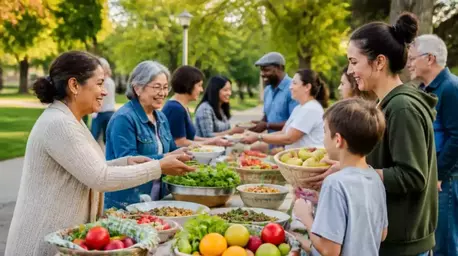
Residents become more informed about environmental issues, leading to more proactive community involvement.
As global concerns about environmental sustainability grow, communities must unite to tackle these challenges. The power of collective action can lead to significant improvements in our neighborhoods. How can we foster such unity?
Engaging residents in environmental initiatives leads to numerous advantages that enhance both community spirit and sustainability efforts. Below are some key benefits illustrated visually.
Residents become more informed about environmental issues, leading to more proactive community involvement.
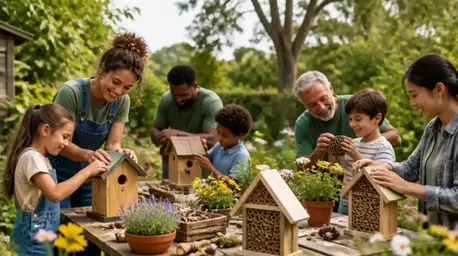
Working together promotes camaraderie and fosters friendships among residents.
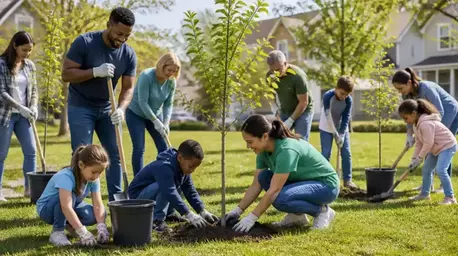
Groups can tackle larger projects and make significant changes in their local environment.
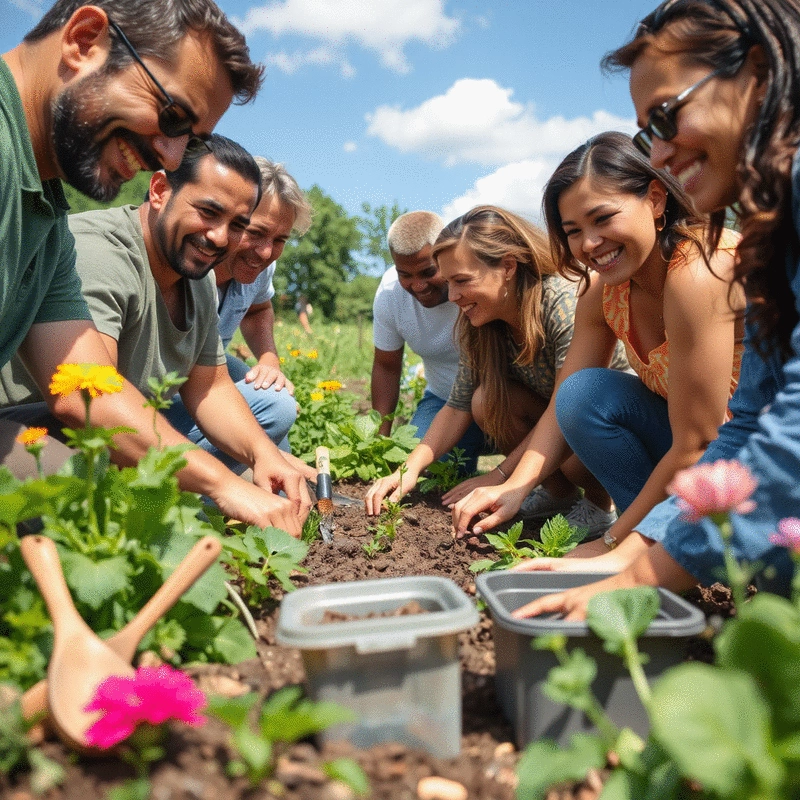
Engaged residents can advocate for policies that prioritize sustainability in their communities.
Engaging residents in environmental initiatives is essential for creating sustainable suburban communities. At Greener Suburbs, we believe that when people come together, they can achieve remarkable things! This teamwork fosters a sense of ownership and responsibility that drives positive change in our neighborhoods. Learn more about joining our eco-friendly cleanup efforts.
But what exactly is environmental engagement? It's about actively involving community members in sustainability efforts, which can lead to a variety of benefits. From improving local environments to enhancing community bonds, the impact of engagement is truly profound!
Environmental engagement is more than just participation; it’s about creating connections and inspiring action among residents. When folks understand their role in sustainability, they are more likely to take part in initiatives that help protect our planet.
The benefits of community involvement stretch far and wide. Here are some key advantages:
Community involvement is the heartbeat of sustainability! At Greener Suburbs, we see how local residents can come together to create lasting change. When everyone contributes, projects become more impactful, and we witness a shift towards a greener future. Discover more about sustainable tips for suburban living.
Moreover, this collective effort encourages individuals to adopt *eco-friendly habits*, which can lead to a more sustainable lifestyle for all. Imagine your neighborhood transforming into a clean and vibrant space, all because of the power of community!
When residents are engaged, their voices can influence local environmental policies. By sharing ideas and concerns, community members help shape decisions that affect our surroundings. This participatory approach strengthens democracy and ensures that policies reflect the values of the people they serve.
Additionally, engaged residents can advocate for policies that prioritize sustainability. They can push for initiatives like waste reduction programs and enhanced recycling efforts, leading to cleaner and greener suburban environments!
But how do we foster this engagement? Local governments and nonprofit organizations play vital roles in this process. Together, they can create programs that encourage residents to participate in sustainability efforts.
Through engaging events and hands-on initiatives, we can motivate community members to take action. With the right tools and support, anyone can be a champion for the environment!
Local governments can serve as catalysts for community involvement. By organizing events, providing resources, and communicating effectively, they can inspire residents to take part in sustainability initiatives. Here are a few ways they can promote engagement:
Nonprofit organizations have a unique ability to connect with communities and drive engagement. At Greener Suburbs, we actively work to bring people together for impactful environmental projects. We can organize cleanups, recycling drives, and beautification efforts that truly resonate with residents. Find out more about smart waste reduction strategies for suburbs.
Here’s how nonprofits can make a difference:
Here's a brief recap of the key points discussed so far:
Creating a lasting impact in our neighborhoods is all about keeping the momentum going. At Greener Suburbs, we understand that community involvement doesn't just happen overnight; it's a continuous journey. This is why developing strong community leadership is essential to maintain that spark of enthusiasm for environmental sustainability!
By encouraging resident-led initiatives, we empower individuals to take charge of their surroundings. This could be anything from organizing regular cleanups to starting new eco-friendly projects. Imagine your neighbor stepping up to lead a community garden or a local recycling program! These initiatives foster a sense of ownership and pride, making everyone feel more connected to their environment.
When residents take the reins, incredible things can happen! It's important to create an environment where everyone feels comfortable sharing their thoughts and taking action. We at Greener Suburbs actively promote this by providing resources and support for resident-led initiatives. We believe that everyone has a unique passion that can contribute to our community's sustainability goals.
Setting up feedback mechanisms is a wonderful way to keep the conversation going. By allowing residents to voice their opinions and suggestions, we create a cycle of ongoing participation. Plus, it helps to identify what’s working and what might need a bit more attention.
Feedback is a crucial part of fostering engagement. It helps us understand the community's needs and desires. At Greener Suburbs, we encourage open channels of communication, so everyone feels heard. When residents know that their voices matter, they’re more likely to stay involved long-term!
Remember, it’s not just about gathering feedback; it’s also about acting upon it! Acknowledging community input and showing how it shapes future initiatives fosters trust. This trust is vital for sustaining involvement, as people see their contributions leading to real changes.
Involving the youth in environmental initiatives is vital for creating a sustainable future! By promoting youth activism, we cultivate the next generation of environmental stewards. Imagine high school students organizing their own awareness campaigns or younger kids planting trees in the local park.
Intergenerational programs can also enrich our community’s experience. By pairing younger residents with older, experienced community members, we create a dynamic learning environment. They can share knowledge, skills, and stories, ultimately strengthening community bonds.
Environmental engagement involves actively involving community members in sustainability efforts to drive positive change, foster a sense of ownership, and improve local environments.
Key benefits include enhanced awareness of environmental issues, stronger community bonds, the ability to undertake larger collective actions, and influence on local environmental policies.
Local governments can promote engagement by hosting community meetings, providing grants for local projects, and partnering with organizations like Greener Suburbs to enhance outreach efforts.
Promoting youth activism cultivates the next generation of environmental stewards, ensuring a sustainable future by involving younger residents in awareness campaigns and hands-on projects.
Start by identifying key environmental issues, gathering a group of enthusiastic residents, creating a clear action plan with achievable goals, and promoting your initiative through social media and community events.
As we consider long-term strategies, it’s inspiring to look at success stories from other communities! Learning from their experiences can guide us in our own endeavors at Greener Suburbs. Each story provides valuable insights that can help us understand what works and what doesn’t.
For instance, communities that have successfully implemented resident-led sustainability projects often report positive outcomes. These stories serve as a source of motivation, encouraging us to innovate and adopt best practices for our own initiatives.
It’s important to measure our impact to see how far we’ve come! By gathering data on participation rates, recycling volumes, and community satisfaction, we can assess the effectiveness of our initiatives. At Greener Suburbs, we strive to celebrate our achievements and learn from our experiences!
Successful environmental initiatives often showcase quantifiable outcomes such as increased recycling rates or reduced waste levels. These metrics help us gauge success and adjust our strategies for future projects. They also serve as evidence of our community’s commitment to sustainability, making it easier to attract new residents and partners.
Looking at case studies from successful communities can offer fresh perspectives! These stories highlight innovative approaches to engagement and sustainability that we can adapt for Greener Suburbs. For example, some neighborhoods have started community composting programs that greatly reduce waste while enriching local soil. Learn more about suburban strategies for smart waste.
By sharing these case studies through newsletters or community meetings, we can inspire residents to become more involved. They can see what others have accomplished and get excited about bringing similar projects to our community.
Every successful project teaches us something new! It’s important to analyze what worked well and what could be improved. At Greener Suburbs, we love the idea of holding debrief meetings after each initiative. This way, we can reflect as a team and gather diverse insights to refine our approach.
Best practices often emerge from these discussions and can guide our future efforts. Keeping our community engaged requires continuous learning and adaptability!
Recycling programs are a crucial part of our sustainability journey! When we analyze successful initiatives, we discover effective strategies that can be tailored to our community. For instance, neighborhoods that have embraced curbside recycling report higher participation rates when they provide clear guidelines and frequent reminders.
At Greener Suburbs, we can implement similar strategies to ensure our recycling efforts are as effective as possible. By continuously educating residents about recycling, we help create a culture of sustainability that lasts!
Are you ready to make a difference in your community? Engaging residents in environmental initiatives is an exciting journey. At Greener Suburbs, we’re here to support you every step of the way! Let’s work together to create a cleaner, greener, and more vibrant neighborhood.
Starting a community engagement initiative might seem daunting, but it can be incredibly rewarding! Here are some practical steps to get started:
A well-structured action plan is essential for guiding your initiatives! This plan should outline your goals, resources, timelines, and responsibilities. At Greener Suburbs, we’ve found that having a clear roadmap allows everyone to stay focused and motivated.
Encouraging collaboration among residents will foster a sense of community ownership, making the journey toward sustainability more enjoyable!
Getting residents excited about participating in local initiatives is key! Start by hosting an engaging kickoff event where people can learn about upcoming projects. Sharing stories of past successes can inspire others to join in and contribute.
Don’t forget to ask for input – people love to feel involved! By valuing their ideas, we create a culture of participation that keeps everyone coming back.
Volunteering is a fantastic way to get involved while having fun! At Greener Suburbs, we regularly organize eco-volunteering opportunities, from cleanup drives to tree planting events. These activities not only benefit our environment but also strengthen bonds within the community. For more ideas on how to get involved, check out our guide on starting your community green initiative.
Encourage your neighbors to join you in these events! Together, we can work towards making our suburban communities cleaner and greener, one step at a time!
Here is a quick recap of the important points discussed in the article:
Clara Jennings is an environmental advocate and community organizer dedicated to promoting sustainable practices in suburban living. With a background in environmental science and years of experience in community engagement, Clara works passionately to inspire neighborhoods to embrace eco-friendly initiatives that enhance their surroundings and foster a sense of community.