Reduce Waste Generation
Implement strategies to minimize waste production during the event.
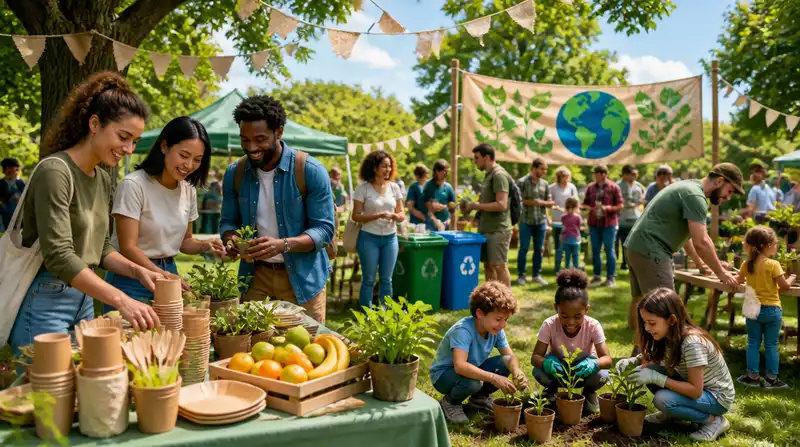
Have you ever considered how a simple gathering could pave the way for environmental change? Hosting eco-conscious community events is a powerful way to inspire sustainable living within your neighborhood. By making thoughtful choices in event planning, you can significantly reduce waste and influence others to embrace eco-friendly practices. Let’s explore how you can make a difference!
Here are the essential sustainability goals to focus on when planning an eco-conscious community event. For more detailed insights, consider our guide on suburban strategies for smart waste reduction.
Implement strategies to minimize waste production during the event.
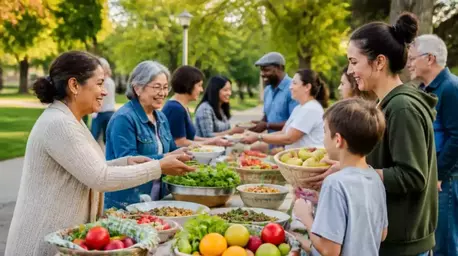
Support local farmers and reduce carbon footprint by sourcing food locally.
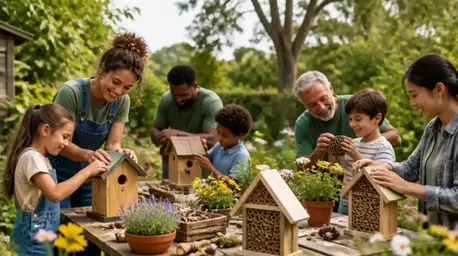
Involve community members in the planning and execution of the event.
Provide information on sustainable practices to attendees.
Evaluate the event's impact against your sustainability goals.
Have you ever thought about how community events can leave a mark on our environment? Organizing an eco-conscious gathering is not just a trend; it’s a vital step towards promoting sustainable practices in our neighborhoods. By being mindful of our choices in event planning, we can significantly reduce our ecological footprint while also inspiring our fellow residents to embrace greener habits. Together, we can weave sustainability into the fabric of our community events, making a real impact on our surroundings!
Community events often bring people together, but we must consider their environmental implications. With over 30% of waste being preventable, it’s crucial to think about how we can minimize this during our gatherings. By focusing on sustainable practices, we not only create a positive experience for attendees but also foster a culture of responsibility towards our planet. To learn more about how to make a tangible difference, explore our tips on sustainable tips for suburban living.
By hosting eco-conscious events, we also send a message to our community about the importance of sustainability. Every small step contributes to a larger movement that can inspire lasting change. Let’s take a moment to reflect on how these gatherings can shape our local environment and encourage a shift towards greener living.
Setting clear sustainability goals is like drawing a roadmap for your event. It helps you stay focused and ensures your efforts yield the best possible outcome. Whether it's reducing waste, sourcing local food, or engaging the community, defining your goals from the outset will guide your planning process.
When everyone involved understands the goals, it creates a sense of shared purpose. This collective effort not only enhances the event experience but also strengthens the bonds within our community. So, let’s get together and set these green goals to make our events truly memorable and impactful!
Here's a brief recap of the key points discussed so far:
Eco-conscious community events are gatherings planned with the environment in mind, aiming to minimize waste, reduce carbon footprint, and promote sustainable practices within the community.
These events help reduce environmental impact, raise awareness about sustainability, inspire community members to adopt greener habits, and foster a sense of collective responsibility towards the planet.
Key goals include reducing waste generation, sourcing local food, engaging the community in planning and execution, educating attendees about sustainable practices, and measuring the event's impact against these goals.
Strategies include conscious planning, incorporating eco-friendly materials, providing recycling and composting stations, and choosing reusable items over single-use plastics.
Local partnerships allow for shared resources, increased visibility through partner promotion, and exchange of expertise, all of which amplify the event's environmental and community impact.
As we wrap up our journey into hosting eco-conscious community events, let’s reflect on the key points we've covered. First and foremost, embracing sustainability in your event planning isn’t just a trend; it’s a necessity! By implementing eco-friendly practices, you not only reduce your carbon footprint but also inspire your neighbors to adopt greener habits.
We’ve discussed how crucial it is to establish clear sustainability goals and how selecting the right venue can set the tone for your event. Remember, small changes can lead to significant impacts, like opting for local caterers and minimizing waste through composting and recycling initiatives. Together, we can cultivate a cleaner environment!
Now it’s time to think about the future! What can you do to ensure that sustainability remains at the forefront of your community events? Consider implementing these practices:
Each of these steps can make a difference and help to foster a culture of sustainability. By leading with intention and encouraging others to join you, we can create a ripple effect of eco-friendly practices that resonates throughout our communities! For more ideas, check out how to start a community garden today.
Partnering with local organizations and vendors can greatly enhance your sustainability efforts. Not only does this support the local economy, but it also strengthens community bonds. Consider these benefits:
By working together, we can amplify our impact and create a more connected and environmentally conscious community. It’s all about leveraging the strengths of those around us! Discover more about local businesses and eco-friendly living.
Networking is essential in any endeavor, especially when it comes to hosting eco-friendly events. Building partnerships can unlock new opportunities for collaboration and innovation. Here’s how to make the most of your networking:
Networking not only enhances your own initiatives but also empowers others to join the cause. Let's champion collaboration and share our passion for a greener future!
I’d love to hear your thoughts! If you’ve hosted an eco-friendly event or have tips to share, drop a comment below or connect with us on social media. Your experiences can inspire others and contribute to a wealth of knowledge within our community! You might also be interested in how to join our eco-friendly cleanup efforts.
At Greener Suburbs, we believe that sharing stories and resources strengthens our bonds as neighbors. Together, we can foster a movement that celebrates sustainability and transforms our suburban spaces into vibrant, eco-friendly havens!
Here is a quick recap of the important points discussed in the article:
Clara Jennings is an environmental advocate and community organizer dedicated to promoting sustainable practices in suburban living. With a background in environmental science and years of experience in community engagement, Clara works passionately to inspire neighborhoods to embrace eco-friendly initiatives that enhance their surroundings and foster a sense of community.