Community Engagement
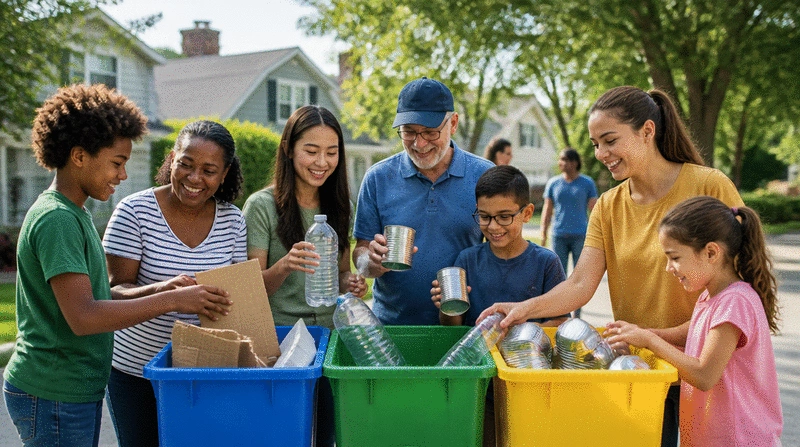
Competitions bring neighbors together, fostering connections and friendships.
What if a simple competition could bring your community together and create a cleaner environment? Organizing a neighborhood recycling competition can transform your local landscape while fostering a sense of unity and responsibility among residents. It’s time to explore the powerful benefits of recycling and how a little friendly rivalry can lead to significant environmental change!
Engaging in recycling competitions offers various advantages that contribute to community sustainability, such as increased waste diversion and stronger community bonds. For more insights on managing waste smart, check out our article on suburban strategies for smart waste.
Competitions bring neighbors together, fostering connections and friendships.
A challenge motivates people to participate and improve their recycling habits.
Residents feel proud when they contribute to a common goal!
Competitions promote understanding of recycling's impact on the planet.
Have you ever stopped to think about how much waste our neighborhoods generate? It's quite a lot! That's why organizing a neighborhood recycling competition can be a game-changer. It not only helps us reduce waste but also fosters a strong sense of community as we all work towards a common goal: a cleaner, greener environment.
At Greener Suburbs, we believe that recycling is more than just separating our trash. It's about creating a culture of sustainability within our communities. When we recycle, we reduce landfill waste, conserve natural resources, and lower greenhouse gas emissions. Each small action contributes to a larger impact that benefits everyone!
Recycling plays a crucial role in improving our local environment. It helps keep our parks and streets clean while also supporting local economies. Here are some key reasons why recycling matters:
When we come together for a neighborhood recycling competition, we not only improve our surroundings but also set an example for future generations. Can you imagine a community where everyone is actively engaged in protecting the planet? That's the vision we strive for! To learn more about how local recycling programs can benefit your community, read our article on local recycling programs and community benefits.
There are numerous benefits to organizing a recycling challenge within your neighborhood. For one, it encourages friendly competition that can motivate residents to recycle more. Some of these benefits include:
At Greener Suburbs, we've seen firsthand the joy and excitement that comes from these competitions. It’s amazing how a little bit of friendly rivalry can spark big changes in our communities!
Competitions are a fantastic way to raise environmental awareness in our neighborhoods. They help people understand the importance of recycling and its impact on the planet. Here’s how you can promote awareness through a recycling challenge:
By actively promoting environmental awareness, we create a ripple effect that encourages everyone to make more eco-friendly choices. So, let’s come together and inspire each other to make our neighborhoods cleaner and greener! For more ideas on how to engage residents, explore our tips on engaging residents in green initiatives.
Here's a brief recap of the key points discussed so far:
Here are some common questions about organizing and participating in neighborhood recycling competitions:
Once your neighborhood recycling competition has concluded, the journey doesn't have to end there! Instead, we can harness the energy and enthusiasm generated from the event to keep our community engaged. By implementing ongoing strategies, we can ensure that the spirit of recycling and sustainability continues to thrive in our suburbs. So, how can we keep this momentum alive? Let's explore some effective strategies!
One of the best ways to maintain interest in recycling is by keeping communication open and regular. This might mean sending out monthly newsletters with tips and updates, or even starting a community blog where residents can share their experiences and ideas. Creating an ongoing dialogue around recycling helps reinforce its importance and encourages everyone to stay involved. Here are some strategies to consider:
By fostering a culture of continuous learning, we empower our neighbors to make sustainable choices not just during the competition, but every day!
After the excitement of the recycling competition, it’s essential to take a moment to reflect on its impact. Understanding what worked, what didn’t, and how we can improve helps us grow as a community. One way to assess our efforts is through reporting results back to the community. It builds trust and encourages participation in future events!
Sharing the results of the competition serves multiple purposes. It not only highlights our community’s achievements but also helps residents feel part of something bigger! Consider these methods for reporting:
When we celebrate our wins together, we create a stronger bond within our neighborhoods!
Nothing inspires like a good success story! Sharing experiences from participants can motivate others to join in. Highlighting personal anecdotes from residents who made a significant impact can illustrate the positive changes that come from community efforts. Let’s encourage people to share their journeys! Here are some ideas:
At Greener Suburbs, we believe that *every little effort counts*, and by sharing these stories, we can inspire even more residents to take action! To discover more ways your community can work together for a cleaner environment, learn about joining eco-friendly cleanup efforts.
While we celebrate our achievements, it’s equally important to address any challenges that may arise. Not every recycling competition will run smoothly, and that’s okay! Issues like low participation or contamination can be addressed creatively and positively.
Sometimes, turnout may not be as high as we hope. If we notice a lack of involvement, it’s time to dig deeper. Engaging with residents to understand their barriers can help us find solutions. Here are a few strategies to boost participation:
By actively seeking feedback, we can tailor future competitions to better meet the needs of our community! For practical steps to enhance community involvement, explore strategies for starting your community green initiative.
Contamination, or the presence of non-recyclable materials, can be a significant challenge in any recycling program. It’s essential to find ways to minimize this issue for a successful recycling initiative. One effective method is to conduct trash audits, which help us identify common contamination sources and educate residents on what can be recycled.
Trash audits can provide valuable insights into our recycling habits. Here’s how to conduct one:
At Greener Suburbs, we believe that understanding our waste is the first step toward improvement, and through this awareness, we can make more informed choices moving forward!
Here is a quick recap of the important points discussed in the article:
Clara Jennings is an environmental advocate and community organizer dedicated to promoting sustainable practices in suburban living. With a background in environmental science and years of experience in community engagement, Clara works passionately to inspire neighborhoods to embrace eco-friendly initiatives that enhance their surroundings and foster a sense of community.