Water-Saving Tips for Suburbs
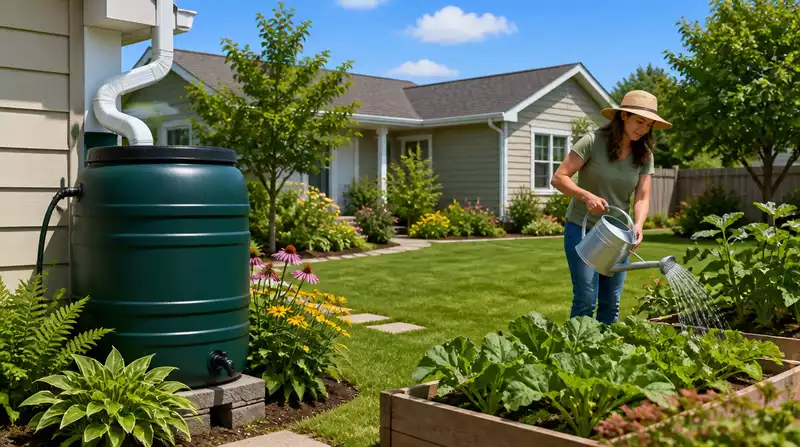
Water is more than just a necessity; it’s a precious resource that we often take for granted. As suburban communities expand, understanding the importance of water conservation is crucial for a sustainable future. How much water does your household really use? You might be surprised to find out!
What You Will Learn
- Understanding the significant impact of household water usage on local resources and ecosystems.
- The benefits of adopting water-saving habits, including reduced utility bills and a healthier environment.
- Measuring your water footprint to identify areas for improvement in water consumption.
- The power of community engagement in promoting water conservation and sharing effective strategies.
- How to start and maintain community gardens that foster collective water-saving efforts.
- Educational resources and local programs that can help enhance community awareness about water conservation.
- Simple yet effective water-saving habits that can be integrated into daily routines.
Key Water Conservation Strategies for Suburban Households
Here are effective strategies to promote water-saving habits that benefit both your household and the community. For more comprehensive tips on sustainable living, explore our guide on sustainable tips for suburban living.
Adopt Water-Saving Habits
Simple actions like turning off the tap while brushing teeth and fixing leaks can significantly reduce water usage.
Engage in Community Initiatives
Participate in local workshops and clean-up events to foster collaboration and encourage sustainable practices.
Utilize Water-Efficient Appliances
Ensure your appliances are water-efficient to help reduce overall household water usage.
Participate in Community Gardens
Grow native and drought-resistant plants while fostering community bonds and sharing resources.
Understanding the Importance of Water Conservation in Suburban Areas
Water is a precious resource, and in suburban areas, conserving it is more important than ever! With the growth of communities like ours, Greener Suburbs, we need to take proactive steps to ensure that we use water wisely. By understanding the importance of water conservation, we can create a sustainable environment that benefits our neighborhoods and our planet.
Many suburban households may not realize how much water they use daily. From watering lawns to taking long showers, it all adds up! Developing water-saving habits can make a significant difference, not just for our homes but for the entire community. Discover more about managing your household's environmental impact through suburban strategies for smart waste.
Why Water-Saving Habits Matter for Suburban Households
Have you ever thought about how much water your family uses? Simple habits can lead to big changes! By adopting water-saving practices, we can all contribute to a healthier environment and a more sustainable future.
- Reduce Water Bills: Saving water can lower your utility bills. Who doesn’t love saving money?
- Protect Local Ecosystems: Every drop counts. Conserving water helps maintain the natural balance in our neighborhoods.
- Foster Community Spirit: When we all work together to save water, we strengthen our community bonds!
Impact of Household Water Use on Local Communities
Did you know that the collective water use of households can impact local resources? It’s true! When we waste water, it can strain our local supplies, especially during dry seasons.
Every household that reduces its water usage can contribute to a collective impact. Imagine if every family in Greener Suburbs aimed to save just a little each day. Together, we could make a huge difference!
- Preserving Aquifers: By using less water, we help keep our underground water supplies healthy for future generations.
- Reducing Pollution: Less water use can lead to lower pollution levels in our waterways.
- Supporting Wildlife: Our conservation efforts can create better habitats for the wildlife in our area.
Understanding Water Footprint: Measuring Your Household Usage
Understanding your water footprint is an essential first step in conservation. This simply means figuring out how much water your household uses daily. It’s eye-opening to see the numbers!
To measure your water footprint effectively, consider tracking the following:
- Daily Activities: How much water do you use for cooking, cleaning, and bathing?
- Outdoor Use: How much water goes into watering your lawn or garden?
- Appliance Efficiency: Are your appliances water-efficient? This can affect your overall usage!
By measuring your water footprint, you can pinpoint areas where you can make changes. The more you know, the more effective you can be in your conservation efforts!
Quick Summary
Here's a brief recap of the key points discussed so far:
- Water conservation is crucial for sustainability in suburban areas like Greener Suburbs.
- Simple water-saving habits can lead to significant reductions in household water use and utility bills.
- Engaging with neighbors and local programs can amplify community efforts toward water conservation.
Encouraging Sustainable Practices Within the Community
As we all strive for a greener suburban lifestyle, it's essential to foster a sense of community around sustainable practices. At Greener Suburbs, I believe that sharing knowledge and experiences can create a ripple effect that encourages others to join in. When we work together, we can amplify our efforts and inspire a wave of positive change!
One of the best ways to promote water conservation is by sharing tips with our neighbors. Have you ever thought about how simple conversations can lead to collaborative solutions? Informal gatherings, whether they’re barbecues or neighborhood meetings, provide a fantastic opportunity to discuss water-saving habits and brainstorm creative ideas to reduce consumption together. Let’s be proactive and form a network of eco-conscious individuals!
Sharing Tips with Neighbors: Building a Collaborative Approach
Start by sharing your own water conservation tips during community gatherings. Here are a few effective ways to engage your neighbors:
- Host a "Water-Saving Saturday" where everyone shares their best practices.
- Create a neighborhood newsletter featuring eco-friendly tips.
- Initiate a friendly competition to see who can save the most water in a month!
By fostering open communication, we can motivate each other to adopt better habits and make the entire neighborhood a more water-wise community! For more ways to improve your local area, consider how to organize a neighborhood beautification project.
Engaging with Local Water Conservation Programs
Many communities offer programs focused on water conservation and sustainability. Getting involved can make a significant impact. Here are some programs to consider:
- Join local workshops that educate residents about water efficiency.
- Participate in community clean-up events that focus on waterways.
- Volunteer for initiatives that promote rainwater harvesting and conservation education.
Connecting with local organizations not only enhances our knowledge but also creates a stronger bond among community members dedicated to making a difference.
Community Gardens: Fostering Collective Water-Saving Efforts
What could be better than growing fresh produce while conserving water? Starting a community garden is an excellent way to achieve both! Here’s how to get started:
- Gather interested neighbors and discuss garden locations and plans.
- Choose native, drought-resistant plants that require less water.
- Implement efficient watering techniques like drip irrigation.
Community gardens not only provide a sustainable food source but also create an atmosphere of collaboration and shared responsibility. Plus, the joy of harvesting together fosters lasting friendships! Learn more about participating in eco-friendly cleanup efforts in your area.
Educational Resources: Raising Community Awareness on Water Issues
Education is the foundation of any successful initiative. By providing resources to our community, we can raise awareness about water conservation. Consider these strategies:
- Share articles or pamphlets about water-saving techniques in the neighborhood.
- Invite guest speakers from local conservation groups to share their expertise.
- Organize workshops on how to effectively use water-efficient appliances.
By empowering ourselves and our neighbors with information, we can create a culture of sustainability that encourages everyone to take action!
Frequently Asked Questions About Water Conservation
Q1: Why is water conservation important in suburban areas?
A1: Water conservation is crucial in suburban areas due to growing communities, which put increased strain on local water resources. Conserving water helps ensure a sustainable supply for current and future generations, protects local ecosystems, and reduces utility bills.
Q2: What are some simple water-saving habits I can adopt at home?
A2: Simple habits include turning off the tap while brushing teeth, taking shorter showers, fixing leaks promptly, using water-efficient appliances, and watering lawns efficiently (e.g., in the early morning or late evening).
Q3: How can measuring my water footprint help with conservation?
A3: Measuring your water footprint helps you understand how much water your household uses for daily activities, outdoor use, and appliance operation. This knowledge allows you to pinpoint areas where you can make the most significant changes and implement effective conservation strategies.
Q4: How can I engage my community in water conservation efforts?
A4: You can engage your community by sharing water-saving tips with neighbors, participating in local workshops, joining community clean-up events, starting community gardens, and sharing educational resources to raise awareness about water issues.
Q5: What are the benefits of community gardens for water conservation?
A5: Community gardens foster collective water-saving efforts by encouraging the use of native, drought-resistant plants and efficient watering techniques like drip irrigation. They also provide a sustainable food source and strengthen community bonds around shared environmental responsibility.
Wrapping Up: Simple Water-Saving Habits for Every Household
As we wrap up our exploration of water conservation, let’s remember the importance of integrating simple habits into our daily lives. Every small action counts! From turning off the tap while brushing our teeth to fixing leaks promptly, we can all contribute to a more sustainable future.
At Greener Suburbs, I encourage each one of you to take these strategies to heart and lead by example. By making water conservation a priority in our households, we can inspire others to follow suit. So, what are you waiting for? Let’s embark on this water-saving journey together!
Summarizing Key Water Conservation Strategies
Here’s a quick recap of effective strategies for water conservation:
- Adopt simple habits like turning off the tap and shortening showers.
- Engage in community initiatives to foster collaboration.
- Utilize water-efficient appliances and fixtures.
Remember, every effort counts in creating a more sustainable environment!
Call to Action: Start Your Water-Saving Journey Today
Let’s come together as a community! Start implementing these water-saving practices today and encourage your friends and family to do the same. Let's create a greener, more sustainable suburban lifestyle for everyone!
Recap of Key Points
Here is a quick recap of the important points discussed in the article:
- Understand Your Water Footprint: Track daily activities and outdoor use to identify areas for improvement.
- Adopt Water-Saving Habits: Simple changes like turning off the tap and taking shorter showers can significantly reduce water usage.
- Engage with Neighbors: Share tips and collaborate on water conservation efforts through community gatherings and newsletters.
- Participate in Local Programs: Join workshops and events that focus on water efficiency and conservation education.
- Start Community Gardens: Foster collective efforts by creating gardens that use native, drought-resistant plants and efficient watering techniques.
- Raise Awareness: Provide educational resources and invite speakers to discuss water conservation strategies.

Clara Jennings
Clara Jennings is an environmental advocate and community organizer dedicated to promoting sustainable practices in suburban living. With a background in environmental science and years of experience in community engagement, Clara works passionately to inspire neighborhoods to embrace eco-friendly initiatives that enhance their surroundings and foster a sense of community.
Popular Posts
Build Your Community Food Network
![Build Your Community Food Network]() What if your community could eliminate hunger and strengthen bonds among neighbors? Community food-s
What if your community could eliminate hunger and strengthen bonds among neighbors? Community food-s
 What if your community could eliminate hunger and strengthen bonds among neighbors? Community food-s
Low-Waste Weekly Shopping Tips
![Low-Waste Weekly Shopping Tips]() Have you ever considered how the simple act of shopping can significantly impact our environment? Ad
Have you ever considered how the simple act of shopping can significantly impact our environment? Ad
 Have you ever considered how the simple act of shopping can significantly impact our environment? Ad
Create Habitats with Local Volunteers
![Create Habitats with Local Volunteers]() Did you know that approximately one-third of the food we consume relies on pollinators like birds an
Did you know that approximately one-third of the food we consume relies on pollinators like birds an
 Did you know that approximately one-third of the food we consume relies on pollinators like birds an
Organize Your Neighbourhood Tree Planting
![Organize Your Neighbourhood Tree Planting]() Consider this: a single tree can absorb over 48 pounds of carbon dioxide each year, significantly c
Consider this: a single tree can absorb over 48 pounds of carbon dioxide each year, significantly c
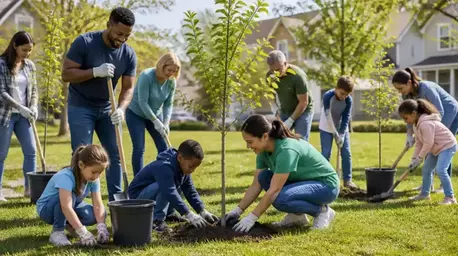 Consider this: a single tree can absorb over 48 pounds of carbon dioxide each year, significantly c
