Curbside Recycling
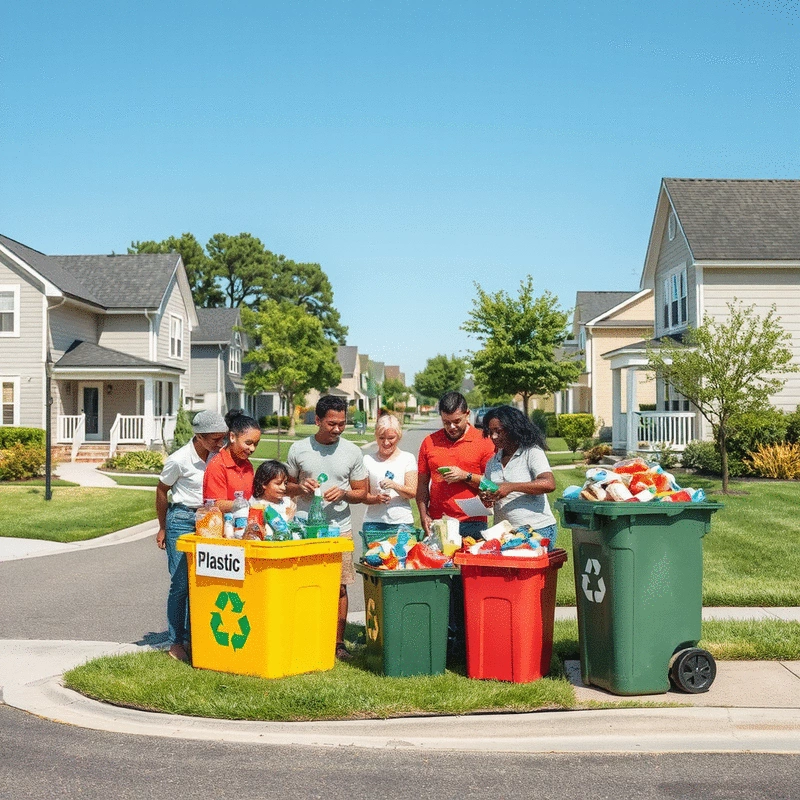
- Advantages: Easy access for residents
- Challenges: Inconsistent pickup schedules
- Contamination Risks: Higher due to wrong items in bins
In a world where sustainability is becoming increasingly critical, it’s essential to recognize the unique challenges suburban communities face in recycling. Addressing these obstacles not only helps the environment but also fosters a sense of community and responsibility. How can we turn the tide toward more effective recycling in our neighborhoods?
The effectiveness of recycling programs can be evaluated by comparing curbside recycling and drop-off centers across key metrics. Below is a visual representation highlighting the differences.
Recycling is a crucial aspect of sustainable living, especially in our suburban communities. While many of us enjoy the beauty of green spaces and clean neighborhoods, we often overlook the challenges that come with recycling in lower-density areas. At Greener Suburbs, we recognize that understanding these challenges is the first step towards fostering a more eco-friendly environment. Let’s break down why recycling matters and the unique hurdles suburban areas face. For more insights on efficient waste management, explore suburban strategies for smart waste reduction.
In lower-density areas, recycling isn’t just about waste management; it’s about creating a healthier community. Economic and environmental benefits are significant. For instance, when we recycle, we reduce the amount of waste sent to landfills, saving valuable land and resources. Recycling also supports local economies by creating jobs in processing facilities and reducing the cost of waste management in the long run.
Suburban recycling programs often have distinct characteristics, too. For one, they may face logistical challenges, such as less frequent collection services or fewer drop-off locations. Understanding these unique traits can help us improve our recycling efforts. As we work together at Greener Suburbs, we aim to tailor our strategies to fit these specific needs. This aligns with our broader efforts in enhancing suburban living through effective recycling programs.
Recycling plays a vital role in protecting our environment and conserving resources. By recycling products like paper, plastic, and metals, we can significantly reduce our ecological footprint. This practice not only saves natural resources but also reduces energy consumption, leading to lower greenhouse gas emissions.
From an economic standpoint, recycling can save municipalities money. When less waste goes to landfills, communities can reduce disposal costs and invest those savings into other essential services. This cycle of positivity creates a win-win situation for everyone involved!
Suburban areas often have distinct needs when it comes to recycling. For instance, many suburban neighborhoods may lack the high-density population needed to support comprehensive curbside recycling. This often leads to limited services and reliance on drop-off centers, which can be inconvenient for residents.
At Greener Suburbs, we believe it’s essential to adapt our recycling strategies to fit the unique characteristics of our suburban communities. By understanding these challenges, we can better support residents in their recycling efforts and create a cleaner, greener environment.
Now, let’s take a look at the effectiveness of current recycling programs. As we evaluate these systems, it’s important to consider the differences between curbside recycling and drop-off centers. Each has its advantages and disadvantages, and understanding them can help us make informed decisions about which approach works best for our community.
Curbside recycling programs provide convenience, allowing residents to simply place their recyclables at the curb for collection. However, this service often has limitations, including inconsistent pickup schedules and contamination issues. On the other hand, drop-off centers can serve as a reliable alternative, but they require additional effort from residents.
In our journey toward a greener suburb, we must weigh these options carefully. At Greener Suburbs, we encourage community discussions about which recycling methods best suit our neighborhoods. Together, we can find solutions that work! For more on local efforts, check out local recycling programs and their community benefits.
Single-stream recycling has become popular in many areas, allowing residents to place all recyclables into one bin. This convenience can boost participation rates, but it also brings challenges. Contamination can be a significant downside, as non-recyclable items can spoil entire batches of materials.
As we navigate the complexities of recycling, it’s essential to consider both the benefits and drawbacks of single-stream systems. At Greener Suburbs, we’re committed to finding the best practices that encourage responsible recycling while minimizing contamination.
Local government policies play a pivotal role in the success of recycling initiatives. They can influence recycling rates through legislation, funding, and support for community engagement. Understanding how these policies impact our efforts is key to enhancing recycling in our suburbs.
Effective legislation can create an an environment that encourages recycling. For example, mandates that require businesses and residents to recycle can significantly increase participation. Additionally, governments can implement policies that require specific materials to be recycled, reducing overall waste.
At Greener Suburbs, we advocate for policies that empower residents to participate in recycling efforts actively. By working together with local governments, we can create a more sustainable future!
Incentive programs are another effective way to boost recycling participation. By offering rewards for residents who recycle consistently, we can create a culture of sustainability in our neighborhoods. These programs can take many forms, from discounts on utility bills to community recognition.
As we engage with our community through Greener Suburbs, we aim to promote programs that incentivize recycling. Together, we can encourage our neighbors to take action and contribute to a cleaner, greener suburb!
To maximize the effectiveness of your recycling efforts, consider implementing regular community workshops. These workshops can educate residents on proper recycling practices, showcase the environmental benefits, and create a sense of ownership within the community. Engaging residents in hands-on activities, like creating recycling art or building compost bins, can also foster a deeper connection to sustainable practices.
When it comes to recycling in our suburban communities, understanding what makes a program successful is crucial. At Greener Suburbs, we believe that clear metrics can help us track progress and make informed decisions. By focusing on key performance indicators (KPIs), we can gauge how well our local recycling initiatives are performing and where improvements can be made.
So, what should we be measuring? Here are some essential metrics to consider:
By monitoring these metrics, we can better understand our community's recycling habits and identify areas for improvement. For instance, a high participation rate means that local residents are taking an active role in keeping our neighborhoods clean. However, a high contamination rate might indicate a need for better education and resources regarding what can be recycled.
To achieve our goals, we can break down our metrics further:
Monitoring the participation rate is vital for any recycling program. It’s a reflection of how engaged our community members are with sustainable practices. Encouraging everyone to join in can make a significant difference! For example, hosting neighborhood challenges can spice things up and motivate more households to recycle.
Here are some fun ways to increase participation:
The contamination rate is another critical KPI. It helps us see how much of the material collected is actually recyclable. If contamination levels are high, it can lead to increased costs for processing and decrease the overall effectiveness of our program.
To tackle contamination, consider these strategies:
Finally, the diversion rate allows us to assess how effectively we’re keeping waste out of landfills. It’s not just a number; it represents our community’s commitment to sustainable living. By tracking this metric, we can celebrate our successes and identify future goals.
To improve our diversion rate, we can:
Suburban communities often face unique challenges such as less frequent curbside collection, fewer accessible drop-off centers, and varied levels of community engagement. These factors can hinder participation and overall recycling effectiveness compared to more densely populated areas.
In lower-density areas, recycling is crucial for reducing landfill waste, conserving resources, and fostering a healthier environment. It also supports local economies by creating jobs in processing facilities and reducing waste management costs for municipalities.
Curbside recycling offers convenience as residents place recyclables directly at the curb, but it can suffer from inconsistent schedules and higher contamination risks. Drop-off centers provide reliable collection with lower contamination rates, but they require residents to transport their recyclables, which can deter participation due to inconvenience.
Single-stream recycling allows residents to place all recyclable materials into one bin. Its main benefit is increased convenience, which can boost participation rates. However, a significant drawback is the higher contamination rate, as non-recyclable items can spoil entire batches of materials, complicating processing.
Local government policies are vital for recycling success through legislation, funding, and community support. They can implement mandates for recycling, create material-specific policies, and offer incentive programs to encourage consistent participation among residents and businesses, ultimately increasing recycling rates.
Key Performance Indicators (KPIs) for recycling programs include:
As we work toward enhancing our recycling efforts, having practical resources at our fingertips is essential. Municipalities can benefit from evaluating the differences between curbside and drop-off models to find what works best for their specific needs.
When assessing recycling options, understanding the costs involved can help municipalities make informed decisions. Both curbside and drop-off models come with their own set of advantages and challenges.
To provide some real-world context, let’s look at a few case studies from nearby municipalities:
Engaging with our community is key to fostering a culture of sustainability. Developing outreach strategies can make a world of difference in recycling participation. Here at Greener Suburbs, we believe that education is at the heart of community action!
Creating effective communication materials is essential for raising awareness. Think about incorporating:
Finally, let’s focus on some best practices when it comes to running recycling education campaigns:
As we wrap up this discussion, it’s clear that enhancing suburban recycling initiatives is a shared responsibility that requires commitment and collaboration. By identifying challenges and implementing effective solutions, we can create a more sustainable future for our neighborhoods. This collaborative effort is essential for partnering with locals for successful recycling initiatives.
From measuring success through KPIs to engaging our community effectively, every step we take will contribute to a greener suburb. The more we invest in recycling education and participation strategies, the more we’ll see our efforts pay off! Together, we can turn challenges into opportunities.
This is a call to action for all of us! Let’s encourage local stakeholders to join hands in making a difference. Whether it’s a neighbor, a business, or our local government, every voice matters in this movement. Consider how you can engage residents in green initiatives to amplify our impact.
Lastly, let’s keep the conversation going! Share your thoughts, ideas, and resources with Greener Suburbs. Together, we can inspire each other and work towards making our suburban communities shine brighter, one recycle bin at a time!
Here is a quick recap of the important points discussed in the article:
Clara Jennings is an environmental advocate and community organizer dedicated to promoting sustainable practices in suburban living. With a background in environmental science and years of experience in community engagement, Clara works passionately to inspire neighborhoods to embrace eco-friendly initiatives that enhance their surroundings and foster a sense of community.