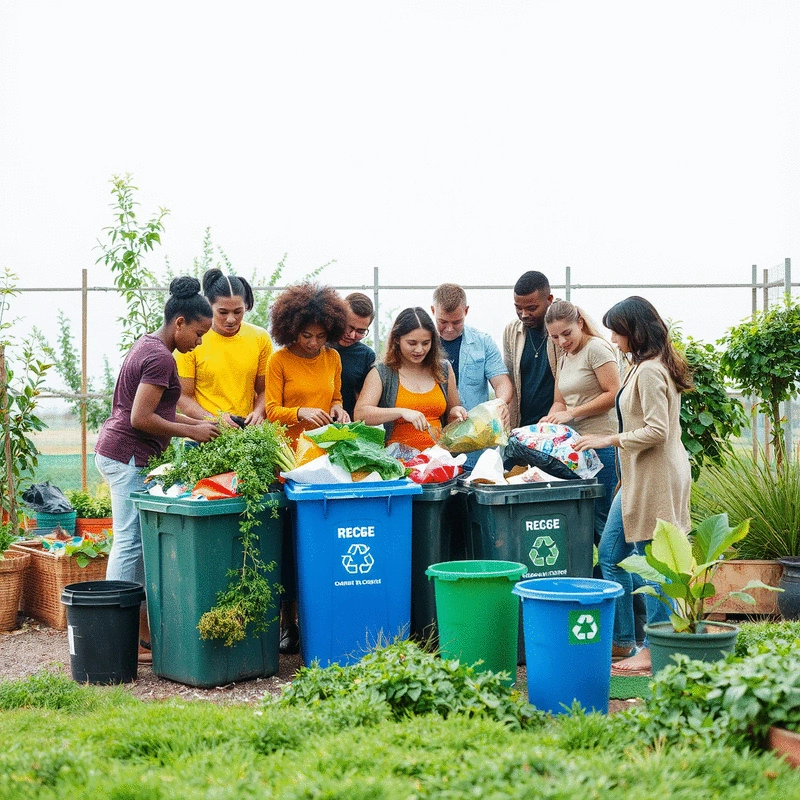
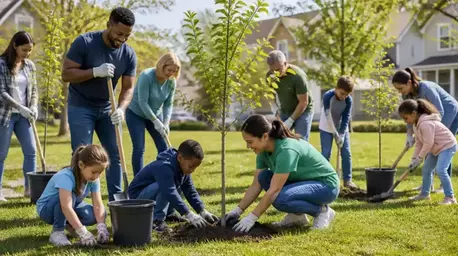
The urgency of sustainable waste management is clear; with increasing waste and environmental challenges, communities must unite to tackle these issues effectively. Collaborative approaches not only enhance waste management practices but also foster a sense of ownership and pride among residents.
What You Will Learn
Understanding Collaborative Waste Management: This approach involves multiple community stakeholders working together towards common waste management goals, leveraging their unique strengths.
Key Components of Successful Partnerships: Trust, respect, inclusivity, shared goals, and effective communication are essential for fostering productive collaborations.
Importance of Community Involvement: Active participation from residents leads to better waste management outcomes and enhances community pride and awareness.
Environmental and Economic Impact: Sustainable waste management not only protects ecosystems but also reduces costs and improves public health outcomes.
Strategies for Landfill Diversion: Composting, recycling initiatives, and repair workshops are effective methods for minimizing waste and promoting resource recovery.
Measuring Success with KPIs: Establishing key performance indicators helps communities track progress, adapt strategies, and celebrate achievements in waste management efforts.
Creating a Success Dashboard: A centralized dashboard can visualize community efforts, showcasing real-time metrics on recycling rates and participation, motivating further engagement.
Key Performance Indicators for Collaborative Waste Management
Tracking our collaborative efforts in waste management is crucial for success. Below are the key metrics we focus on:
Recycling Rates
Percentage of waste diverted from landfills.
Participation Rates
Number of residents actively involved in recycling or cleanup events.
Community Feedback
Qualitative data through surveys to understand perceptions and satisfaction.
Cost Savings
Financial savings resulting from decreased waste disposal fees.
Understanding Collaborative Waste Management Solutions for Communities
At Greener Suburbs, we believe that effective waste management is not just about having a plan; it’s about working together as a community! Collaborative waste management brings residents, local businesses, and nonprofits together to create sustainable solutions that benefit everyone. This approach emphasizes teamwork and shared responsibility, leading to more effective and lasting results in managing waste. Discover more about suburban strategies for smart waste.
So, what exactly is collaborative waste management? It’s a strategy where different community stakeholders join forces to tackle waste issues. By pooling resources, knowledge, and efforts, these partnerships can implement innovative strategies that go beyond traditional waste disposal methods. Together, we can make a difference, transforming our neighborhoods into cleaner, greener spaces!
Defining Collaborative Waste Management
When we talk about collaborative waste management, we're referring to a system where multiple parties work hand in hand to address waste challenges. This can involve local governments, community organizations, businesses, and residents all pitching in. Each partner plays a unique role, contributing their strengths to create a more holistic approach to waste management.
Key components of this partnership model include:
Shared Goals: All partners align their objectives to achieve common waste management targets.
Effective Communication: Open lines of communication ensure everyone is on the same page and working towards the same vision.
Resource Sharing: Collaborators can share tools, knowledge, and funding to support community initiatives.
Community Engagement: Involving residents in the decision-making process fosters a sense of ownership and responsibility.
Key Components of Partnership-Based Waste Management
Building successful partnerships requires understanding the key components that make them effective. By focusing on collaboration, we can enhance our neighborhood's waste management practices. Here are some essential elements:
Trust and Respect: Establishing trust among partners is vital for a productive relationship.
Inclusivity: Everyone's voice matters! Inviting diverse stakeholders ensures a variety of ideas and solutions.
Accountability: Each partner should be responsible for their contributions, ensuring that the effort is collective.
By prioritizing these components, we can create a robust framework for collaborative waste management that truly benefits our suburban communities.
Importance of Community Involvement in Waste Solutions
Community involvement is the heartbeat of effective waste management strategies. When residents actively participate, it not only leads to better outcomes but also fosters a sense of unity and pride in our neighborhoods. Imagine a world where everyone is committed to keeping their environment clean and sustainable!
Here are some ways community involvement can strengthen waste management efforts:
Increased Awareness: Engaging residents helps them understand the impact of their waste choices.
Behavior Change: When people feel connected to a cause, they are more likely to change their habits for the better.
Volunteer Opportunities: Organizing cleanups or recycling events encourages residents to take action together. Find out more about joining eco-friendly cleanup efforts in your area.
At Greener Suburbs, we’ve seen firsthand how community involvement can transform our surroundings. Together, we can cultivate a cleaner, healthier, and more vibrant place to live!
Identifying the Need for Sustainable Waste Management
The need for sustainable waste management has never been more urgent. With increasing population numbers and consumption rates, our waste systems are often strained, leading to negative environmental impacts. It’s essential for communities to recognize the importance of changing our current waste management practices.
Why should we prioritize sustainable waste management? Here are a few reasons:
Environmental Protection: Ineffective waste strategies can lead to pollution and harm local ecosystems.
Resource Conservation: Reducing waste helps conserve valuable resources by promoting recycling and reuse.
Health Improvement: Cleaner environments contribute to better public health outcomes for residents.
Environmental Impacts of Ineffective Waste Strategies
The consequences of ineffective waste management can be dire. Landfills overflow, while valuable materials are lost to waste. This not only harms our environment but also contributes to climate change.
Here are some key impacts to consider:
Soil Contamination: Leachate from landfills can seep into the ground, affecting water quality.
Air Pollution: Decomposing waste emits harmful gases, contributing to air quality issues.
Wildlife Disruption: Improperly disposed waste can harm local wildlife and disrupt natural habitats.
These impacts highlight why we must take action towards sustainable waste management solutions!
The Role of Communities in Promoting Sustainability
Communities play a pivotal role in promoting sustainable waste management practices. It’s not just about individual efforts; it’s about creating a culture of sustainability together. By advocating for responsible waste management, communities can lead by example!
Some ways communities can foster sustainability include:
Education Initiatives: Teaching residents about waste reduction techniques and the importance of recycling.
Local Events: Organizing neighborhood cleanups and recycling drives to engage residents.
Support Local Businesses: Encouraging businesses to adopt sustainable practices and minimize waste.
As we collaborate at Greener Suburbs, we can significantly impact our environment, showing that collective action truly matters!
Integrating Zero Waste Initiatives into Community Practices
Zero waste initiatives offer a compelling vision for sustainable waste management. By aiming to eliminate waste entirely, we can transform the way our communities handle resources. It’s not just a goal; it’s a way of life we can adopt!
Here are the principles of the circular economy that guide us toward zero waste:
Design for Longevity: Create products that can be reused or recycled instead of discarded.
Maintain Resources: Keep materials in use for as long as possible to maximize their value.
Regenerate Natural Systems: Enhance the environment by ensuring waste becomes a resource for new products.
By adopting these principles, we can move closer to a zero waste future!
Strategies for Landfill Diversion and Resource Recovery
To truly embrace zero waste, our communities must focus on diverting materials from landfills and recovering resources. It sounds challenging, but with the right strategies in place, we can achieve it together!
Consider these effective strategies for landfill diversion:
Composting: Transform organic waste into nutrient-rich compost for gardens.
Recycling Programs: Implement convenient recycling options to encourage participation.
Repair Workshops: Host events where residents can learn to repair items instead of throwing them away.
At Greener Suburbs, we’re excited to explore these strategies with our community, proving that waste reduction is not only possible but a shared journey towards a brighter future!
Quick Summary
Here's a brief recap of the key points discussed so far:
Collaborative waste management fosters teamwork among residents, businesses, and nonprofits to create sustainable solutions.
Community involvement is crucial, as it leads to increased awareness and behavior change regarding waste management.
Establishing trust, inclusivity, and accountability among partners is essential for effective collaboration.
Zero waste initiatives and landfill diversion strategies can significantly improve community waste management practices.
Frequently Asked Questions (FAQs)
What is collaborative waste management?
Collaborative waste management is a strategy where residents, local businesses, and nonprofits work together to create sustainable waste solutions, emphasizing teamwork and shared responsibility.
Why is community involvement important in waste management?
Community involvement leads to increased awareness, promotes positive behavior changes, and fosters a sense of ownership and pride, resulting in better waste management outcomes.
What are the key components of effective partnership-based waste management?
Key components include shared goals, effective communication, resource sharing, community engagement, trust, respect, inclusivity, and accountability.
How does sustainable waste management benefit a community?
It protects the environment, conserves resources, improves public health, reduces waste disposal costs, boosts local property values, and attracts more visitors.
What are some strategies for landfill diversion and resource recovery?
Effective strategies include composting organic waste, implementing convenient recycling programs, and hosting repair workshops to extend product lifecycles.
How can communities measure the success of their waste management programs?
Success can be measured using key performance indicators (KPIs) such as recycling rates, participation rates, community feedback through surveys, and calculating cost savings from reduced waste disposal fees.
What is a circular economy in the context of zero waste?
The circular economy guides zero-waste initiatives by promoting the design of long-lasting products, maintaining resources in use for as long as possible, and regenerating natural systems so waste becomes a resource.
Measuring Success in Collaborative Waste Management Programs
When we set out to improve waste management through collaboration, it's essential to measure our success along the way. At Greener Suburbs, we believe that tracking progress not only helps us celebrate milestones, but also fine-tunes our initiatives to better serve the community. What are the key elements we should focus on? This is where key performance indicators (KPIs) and metrics come into play. For more ideas on how to monitor progress, check out our tips on sustainable suburban living.
First, it’s important to identify both environmental and economic outcomes that reflect the effectiveness of our collaborative efforts. For instance, we can measure changes in recycling rates, reduction in waste sent to landfills, and even improvements in community engagement levels. By focusing on these aspects, we can get a clearer picture of the impact our programs have on the environment and our neighborhood.
Key Performance Indicators and Metrics
To gauge the success of our waste management programs, we need to establish specific KPIs that resonate with our community's goals. Here are some important metrics to consider:
**Recycling Rates**: Track the percentage of waste diverted from landfills.
**Participation Rates**: Measure how many residents are actively involved in recycling or cleanup events.
**Community Feedback**: Collect qualitative data through surveys to understand perceptions and satisfaction.
**Cost Savings**: Calculate any financial savings resulting from decreased waste disposal fees.
By monitoring these metrics regularly, we can adjust our strategies to better align with our mission of cultivating sustainable, vibrant suburbs. It's all about working together to enhance our surroundings and strengthen community bonds!
Environmental and Economic Outcomes of Collaboration
One of the most rewarding aspects of collaborative waste management is witnessing the positive results firsthand. For example, as we engage in community cleanups or recycling drives, we can visibly see cleaner streets and parks, which contributes to a healthier environment. Not only do our actions benefit nature, but they also create economic advantages!
When residents work together, we often find a reduction in overall waste disposal costs. Less waste means lower landfill fees, which can be redirected towards other community projects. Furthermore, a cleaner environment can boost local property values and attract more visitors, resulting in a thriving local economy!
Tools and Resources for Communities to Measure Progress
It’s crucial for communities to have the right tools at hand to effectively track progress and outcomes. Here are some resources that can help:
**Collaborative Waste Management Success Dashboard**: This tool allows communities to visualize their efforts and progress in real-time.
**Templates for Surveys**: Gathering feedback from residents can offer insights into what's working and what needs improvement.
**Checklists for Events**: Use these to ensure all aspects of community engagement are covered during recycling drives or cleanups.
By utilizing these tools, we empower residents to take ownership of their waste management practices while fostering accountability within our community. Learn more about engaging residents in green initiatives.
Creating a Collaborative Waste Management Success Dashboard
Imagine having a centralized location where all our waste management data is accessible! Creating a collaborative waste management success dashboard can do just that. This dashboard can feature real-time metrics on recycling rates, community participation, and environmental impacts. It serves as a visual reminder of our collective achievements and areas needing improvement.
Such a tool is not only motivating, but it can also encourage more residents to join our initiatives. When they see tangible results, they are likely to feel more invested in contributing to our cause. At Greener Suburbs, we’re always looking for creative ways to engage the community and enhance our sustainability efforts!
Recap of Key Points
Here is a quick recap of the important points discussed in the article:
Collaborative Waste Management: Engaging residents, businesses, and nonprofits to work together towards sustainable waste solutions.
Key Components: Focus on shared goals, effective communication, resource sharing, and community engagement to enhance waste management efforts.
Community Involvement: Active participation leads to increased awareness, behavior change, and a stronger sense of ownership in local waste management initiatives.
Sustainable Practices: Prioritize education, organize local events, and support businesses in adopting eco-friendly practices to foster a culture of sustainability.
Zero Waste Initiatives: Embrace circular economy principles by designing for longevity, maintaining resources, and regenerating natural systems.
Measuring Success: Utilize key performance indicators (KPIs) like recycling rates and community feedback to track progress and enhance waste management strategies.
Clara Jennings
Clara Jennings is an environmental advocate and community organizer dedicated to promoting sustainable practices in suburban living. With a background in environmental science and years of experience in community engagement, Clara works passionately to inspire neighborhoods to embrace eco-friendly initiatives that enhance their surroundings and foster a sense of community.
Popular Posts
Build Your Community Food Network
What if your community could eliminate hunger and strengthen bonds among neighbors? Community food-s
Low-Waste Weekly Shopping Tips
Have you ever considered how the simple act of shopping can significantly impact our environment? Ad
Greener Suburbs is dedicated to cultivating sustainable and vibrant suburban communities through active participation in eco-friendly initiatives. Our mission is to promote cleanliness, encourage recycling, reduce waste, and enhance the beauty of our neighborhoods for a healthier future.