Eco-Friendly Suburban Home Tips
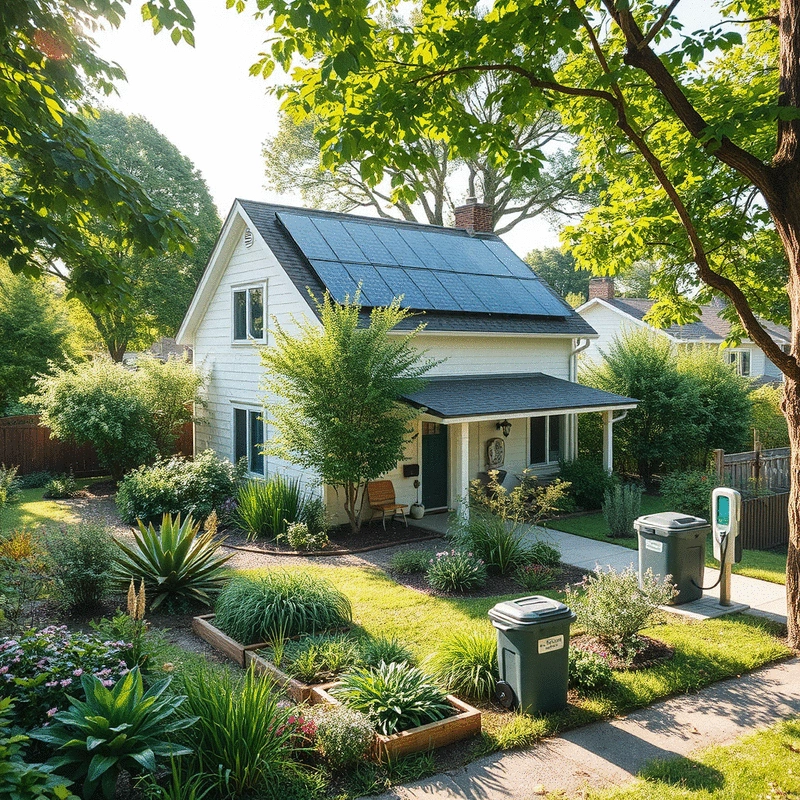
What if your home could be both a sanctuary and a champion for the planet? In our suburban neighborhoods, we have the unique opportunity to blend comfort with sustainability, transforming our living spaces into eco-friendly havens. It's not just a trend; it's an essential movement for healthier communities.
What You Will Learn
- Understanding eco-friendly homes: Characteristics include energy efficiency, renewable energy sources, and non-toxic materials.
- The importance of sustainability in suburban areas: Reduces energy costs and improves air quality while fostering community pride.
- Long-term benefits of investing in sustainability include reduced energy costs, increased home value, and healthier living environments.
- Local zoning laws significantly influence eco-friendly renovations, affecting structures, land use, and permitting processes.
- Community engagement is crucial: Local workshops and resource centers can promote sustainable practices effectively.
- Building a support network with like-minded homeowners can inspire action and strengthen community bonds.
- Community gardens enhance food security, environmental benefits, and social connections among residents.
Key Benefits of Eco-Friendly Living
Embracing sustainability in suburban living leads to numerous advantages for both homeowners and the community. This includes the implementation of suburban strategies for smart waste management, contributing to a healthier environment.
Reduced Energy Costs
Energy-efficient homes typically lead to lower utility bills.
Increased Home Value
Sustainable features enhance property desirability and market value.
Healthier Living Environments
Eco-friendly materials and practices improve indoor air quality.
Community Resilience
Sustainable neighborhoods are better equipped to deal with climate challenges.
Understanding Eco-Friendly Living in Suburban Contexts
Living in a suburb often brings the *best of both worlds*—the charm of spacious homes and the ease of community life. Yet, as we enjoy this lifestyle, we must also consider our environmental impact. Eco-friendly living isn’t just a trend; it’s a *responsibility* we share as residents of our neighborhoods. Understanding what it truly means to adopt eco-friendly practices can empower us to *transform our communities* into sustainable havens!
Defining Eco-Friendly Homes: What Does It Mean?
So, what exactly does “eco-friendly” mean in the context of our homes? It refers to adopting practices and materials that minimize environmental damage. An eco-friendly home is designed to use *less energy*, produce *fewer emissions*, and reduce overall waste. Think of it as creating a space that *coexists harmoniously* with nature—where every choice contributes to a healthier planet.
Common characteristics of an eco-friendly home include:
- Energy-efficient appliances and systems
- Use of renewable energy sources, like solar power
- Water-saving fixtures and landscaping
- Non-toxic materials and sustainable building practices
By incorporating these elements, we can create homes that not only benefit our families but also positively impact the *environment*. It’s a win-win situation, right?
The Importance of Sustainability in Suburban Areas
Suburban areas are unique in that they often have a *strong community feel*, but they also face specific environmental challenges. From sprawling lawns to increased vehicle usage, the suburban lifestyle can sometimes lead to higher carbon footprints. That’s why embracing sustainability is crucial for the health of our neighborhoods and the planet. For more tips, check out our guide on sustainable tips for suburban living.
Implementing sustainable practices can yield numerous benefits, such as:
- Reducing energy costs for families
- Improving air quality and enhancing local ecosystems
- Fostering community pride and engagement
- Preserving resources for future generations
At Greener Suburbs, we believe that each small change contributes to a larger movement. It’s all about making choices that lead to a more sustainable future—*together* we can create a healthier environment for our families and neighbors!
Pro Tip
Did you know? Incorporating native plants into your landscaping not only enhances the beauty of your home but also supports local wildlife and reduces water usage. Native plants are adapted to the local climate and soil conditions, making them easier to maintain and more resilient against pests. Consider replacing parts of your lawn with a native garden to promote biodiversity and sustainability in your community!
Addressing Common Questions About Eco-Friendly Living in Suburban Areas
Eco-friendly living is more than just a trend; it's a necessary evolution for our suburban communities. Many people wonder about the long-term benefits of investing in sustainability. This isn't just about saving a few bucks on utility bills; it's about creating healthier environments for our families, enhancing property values, and fostering a sense of community. Have you thought about how your choices today can impact future generations?
When we commit to sustainability, we often see a significant reduction in energy consumption and waste. This shift can lead to lower environmental impact and increased resilience against climate change. It’s incredible to think that simple actions—like planting a tree or installing energy-efficient appliances—can contribute to a bigger movement towards a cleaner planet!
What Are the Long-Term Benefits of Investing in Sustainability?
Investing in eco-friendly practices offers numerous long-term advantages that benefit both homeowners and the community. Here are some key points to consider:
- Reduced Energy Costs: Energy-efficient homes typically lead to lower utility bills.
- Increased Home Value: Sustainable features can enhance property desirability and market value.
- Healthier Living Environments: Eco-friendly materials and practices improve indoor air quality.
- Community Resilience: Sustainable neighborhoods are better equipped to deal with climate challenges.
By embracing these practices, each of us can contribute to a healthier, more vibrant neighborhood. At Greener Suburbs, we believe that every step counts, no matter how small!
How Can Local Zoning Laws Affect Eco-Friendly Renovations?
When it comes to making eco-friendly changes to your home, local zoning laws play a significant role. Understanding these regulations can help you navigate your renovation plans and avoid potential setbacks. For instance, zoning laws may dictate:
- Types of Structures: Restrictions on building types can affect solar panel installations or greenhouses.
- Land Use: Regulations may impact how you can use your property for gardens or rainwater collection systems.
- Permitting Processes: Certain eco-friendly renovations may require special permits, so it’s vital to check ahead of time.
Before you start your project, take some time to research your local laws. Knowledge is power, and it can help us all build a more sustainable future!
Encouraging Community Engagement for Sustainable Practices
Creating a sustainable home is just the beginning! At Greener Suburbs, we know that community engagement is vital for lasting change. By working together, we can amplify our efforts and inspire more residents to embrace eco-friendly practices. So, how can we foster this spirit of collaboration?
The Role of Local Resources in Promoting Eco-Friendly Initiatives
Local resources are invaluable when it comes to promoting sustainability in our suburbs. Here are some ways they can support our efforts:
- Workshops and Events: Many organizations offer workshops on eco-friendly gardening, energy efficiency, and more.
- Resource Centers: Libraries or community centers can provide materials and information on sustainable practices.
- Networking Opportunities: Local groups often facilitate connections between homeowners interested in green initiatives.
By tapping into these resources, we can all become more informed and empowered to make sustainable choices! Discover more about starting your community green initiative for a bigger impact.
Building a Support Network: Connecting with Like-Minded Homeowners
One of the most rewarding aspects of pursuing eco-friendly living is building connections with others who share your passion. Here are some ideas for creating a supportive network:
- Join Local Groups: Look for neighborhood associations or sustainability groups.
- Social Media Engagement: Follow local eco-initiatives on platforms like Facebook or Instagram.
- Host Community Meetups: Organize casual gatherings to discuss green practices and share tips!
These connections can not only inspire action but also strengthen our community bonds. Together, we can create a greener, more vibrant living space for everyone!
Community Gardens: Fostering Local Engagement in Sustainable Practices
Community gardens are a fantastic way to engage residents and promote sustainability. Not only do they provide fresh produce, but they also foster a sense of community. Here’s why they matter:
- Food Security: Local gardens provide fresh, nutritious food to those who might not otherwise have access.
- Environmental Benefits: Gardens can improve biodiversity and support local pollinators.
- Social Connection: Working together cultivates friendships and a sense of belonging.
Imagine a weekend spent planting seeds and laughing with neighbors! Community gardens are the heart of our sustainable neighborhoods, and they offer a wonderful opportunity for connection. Learn more about sustainable gardening tips for suburbs to get started.
Conclusion: Taking Action Towards a Sustainable Future in Suburban Homes
As we wrap up our discussion on eco-friendly living, let’s take a moment to summarize the key steps you can take towards creating your sustainable home. From energy-efficient upgrades to community engagement, every action counts!
Summarizing Key Steps for Creating Your Eco-Friendly Home
- Invest in energy-efficient appliances and upgrades.
- Explore sustainable landscaping options for your backyard.
- Connect with local resources and groups for support.
- Consider community gardens as a way to engage and share.
Are you ready to take the next step? At Greener Suburbs, we’re here to support you on your journey towards sustainability!
Invitation to Share Your Journey: Join the Eco-Friendly Movement
We invite you to share your eco-friendly experiences with us! Whether it’s a recent home upgrade or a community project, your stories can inspire others to join this vital movement. Together, let’s create greener, healthier suburbs—one small step at a time! Consider joining our eco-friendly cleanup efforts to make a direct impact.
Recap of Key Points
Here is a quick recap of the important points discussed in the article:
- Eco-Friendly Homes: Incorporate energy-efficient appliances, renewable energy sources, water-saving fixtures, and non-toxic materials to minimize environmental impact.
- Sustainability Benefits: Embracing sustainability reduces energy costs, improves air quality, fosters community pride, and preserves resources for future generations.
- Investing in Sustainability: Sustainable practices can lead to lower utility bills, increased home value, healthier living environments, and enhanced community resilience against climate challenges.
- Understanding Local Zoning Laws: Familiarize yourself with local regulations that may affect eco-friendly renovations, including restrictions on structures and land use.
- Community Engagement: Connect with local resources, join sustainability groups, and host meetups to promote eco-friendly practices within your neighborhood.
- Community Gardens: These initiatives not only provide fresh produce but also foster social connections and environmental benefits within the community.
Frequently Asked Questions about Eco-Friendly Living in Suburbs
- What defines an eco-friendly home?
- An eco-friendly home is designed to minimize environmental damage by using less energy, producing fewer emissions, and reducing overall waste through features like energy-efficient appliances, renewable energy sources, water-saving fixtures, and non-toxic materials.
- Why is sustainability important in suburban areas?
- Sustainability in suburban areas helps reduce energy costs, improve air quality, enhance local ecosystems, foster community pride, and preserve resources for future generations, addressing challenges like sprawling lawns and increased vehicle usage that can lead to higher carbon footprints.
- What are the long-term benefits of investing in sustainability for homeowners?
- Long-term benefits include reduced energy costs, increased home value due to enhanced desirability, healthier living environments through improved indoor air quality, and stronger community resilience against climate challenges.
- How do local zoning laws impact eco-friendly renovations?
- Local zoning laws can significantly affect eco-friendly renovations by dictating types of structures (e.g., solar panel installations), land use (e.g., gardens, rainwater collection), and requiring specific permitting processes for certain green upgrades.
- How can suburban communities promote eco-friendly initiatives?
- Communities can promote eco-friendly initiatives through local resources like workshops and events, resource centers, and networking opportunities. Building support networks among like-minded homeowners and establishing community gardens are also effective strategies.

Clara Jennings
Clara Jennings is an environmental advocate and community organizer dedicated to promoting sustainable practices in suburban living. With a background in environmental science and years of experience in community engagement, Clara works passionately to inspire neighborhoods to embrace eco-friendly initiatives that enhance their surroundings and foster a sense of community.
Popular Posts
Build Your Community Food Network
![Build Your Community Food Network]() What if your community could eliminate hunger and strengthen bonds among neighbors? Community food-s
What if your community could eliminate hunger and strengthen bonds among neighbors? Community food-s
 What if your community could eliminate hunger and strengthen bonds among neighbors? Community food-s
Low-Waste Weekly Shopping Tips
![Low-Waste Weekly Shopping Tips]() Have you ever considered how the simple act of shopping can significantly impact our environment? Ad
Have you ever considered how the simple act of shopping can significantly impact our environment? Ad
 Have you ever considered how the simple act of shopping can significantly impact our environment? Ad
Create Habitats with Local Volunteers
![Create Habitats with Local Volunteers]() Did you know that approximately one-third of the food we consume relies on pollinators like birds an
Did you know that approximately one-third of the food we consume relies on pollinators like birds an
 Did you know that approximately one-third of the food we consume relies on pollinators like birds an
Organize Your Neighbourhood Tree Planting
![Organize Your Neighbourhood Tree Planting]() Consider this: a single tree can absorb over 48 pounds of carbon dioxide each year, significantly c
Consider this: a single tree can absorb over 48 pounds of carbon dioxide each year, significantly c
 Consider this: a single tree can absorb over 48 pounds of carbon dioxide each year, significantly c
