Reduce Plastic Waste in Suburbs
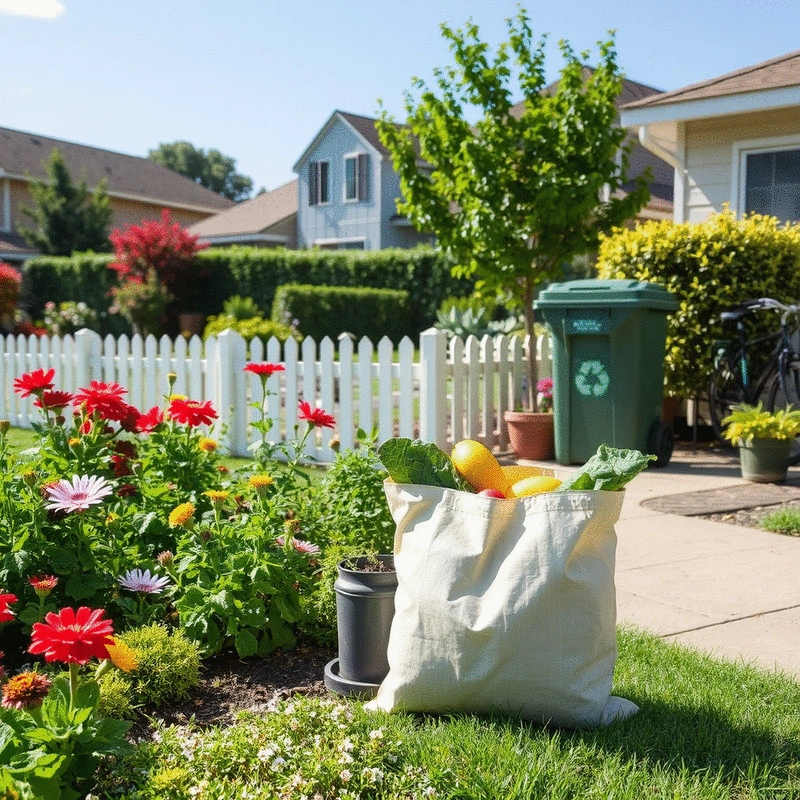
What if we could transform our suburban neighborhoods into cleaner, healthier spaces simply by understanding the impacts of plastic waste? As residents of Greener Suburbs, we hold the power to initiate change and foster sustainable practices in our communities.
What You Will Learn
- Plastic waste disrupts suburban ecosystems, leading to soil and water contamination that affects local wildlife and human health.
- Single-use plastics, such as grocery bags and food packaging, are major contributors to suburban plastic pollution.
- Community awareness and education are vital in combating plastic pollution, encouraging individuals to adopt sustainable practices.
- Engaging youth and local organizations can spark innovative sustainability initiatives within the community.
- Embracing a circular economy promotes waste reduction by encouraging recycling, upcycling, and resource-sharing practices.
- Leveraging technology can aid in monitoring waste and facilitating sustainable practices in suburban areas.
Environmental Effects of Plastic Waste
The impact of plastic waste on suburban ecosystems can be highlighted by the following key areas:
Water Contamination
Plastic waste can contaminate drinking sources, leading to serious health risks for communities.
Soil Degradation
Microplastics infiltrate our soil, impacting plant life and agricultural productivity.
Loss of Biodiversity
Polluted environments diminish biodiversity, making it harder for various species to thrive.
Impact on Wildlife
Animals often ingest plastic, leading to fatal injuries or malnutrition.
Understanding the Impact of Plastic Waste in Suburban Areas
As we step outside our homes, many of us may not realize the silent but profound impact of plastic waste lingering in our suburban neighborhoods. This pollution is not just an eyesore; it poses serious threats to our local ecosystems, wildlife, and even our own health. At Greener Suburbs, we believe that by understanding these impacts, we can take meaningful steps to create a cleaner, healthier environment for everyone.
When plastic waste enters our suburban ecosystems, it disrupts the natural balance. Plastics can break down into microplastics, which contaminate soil and water, affecting the quality of our environment. This leads to a ripple effect that can harm the plants we love, the animals we cherish, and the very air we breathe. Have you ever seen a bird struggling with a piece of plastic? It's heartbreaking to witness! For more information on how to manage waste effectively, explore suburban strategies for smart waste.
Defining Plastic Pollution and Its Consequences
So, what exactly is plastic pollution? It refers to the accumulation of plastic products in the environment, especially in areas where human activity is prevalent, like our suburbs. The consequences of this pollution are dire; it not only harms wildlife but also poses health risks to our community. In fact, studies show that plastic can leach harmful chemicals into the environment, which can eventually find their way into our food and water.
Consider the impact on our furry friends and local wildlife. Animals often mistake plastic for food, leading to fatal injuries or malnutrition. Moreover, polluted environments can lead to diminished biodiversity, making it harder for various species to thrive. The interconnectedness of our ecosystem means that any harm done to one part can resonate throughout, affecting all of us. We need to act now!
Exploring the Environmental Effects of Plastic Waste on Suburban Ecosystems
The effects of plastic waste on our suburbs are alarming. From clogged drainage systems that cause flooding to microplastics infiltrating our soil, the repercussions are far-reaching. Additionally, these plastics often end up in our waterways, harming aquatic life and disrupting natural habitats.
- Water contamination affecting drinking sources
- Soil degradation impacting plant life
- Loss of biodiversity and natural habitats
As we strive to create a greener suburban environment, it's vital to recognize these impacts. By understanding the effects, we can inspire our neighbors to join us in making changes that matter! For ideas on how to get involved, check out our eco-friendly cleanup efforts.
Impact on Local Wildlife and Community Health
It's not just about the environment; plastic waste directly affects our community's health too! When animals ingest plastic, it can lead to serious health issues not only for them but also for humans when these animals enter our food chain. Imagine the implications of consuming fish or birds that have ingested plastic!
As residents of Greener Suburbs, it's our responsibility to protect our local habitat and health. By reducing plastic usage, we contribute to a healthier community. Remember, every small effort counts! So, let’s come together to tackle plastic pollution head-on.
Identifying the Sources of Plastic Waste in Suburbs
Understanding where plastic waste comes from is crucial in our quest for reducing it. In suburban areas, a significant portion of plastic waste comes from single-use items—those convenient products we often overlook. By identifying these sources, we can focus our efforts on reducing their use.
- Plastic bags from grocery stores
- Single-use water bottles and cups
- Food packaging materials
Every time we shop, work, or dine out, we encounter various forms of plastic. If we can collectively make better choices, we’ll see a significant decrease in plastic waste cluttering our communities.
Common Single-Use Plastics Contributing to Suburban Waste
Some common culprits include plastic cutlery, straws, and food containers that we often use without a second thought. These items may be convenient, but they create a substantial burden on our environment. By being mindful of our choices, we can shift towards more sustainable alternatives.
Let’s challenge ourselves to minimize reliance on single-use plastics! Consider carrying a reusable bag when shopping or choosing a reusable water bottle instead of buying bottled water. The transformation starts with us!
Challenges of Suburban Lifestyles and Car Dependency
It's no secret that suburban life often leads to a heavy reliance on cars, which indirectly contributes to plastic waste. Think about all the takeout meals we grab on-the-go or the convenience of fast food. Each of these transactions often includes plastic packaging.
To counter this, we can make conscious decisions to reduce our plastic footprint, such as opting for dine-in or preparing meals at home. Together, we can tackle the challenges that come with suburban lifestyles and create a more sustainable way of living.
Raising Awareness About Plastic Pollution
At Greener Suburbs, we believe that raising awareness is a vital step toward combating plastic pollution. Through community events, social media campaigns, and educational resources, we can inform our neighbors about the impacts of plastic waste and how they can contribute to solutions.
What if we organized a local event to educate our community? We could invite speakers, hold workshops, and even create engaging activities that inspire action. The more we know, the better equipped we are to make positive changes!
Plastic Pollution Awareness Initiatives in Suburban Areas
Various initiatives are already underway to tackle plastic pollution in our suburbs. Local schools are incorporating sustainability lessons, while community groups are hosting workshops to educate residents about waste reduction techniques. These efforts create a ripple effect that encourages more individuals to join our cause.
- Workshops on composting and recycling
- Neighborhood cleanup events
- Collaborations with local businesses for sustainable practices
Let’s participate and amplify these efforts! Together, we can spread the word and foster a culture of environmental consciousness in our suburban communities. You can find more sustainable tips for suburban living on our blog.
Role of Environmental Organizations in Education and Advocacy
Organizations like Greener Suburbs play an essential role in advocacy and education. By collaborating with schools, businesses, and local governments, we can facilitate conversations about sustainable practices and policies. This community-driven approach empowers residents to take action and advocate for change.
How can you get involved? Consider volunteering for local events or sharing your own experiences on social media to inspire others. Let’s make our neighborhoods a beacon of sustainability!
Quick Summary
Here's a brief recap of the key points discussed so far:
- The impact of plastic waste on suburban ecosystems is profound and far-reaching.
- Plastic pollution poses health risks to wildlife and communities, leading to serious consequences.
- Identifying sources of plastic waste, such as single-use items, is crucial for effective reduction efforts.
Frequently Asked Questions (FAQs)
- What are the main environmental effects of plastic waste in suburban areas?
- Plastic waste in suburban areas leads to water contamination, soil degradation, loss of biodiversity, and direct harm to wildlife through ingestion and habitat disruption.
- What are the primary sources of plastic waste in suburbs?
- Major sources include single-use plastics such as grocery bags, water bottles, food packaging, plastic cutlery, and straws. Suburban lifestyles, especially car dependency leading to more takeout, also contribute.
- How does plastic waste affect local wildlife and human health?
- Animals often ingest plastic, causing injury, malnutrition, or death. For humans, plastic can leach harmful chemicals into the environment, which can enter the food and water supply, posing health risks. If animals that have ingested plastic are part of the food chain, it can also impact human health.
- What is a "circular economy" and how can it help reduce plastic waste?
- A circular economy redefines waste as a resource, promoting reuse, repair, and recycling. In suburbs, this means enhancing recycling programs, establishing repair cafés, encouraging composting, and upcycling materials to create new useful products.
- How can technology be used to track and reduce waste?
- Technology can be leveraged through waste tracking apps for individuals, educational platforms for sustainable practices, and even drone technology for waste management in hard-to-reach areas. These tools help make informed choices for a cleaner environment.
- What is the role of community engagement in combating plastic pollution?
- Community engagement is crucial for lasting change. It involves raising awareness through events and campaigns, fostering youth involvement in sustainability initiatives, and creating templates for neighborhood programs to make participation easier and more widespread.
Long-Term Solutions for Sustainable Waste Management
As we tackle the pressing issue of plastic waste in our neighborhoods, it’s crucial to explore long-term solutions that can lead to sustainable waste management. By embracing innovative practices and encouraging community involvement, we can create a future where waste is minimized, and our suburbs thrive. At Greener Suburbs, we believe that every small step counts, and together, we can make a meaningful impact!
One promising approach is the concept of a circular economy. This means designing systems that allow materials to be reused, repaired, and recycled, reducing the need for new resources. Imagine if our local communities could not only minimize waste but also create valuable products from what we used to throw away! Let's explore how we can implement this idea in our own backyards.
Encouraging a Circular Economy in Suburban Communities
The circular economy concept is all about redefining how we view waste. Instead of considering it something to be discarded, we can see it as a resource! In suburban settings, this can look like:
- Recycling: Transforming old products into new materials.
- Repair Cafés: Community events where people can bring broken items for repair instead of trashing them.
- Composting: Turning organic waste into nutrient-rich soil for gardens.
By introducing upcycling opportunities, we can creatively use waste materials to craft something new and useful. For example, turning old glass jars into beautiful flower vases or repurposing wood pallets into garden furniture not only prevents waste but also beautifies our surroundings. What creative ideas do you have for upcycling? Let’s share and inspire!
Leveraging Technology for Waste Tracking and Reduction
In our tech-savvy world, we can harness the power of technology to help us monitor and reduce waste effectively. There are several innovative tools available that can assist us, including:
- Waste Tracking Apps: These apps allow individuals to track their waste output and set goals for reduction.
- Educational Platforms: Websites that provide insights into sustainable practices tailored to suburban lifestyles.
- Drone Technology: Exciting developments like drone collection systems can help manage waste in hard-to-reach areas!
By leveraging these technologies, we can make informed choices that contribute to a cleaner environment and a stronger community. Technology can be our ally in this fight against plastic waste! Discover more waste reduction tips for families by visiting our blog.
Engaging the Community for Lasting Change
While individual efforts are important, lasting change often happens through community collaboration. Engaging our neighbors in sustainability initiatives can bring us together and amplify our impact. Let’s dive into how we can foster community spirit and involvement!
Fostering Youth Involvement in Sustainability Initiatives
Our youth play a vital role in achieving waste reduction goals. Their enthusiasm and fresh perspectives can ignite change in our communities! Here are some ways to get them involved:
- School Programs: Partnering with local schools to create sustainability-focused projects and clubs.
- Workshops: Hosting hands-on workshops that teach practical skills, such as composting or upcycling.
- Community Challenges: Initiating friendly competitions to encourage recycling and waste reduction among students.
Involving young people not only teaches them about sustainability but also empowers them to take action in their own lives. Together, we can inspire a new generation of environmental advocates!
Creating Templates for Neighborhood Programs
Launching local sustainability projects doesn’t have to be daunting! By providing step-by-step guides, we can make it easier for our neighbors to join in. Here’s how we can share templates:
- Project Planning Kits: Easy-to-follow guides for organizing community cleanups or recycling drives.
- Success Stories: Sharing testimonials from community members who have made a difference can motivate others to take part.
- Resource Sharing: Creating a community board where residents can exchange tools and materials for sustainability projects.
When we share our stories and resources, we strengthen our community ties and encourage more residents to get involved. Together, we can create a supportive network dedicated to sustainability!
Taking Action: Your Role in Reducing Plastic Waste
As we wrap up our discussion on sustainable waste management, remember that every action counts! Let’s empower ourselves and our neighbors to take part in making our suburbs greener. From educating ourselves to involving the community, we all have a role to play.
Join me at Greener Suburbs in this mission. Your voice matters! What steps will you take to reduce plastic waste in your life? Share your ideas and let's inspire each other to create lasting change! For practical ways to get started, consider exploring how to reduce plastic use in communities.
Recap of Key Points
Here is a quick recap of the important points discussed in the article:
- Understanding Plastic Pollution: Plastic waste disrupts ecosystems, harms wildlife, and poses health risks to communities.
- Identifying Sources: Major contributors to suburban plastic waste include single-use items like grocery bags, water bottles, and food packaging.
- Community Involvement: Engaging local residents, especially youth, in sustainability initiatives can foster lasting change.
- Promoting a Circular Economy: Emphasizing recycling, repair, and composting can help minimize waste and utilize materials more efficiently.
- Leveraging Technology: Utilizing apps and educational platforms can aid in tracking and reducing waste in suburban areas.
- Taking Action: Every individual action contributes to a cleaner environment; collective efforts amplify impact.

Clara Jennings
Clara Jennings is an environmental advocate and community organizer dedicated to promoting sustainable practices in suburban living. With a background in environmental science and years of experience in community engagement, Clara works passionately to inspire neighborhoods to embrace eco-friendly initiatives that enhance their surroundings and foster a sense of community.
Popular Posts
Build Your Community Food Network
![Build Your Community Food Network]() What if your community could eliminate hunger and strengthen bonds among neighbors? Community food-s
What if your community could eliminate hunger and strengthen bonds among neighbors? Community food-s
 What if your community could eliminate hunger and strengthen bonds among neighbors? Community food-s
Low-Waste Weekly Shopping Tips
![Low-Waste Weekly Shopping Tips]() Have you ever considered how the simple act of shopping can significantly impact our environment? Ad
Have you ever considered how the simple act of shopping can significantly impact our environment? Ad
 Have you ever considered how the simple act of shopping can significantly impact our environment? Ad
Create Habitats with Local Volunteers
![Create Habitats with Local Volunteers]() Did you know that approximately one-third of the food we consume relies on pollinators like birds an
Did you know that approximately one-third of the food we consume relies on pollinators like birds an
 Did you know that approximately one-third of the food we consume relies on pollinators like birds an
Organize Your Neighbourhood Tree Planting
![Organize Your Neighbourhood Tree Planting]() Consider this: a single tree can absorb over 48 pounds of carbon dioxide each year, significantly c
Consider this: a single tree can absorb over 48 pounds of carbon dioxide each year, significantly c
 Consider this: a single tree can absorb over 48 pounds of carbon dioxide each year, significantly c
