Plastic Waste in Oceans
Every year, millions of tons of plastic end up in our oceans, harming wildlife and disrupting ecosystems.
Every year, millions of tons of plastic end up in our oceans, parks, and neighborhoods, posing a serious threat to wildlife and public health. As we confront this pressing issue, the time to act is now. What steps can we take to foster a cleaner, more sustainable environment for our communities? Let's explore the critical lessons shared in the fight against plastic pollution.
Understanding the impact of plastic pollution and the importance of community action is crucial for creating sustainable environments. Below are key statistics and comparisons illustrating the urgency of reducing plastic use.
Every year, millions of tons of plastic end up in our oceans, harming wildlife and disrupting ecosystems.
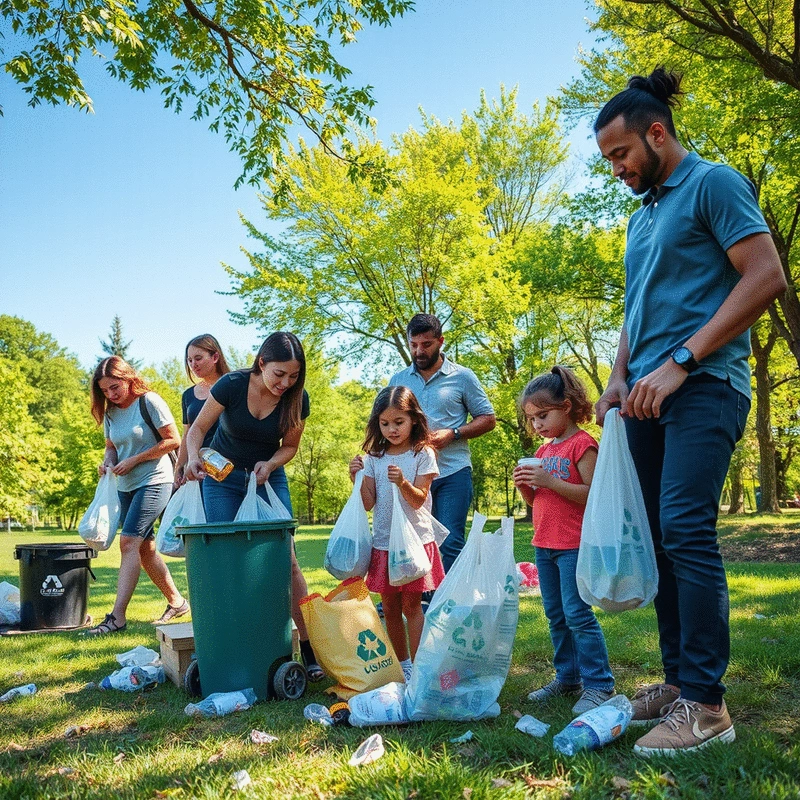
Organizing community cleanups can significantly reduce local plastic waste and promote community engagement.
Cities like Melbourne reduced plastic bag usage by 80% after implementing a ban.
Kamikatsu residents separate waste into 45 categories, achieving an impressive recycling rate!
Plastic pollution is more than just an eyesore; it poses a serious threat to our local communities and ecosystems. As an advocate for sustainable practices at Greener Suburbs, I've seen firsthand the impact of plastic waste on our environment. If we don’t act quickly, the consequences could be dire for our health and the places we love. For more strategies on smart waste management, check out our article on Suburban Strategies for Smart Waste.
Every year, millions of tons of plastic end up in our oceans, parks, and neighborhoods. This waste not only harms wildlife but also disrupts local ecosystems. As a community, understanding the urgency of reducing plastic use is vital for the future of our environment.
Plastic waste can devastate local wildlife, from birds to marine life. Animals often mistake plastic for food, leading to severe health issues and sometimes death. Additionally, the chemicals released from plastic can contaminate soil and water, adversely affecting plants and other organisms.
By reducing plastic use, we can protect the intricate balance of our local ecosystems. Imagine a thriving community where wildlife flourishes and our parks are clean, all because we made conscious choices to cut down on plastic!
Did you know that plastic waste can also affect our health? The chemicals in plastics can seep into the soil and water, eventually making their way into our food supply. This can lead to various health issues for both humans and animals, impacting overall public well-being. To learn more about how you can contribute to a healthier environment, consider organizing eco-friendly community cleanups in your area.
Taking steps to reduce plastic pollution directly benefits our health and well-being. By supporting cleaner practices and encouraging our neighbors to join us, we can lead healthier lives in cleaner environments.
Community action is crucial in the fight against plastic pollution. Together, we can create a movement that inspires change and promotes sustainability. At Greener Suburbs, I've witnessed how collective efforts can lead to meaningful results, from organizing community cleanups to advocating for local policies!
So, what can we do? Let’s come together to develop creative solutions that reduce plastic use and promote sustainability. When we unite as a community, we can inspire lasting change and foster a healthier environment for everyone!
According to a recent report by the United Nations, an estimated 11 million tons of plastic enter our oceans every year, which could triple by 2040 if current trends continue. This staggering statistic underscores the urgent need for community action in reducing plastic usage.
As communities, we're all working together to tackle the pressing issue of plastic waste. It’s natural to have questions about how to effectively implement plastic reduction initiatives. Let’s dive into some common inquiries that you might be pondering.
One of the most frequent questions is, how can communities effectively implement plastic bans? The journey often starts with engaging local governments and stakeholders to draft and pass relevant legislation. Additionally, raising awareness through campaigns can motivate residents to support and participate in these initiatives. Have you noticed how much easier it is to embrace change when we understand its benefits?
Learning from others can inspire our own efforts! Communities around the world are taking decisive actions to combat plastic waste, and it's exciting to see the results. For instance, cities like San Francisco and Seattle have implemented comprehensive bans on single-use plastics, leading to significant reductions in waste. For more insights on local recycling programs and their benefits, read about Local Recycling Programs and Community Benefits.
Here are a few notable examples that might spark your imagination:
Environmental organizations are vital allies in our quest for a greener community. They not only provide valuable resources and expertise but also help amplify our voices. At Greener Suburbs, we strive to collaborate with local organizations to strengthen our initiatives!
These groups contribute in several key ways:
By joining forces with these passionate advocates, we can build a stronger movement for sustainable change!
As we rally to fight plastic waste, creating resources that empower everyone is essential. This ensures that all community members can actively participate in sustainable practices. Let’s discuss how we can develop useful tools for local leaders and residents alike.
To drive effective change, community leaders need the right tools at their fingertips. A comprehensive toolkit can provide guidance and support for implementing local plastic reduction initiatives. But what should this toolkit include?
When we equip our leaders with the right resources, we empower them to engage the entire community!
Inclusivity is vital in our movement toward sustainability. It’s important to ensure that everyone feels welcomed and has the opportunity to participate. How can we achieve this?
By embracing inclusivity, we create a strong, united front in our quest for a greener future!
Sometimes, barriers arise that can prevent community members from joining in our plastic reduction efforts. Identifying these challenges is the first step in overcoming them.
By addressing these barriers head-on, we can ensure that everyone has a chance to contribute!
Citizen science projects can spark excitement and engagement in environmental stewardship. These initiatives allow community members to actively participate in data collection and research.
Imagine the pride of seeing our community come together to make a difference, fueled by knowledge and a shared commitment to sustainability!
Here are some frequently asked questions about plastic reduction efforts and the role of community action:
As we move forward, it’s important to reflect on our key strategies and inspire action among our community members. Together, we can create lasting change!
When we unite various stakeholders, from local governments to businesses and residents, we can amplify our impact. Collaboration fosters innovative ideas and sustainable solutions that benefit everyone.
Every resident has the power to make a difference! By inviting our neighbors to join plastic reduction efforts, we can build a vibrant, engaged community. Let’s take action together!
The more we engage, the stronger we become as a community!
Finally, let’s shine a light on the zero waste movement! This approach inspires individuals and communities to minimize waste and embrace sustainability. It’s all about making mindful choices! For more ideas on how to reduce waste and promote sustainability, explore Sustainable Tips for Suburban Living.
Imagine transforming our neighborhoods into shining examples of sustainability. Together, we can take steps towards a cleaner, greener future for everyone!
Here is a quick recap of the important points discussed in the article:
Clara Jennings is an environmental advocate and community organizer dedicated to promoting sustainable practices in suburban living. With a background in environmental science and years of experience in community engagement, Clara works passionately to inspire neighborhoods to embrace eco-friendly initiatives that enhance their surroundings and foster a sense of community.