Community Garden Start-Up Tips
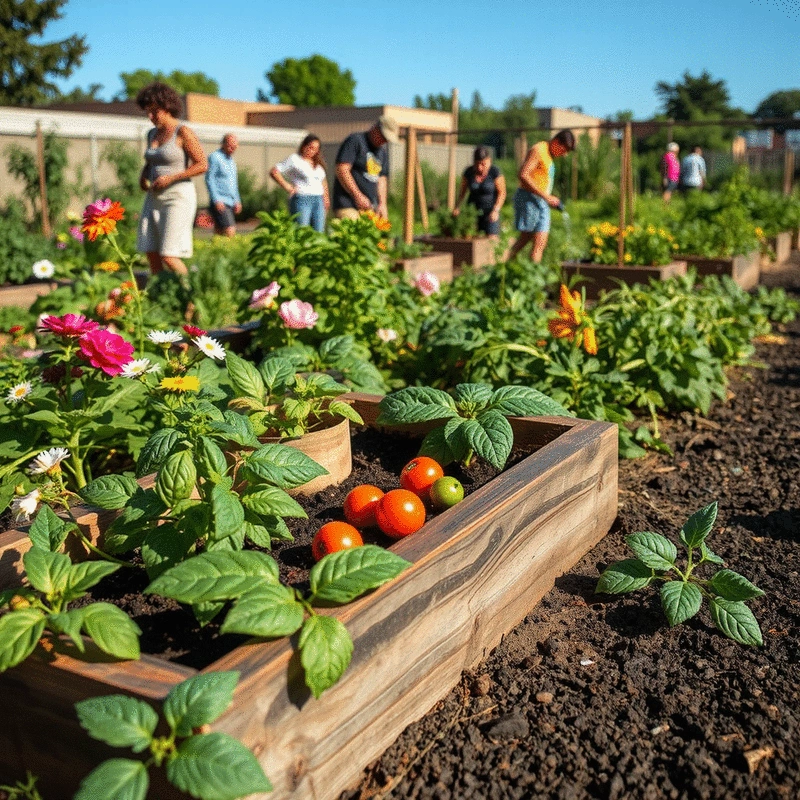
Did you know that community gardens can transform not just landscapes, but also the fabric of local neighborhoods? These vibrant spaces offer more than just fresh produce; they cultivate relationships, enhance food security, and promote sustainability. As we delve into the world of community gardens, you’ll discover their multifaceted benefits and how they can empower your community.
What You Will Learn
- Community gardens enhance social cohesion by bringing together residents from various backgrounds, fostering collaboration and teamwork.
- They promote environmental sustainability through local food production, reducing carbon footprints and encouraging organic gardening practices.
- Community gardens play a critical role in food security, providing access to fresh produce in food deserts and empowering residents to grow their own food.
- Encouraging community involvement is key; gathering feedback through surveys and discussions helps shape a garden that reflects the community's needs and desires.
- Sharing success stories and celebrating achievements can inspire greater participation and enhance community spirit around the garden.
- Collaborating with local gardening clubs and nonprofits can enrich the community gardening experience, offering valuable resources and support.
Benefits of Community Gardens
Community gardens contribute significantly to local communities across various areas, including engagement, sustainability, and food security. Below are some key benefits represented visually.
Social Engagement
- Encourages collaboration among neighbors.
- Offers workshops and events.
- Strengthens social ties.
Sustainability
- Reduces carbon footprint by growing food locally.
- Encourages organic gardening methods.
- Supports local wildlife and biodiversity.
Food Security
- Increases availability of fresh produce.
- Empowers residents to grow their own food.
- Encourages sharing excess produce.
Community Involvement
- Encourages feedback and participation.
- Hosts community events and discussions.
- Creates a sense of ownership.
Understanding the Benefits of Community Gardens for Local Communities
Have you ever strolled through a neighborhood and noticed a vibrant garden blooming with colorful flowers and fresh vegetables? These community gardens are not just beautiful; they play a crucial role in enhancing local communities. They serve as a hub where residents come together, fostering a sense of belonging and shared purpose. As an advocate for eco-friendly living through Greener Suburbs, I believe these gardens can be the heartbeat of neighborhoods, nurturing both the land and our connections with one another.
Imagine the joy of neighbors working side by side, planting seeds while sharing stories and laughter! Community gardens are fabulous for creating engagement and strengthening social bonds. When we cultivate a garden together, we’re not just growing plants; we’re cultivating friendships and a vibrant community spirit. So, let’s explore the incredible benefits they offer! For more insights into fostering green spaces, consider exploring how to start a community garden today.
Enhancing Community Engagement and Cohesion
Community gardens serve as a bridge, connecting people from diverse backgrounds. They provide a wonderful platform for residents to come together and collaborate, fostering a sense of unity. In these gardens, people share knowledge, skills, and resources, making them not just a physical space but a nurturing environment for relationships to blossom.
- Encourages collaboration and teamwork among neighbors.
- Offers workshops and events, bringing everyone together.
- Strengthens social ties and creates lasting friendships.
Additionally, community gardens can be a great way to engage younger generations. Children love getting their hands dirty, and by involving them in gardening activities, we teach them about nature and sustainability. What a great opportunity to inspire the next generation to appreciate and respect our environment!
Promoting Sustainability and Environmental Awareness
Community gardens are a fantastic way to promote sustainable practices in our neighborhoods. They encourage residents to think about where their food comes from and how to grow it responsibly. This hands-on experience not only raises awareness about environmental impact but also fosters a sense of stewardship for our community and the planet.
- Reduces the carbon footprint by growing food locally.
- Encourages the use of organic gardening methods.
- Provides a habitat for local wildlife, supporting biodiversity.
When we take care of the earth, we invest in our future. By embracing eco-friendly practices in our gardens, we can make a positive impact not just on our immediate surroundings but also on the global environment. It’s about nurturing the earth as it nurtures us! Discover effective suburban strategies for smart waste management to further enhance sustainability.
The Role of Community Gardens in Food Security
Food security is a pressing issue, and community gardens play a vital role in addressing it. By growing fresh produce locally, these gardens provide access to healthy food options, especially in areas known as food deserts. I’ve seen firsthand how a simple garden can transform a community’s access to nutritious meals.
- Increases the availability of fresh, organic fruits and vegetables.
- Empowers residents to grow their own food and reduce reliance on stores.
- Encourages sharing excess produce within the community.
When neighbors come together to grow food, they not only take control of their nutrition but also cultivate a sense of pride in their community. Together, we can create a food system that is equitable, sustainable, and supportive of one another’s needs.
Quick Summary
Here's a brief recap of the key points discussed so far:
- Community gardens enhance local engagement, bringing residents together and fostering social bonds.
- These gardens promote sustainability and environmental awareness, encouraging eco-friendly practices.
- They play a crucial role in addressing food security by providing access to fresh produce in underserved areas.
- Encouraging community involvement and feedback ensures that gardens reflect the needs and desires of all residents.
Frequently Asked Questions About Community Gardens
- Q: How do community gardens foster social cohesion?
- A: Community gardens bring residents from diverse backgrounds together for collaboration and teamwork, offering workshops and events that strengthen social ties and create lasting friendships.
- Q: What role do community gardens play in environmental sustainability?
- A: They promote sustainability by encouraging local food production, which reduces carbon footprints, and by advocating for organic gardening methods and supporting local wildlife and biodiversity.
- Q: How do community gardens contribute to food security?
- A: Community gardens increase the availability of fresh, organic produce, especially in food deserts. They empower residents to grow their own food, reducing reliance on stores, and encourage sharing excess produce within the community.
- Q: What are effective ways to encourage community involvement in a garden?
- A: Encouraging involvement can be done through active feedback gathering via surveys and discussions, hosting community events and workshops, and creating a sense of ownership among residents.
- Q: Why is sharing success stories important for community gardens?
- A: Celebrating achievements and sharing success stories, both big and small, helps maintain enthusiasm, inspires greater participation, and enhances community spirit around the garden.
Encouraging Community Involvement and Feedback
As we embrace the idea of community gardens, it’s essential to foster a sense of belonging and ownership among residents. One of the best ways to do this is by actively encouraging community involvement and feedback. Engaging residents in decision-making processes not only empowers them but also creates a garden that truly reflects the desires and needs of the community. Have you thought about how the voices of everyone can shape the future of your garden?
Utilizing tools like surveys and community discussions can be an effective way to gather opinions. These methods allow residents to express their thoughts and preferences about the garden and its operations. You can do this through:
- Online surveys shared via social media or community boards.
- Informal gatherings where people can discuss their ideas.
- Feedback boxes placed in the garden for ongoing input.
Gathering Opinions through Surveys and Discussions
Collecting feedback is not only about gathering information; it's about building relationships! Consider hosting community events or workshops where residents can come together to share their thoughts. These discussions can be lively and fun, sparking new ideas that may not have surfaced otherwise. Imagine the excitement as community members brainstorm together, all while sipping on refreshing lemonade!
Here are some engaging ways to facilitate these conversations:
- Host regular garden meetings open to all community members.
- Encourage participation through fun activities, like potlucks.
- Use ice-breaker questions to get everyone talking!
Sharing Success Stories and Lessons Learned
Celebrating achievements, no matter how small, is vital for maintaining enthusiasm. When we share success stories, we not only acknowledge our hard work but also inspire others to get involved. Think about it! Sharing how your community garden has blossomed can motivate neighbors to pitch in and help. You could create a bulletin board in the garden to showcase these stories, or post updates on social media. For more ways to engage your community, consider engaging residents in green initiatives.
Consider highlighting:
- Harvest successes and unique crops grown.
- Community events that brought neighbors together.
- Insights and lessons learned from challenges faced.
Collaboration with Local Gardening Clubs and Nonprofit Organizations
Working alongside local gardening clubs and nonprofit organizations can take your community garden to new heights! These groups often have valuable resources, knowledge, and connections that can benefit your garden. Plus, collaborating fosters a sense of unity within the community as you all work toward a common goal.
Here are some ways to establish these partnerships:
- Reach out to local gardening clubs for workshops or mentorship.
- Invite nonprofits to participate in community events.
- Share resources, such as tools and seeds, to support each other.
Final Thoughts and Next Steps for Aspiring Community Gardeners
Starting a community garden is an exciting journey filled with possibilities! By embracing community involvement and feedback, you can create a space that truly reflects the heart of your neighborhood. So, what are you waiting for? It’s time to gather your neighbors, share ideas, and turn your vision into reality!
To help you get started, check out the resources available at Greener Suburbs. We have downloadable templates and guides that can set you on the right path to a flourishing garden. Let’s plant the seeds of change together! You can also find inspiration by learning about joining our eco-friendly cleanup efforts.
Recap of Key Points
Here is a quick recap of the important points discussed in the article:
- Enhancing Community Engagement: Community gardens foster collaboration, teamwork, and lasting friendships among residents.
- Promoting Sustainability: These gardens encourage organic practices, reduce carbon footprints, and support local biodiversity.
- Addressing Food Security: Community gardens provide access to fresh produce, empowering residents to grow their own food.
- Encouraging Community Involvement: Engaging residents in decision-making ensures the garden reflects the community's needs and desires.
- Gathering Feedback: Utilizing surveys, discussions, and community events helps collect valuable input for garden improvements.
- Sharing Success Stories: Celebrating achievements motivates participation and inspires others to join the gardening efforts.
- Collaborating with Local Organizations: Partnerships with gardening clubs and nonprofits provide resources and strengthen community ties.

Clara Jennings
Clara Jennings is an environmental advocate and community organizer dedicated to promoting sustainable practices in suburban living. With a background in environmental science and years of experience in community engagement, Clara works passionately to inspire neighborhoods to embrace eco-friendly initiatives that enhance their surroundings and foster a sense of community.
Popular Posts
Build Your Community Food Network
![Build Your Community Food Network]() What if your community could eliminate hunger and strengthen bonds among neighbors? Community food-s
What if your community could eliminate hunger and strengthen bonds among neighbors? Community food-s
 What if your community could eliminate hunger and strengthen bonds among neighbors? Community food-s
Low-Waste Weekly Shopping Tips
![Low-Waste Weekly Shopping Tips]() Have you ever considered how the simple act of shopping can significantly impact our environment? Ad
Have you ever considered how the simple act of shopping can significantly impact our environment? Ad
 Have you ever considered how the simple act of shopping can significantly impact our environment? Ad
Create Habitats with Local Volunteers
![Create Habitats with Local Volunteers]() Did you know that approximately one-third of the food we consume relies on pollinators like birds an
Did you know that approximately one-third of the food we consume relies on pollinators like birds an
 Did you know that approximately one-third of the food we consume relies on pollinators like birds an
Organize Your Neighbourhood Tree Planting
![Organize Your Neighbourhood Tree Planting]() Consider this: a single tree can absorb over 48 pounds of carbon dioxide each year, significantly c
Consider this: a single tree can absorb over 48 pounds of carbon dioxide each year, significantly c
 Consider this: a single tree can absorb over 48 pounds of carbon dioxide each year, significantly c
