Environmental Benefits
- Reduced pollution and better management of natural resources.
- Increased biodiversity through more green spaces.
The transformations taking place in our suburbs are not just about aesthetics; they are about creating sustainable communities that enrich our lives and the environment. As we embark on this journey, consider the potential of eco-friendly practices to reshape our neighborhoods and contribute to a healthier planet.
Eco-friendly suburban transformations lead to significant environmental, economic, and social benefits. Below are some of the crucial advantages represented visually for clarity.
- Reduced pollution and better management of natural resources.
- Increased biodiversity through more green spaces.
- Increased property values and energy efficiency savings.
- Boosted local business revenue from community appeal.
- Stronger community ties through engagement and initiatives.
- Improved quality of life and health outcomes.
- Enhanced satisfaction and trust in local government efforts.
- Contribution to global sustainability goals.
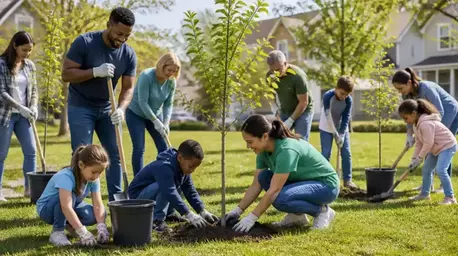
When we think about our suburbs, we often envision tree-lined streets, friendly neighbors, and a sense of community. What if we could enhance this image even more by embracing eco-friendly transformations? At Greener Suburbs, we believe that turning our neighborhoods into greener, healthier spaces is not just a dream; it’s a reality we can create together! Let's explore how we can make these transformations meaningful, perhaps by joining eco-friendly cleanup efforts.
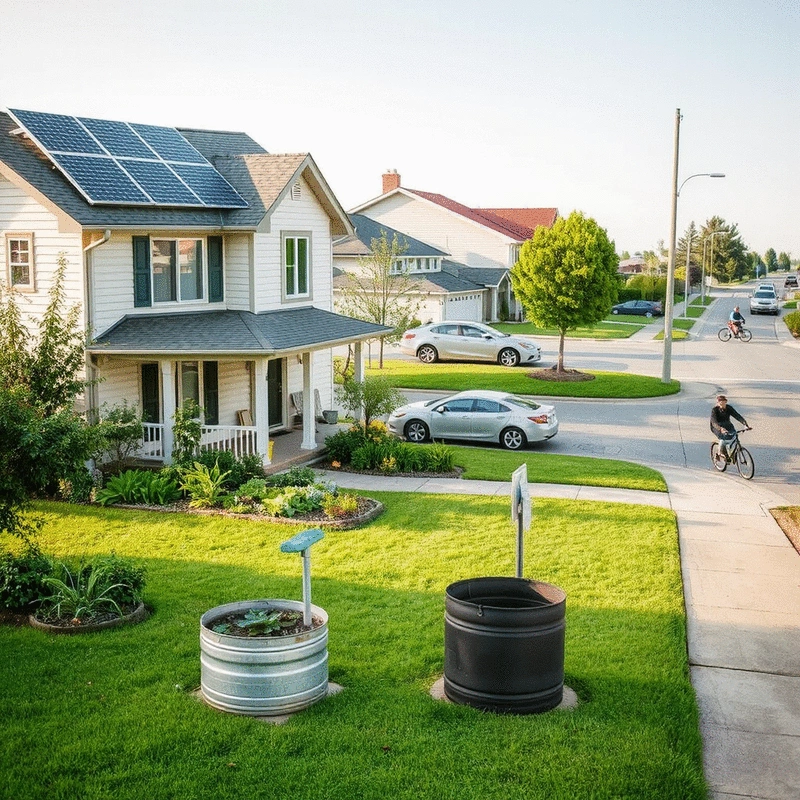
Eco-friendly suburban transformations are all about making our neighborhoods more sustainable. This includes adopting practices that reduce waste, increase green spaces, and promote recycling. It’s about ensuring that our communities thrive while protecting the environment around us. Have you ever wondered what success looks like in a sustainable neighborhood?
Success in sustainable neighborhoods can be measured in various ways, including:
By focusing on these key areas, we can create neighborhoods that not only look good but also function well. Isn’t it exciting to think about the possibilities?
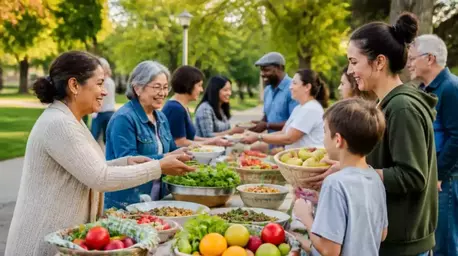
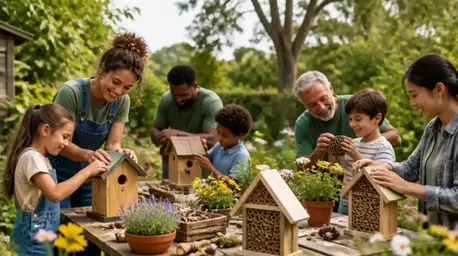
Community engagement is at the heart of making sustainable transformations successful. When residents come together, they can share ideas, resources, and efforts. Imagine organizing a neighborhood cleanup or a community garden day—these activities not only beautify our surroundings, but they also foster connections between neighbors!
Some effective strategies for community engagement include:
Engaging the community makes everyone feel included and invested in the outcome. It’s like a big family working toward a common goal—making our suburbs greener and more vibrant! For more ideas, check out our guide on sustainable tips for suburban living.
So, why are these transformations significant? Sustainable urban renewal plays a crucial role in improving our environment, economy, and social well-being. By embracing eco-friendly practices, we can create neighborhoods that are not just livable but enjoyable!
The benefits of sustainable urban renewal are far-reaching:
These benefits work together to create a healthier, happier community. Isn’t it wonderful to think that our efforts can lead to such positive changes?
As we focus on our local neighborhoods, it’s important to remember that these transformations can also align with global sustainability goals. By adopting eco-friendly practices, we contribute to a larger movement toward a sustainable future. Are you ready to take part in this journey?
Incorporating sustainability into our suburban development can help us contribute to:
Every little effort counts! By making sustainable choices, we can make a global impact right from our own backyards. Learn more about suburban strategies for smart waste management.
Green building practices are essential to achieving eco-friendly transformations in our suburbs. These practices focus on designing and constructing buildings that are environmentally responsible and resource-efficient. But what’s this about LEED certification? Let’s dive in!
Green building standards are guidelines that ensure construction processes minimize environmental impacts. This means using sustainable materials, reducing energy consumption, and enhancing indoor air quality. LEED (Leadership in Energy and Environmental Design) is a widely recognized certification system that sets these standards.
Some key principles of green building include:
By adopting these standards, we can make our homes more sustainable and enjoyable!
Achieving LEED certification brings a host of benefits for eco-friendly developments:
Isn’t it amazing to know that we can enhance our neighborhoods through sustainable building practices? Let’s work together to make these transformations a reality!
We want to hear from you! How do you feel about the eco-friendly transformations happening in your suburb? Select one of the options below:
When we talk about eco-friendly suburban transformations, measuring success goes beyond just looking at the green spaces we’ve created. It’s about understanding the tangible benefits that emerge from these initiatives. By analyzing cost-benefit outcomes, we can assess both the financial investments and the social improvements that result from our efforts.
At Greener Suburbs, we believe that every project we undertake should be evaluated not only for its immediate results but also for its long-term impact on our community. This involves looking at metrics that showcase environmental and social changes, so we can continuously refine our approach and ensure we're making a real difference.
Financial investments in sustainable projects can often seem daunting at first. However, it’s essential to recognize the potential returns on investment these projects can yield. Sustainable initiatives can lower utility costs, increase property values, and promote healthier lifestyles, which can significantly enhance community well-being.
Here are some aspects to consider when analyzing cost-benefit outcomes:
By keeping track of these metrics, we can demonstrate the value of our eco-friendly efforts, making it easier to gain support from local residents and stakeholders.
As we see success in our local initiatives, it’s crucial to consider how we can adapt these transformations to different contexts. Each neighborhood has its unique challenges, but by creating a replication toolkit for local governments, we can share best practices that inspire other communities to take action.
Here are some key elements to include in this toolkit:
With these tools in hand, communities can more easily embark on their sustainability journeys, enriching their environments while fostering a collaborative spirit. For more on sustainability, consider eco-friendly suburban home tips.
Assessing the long-term outcomes of our eco-friendly projects is vital for understanding their true impact. Environmental impact assessments (EIAs) allow us to gauge how our initiatives affect biodiversity, air quality, and overall ecological health in our neighborhoods.
Here are some tools and techniques we can use for accurate measurements:
By continuously evaluating our projects, we can not only celebrate our successes but also learn from our experiences to drive future improvements.
Here are some frequently asked questions about eco-friendly suburban transformations:
To wrap it all up, the journey of transforming our suburbs into eco-friendly havens requires dedication, collaboration, and a focus on measurable success. Throughout this process, it's crucial to engage our community and foster relationships built on trust and shared goals. Our initiatives at Greener Suburbs reflect this commitment, showcasing that together, we can create vibrant, sustainable living environments.
As we look ahead, I encourage every reader to think about how they can contribute. Your voice is essential! Let’s explore how we can continue to innovate and share our successes in sustainable development, making our communities stronger and greener.
Are you ready to join the movement? I invite you to engage with local eco-friendly initiatives. Whether it’s participating in community cleanups, starting a composting project, or simply spreading the word, every action counts!
And don’t forget to share your stories! Have you seen a positive change in your neighborhood due to eco-friendly practices? Your experiences can inspire others and help us all work towards a greener future. Let's come together to make our suburbs the best they can be, one project at a time! Consider delving into starting your community green initiative for more inspiration.
Here is a quick recap of the important points discussed in the article:
Clara Jennings is an environmental advocate and community organizer dedicated to promoting sustainable practices in suburban living. With a background in environmental science and years of experience in community engagement, Clara works passionately to inspire neighborhoods to embrace eco-friendly initiatives that enhance their surroundings and foster a sense of community.