Waste Diversion Rate
Percentage of waste that is diverted from landfills through recycling and composting initiatives.
Have you ever thought about how your suburban neighborhood could become more sustainable? The journey to creating a thriving community while respecting the environment begins with understanding the unique challenges and opportunities we face. Let’s explore some essential insights that can guide us toward making impactful changes.
Measuring the impact of sustainability initiatives involves several crucial indicators. Below are key performance indicators that illustrate the effectiveness of suburban sustainability efforts. To learn more about effective waste management, consider exploring suburban strategies for smart waste.
Percentage of waste that is diverted from landfills through recycling and composting initiatives.
Number of volunteer hours contributed by community members to sustainability projects.
Reduction in energy consumption as a result of implemented sustainability practices.
Statistics on water usage reduction achieved through sustainable landscaping and practices.
Suburban sustainability is about creating communities that thrive while respecting the environment. It's essential to recognize the unique challenges and opportunities these areas face. From managing resources efficiently to fostering a sense of community, we can find ways to improve our suburban landscapes. At Greener Suburbs, we believe that understanding these dynamics is crucial for making lasting changes in our neighborhoods.
When we talk about suburban sustainability, we’re often faced with varying definitions and expectations. Different communities have different needs, and it’s important to consider factors like infrastructure, transportation, and local ecosystems. One of the main challenges is balancing development with nature, ensuring we don’t sacrifice green spaces for new homes or businesses.
However, with challenges come exciting opportunities! By adopting sustainable practices, communities can create healthier environments. Think about how we can:
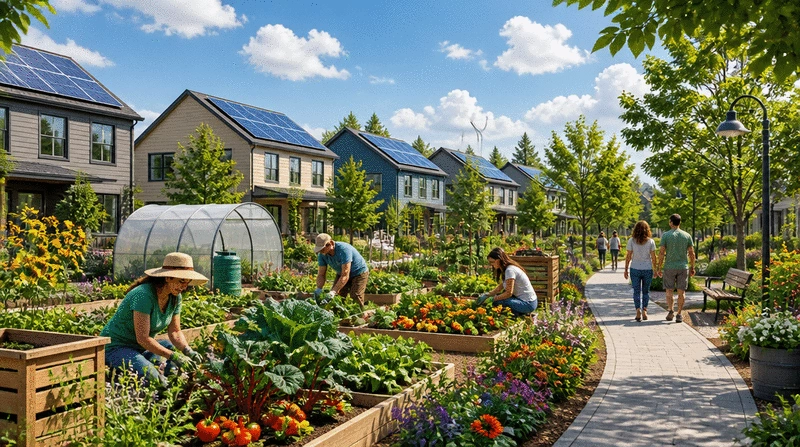
Sustainable communities prioritize the well-being of their residents while protecting the planet. This concept encourages collaboration among residents, local businesses, and government agencies to create a shared vision. Imagine our neighborhoods transformed with vibrant gardens, clean parks, and accessible public spaces that invite people to come together! At Greener Suburbs, we strive to illustrate the possibilities of sustainable living through concrete examples. For tips on how to live more sustainably, check out our guide on sustainable tips for suburban living.
Building sustainable communities requires understanding these key components:
Local action frameworks are essential for guiding suburban development toward sustainability. These frameworks provide a roadmap for communities to follow, incorporating best practices for environmental stewardship. Engaging residents in this process is vital, as it allows their voices to shape the future of their neighborhoods. This collaborative approach can lead to innovative solutions tailored to the specific needs of each area.
At Greener Suburbs, we emphasize the importance of creating frameworks that focus on:
Real-world examples are crucial for illustrating what works in suburban sustainability. By looking at successful case studies, we can identify effective strategies that inspire others to follow suit. It’s like having a toolkit filled with proven methods to enhance our communities! When we share stories of triumph, we motivate our neighbors to join the movement.
Some of the key benefits of examining case studies include:
Case studies serve as tangible evidence of how various strategies can lead to sustainable outcomes. By showcasing these examples, we can encourage dialogue and inspire action in our communities. For instance, take a moment to think about the neighborhoods that have successfully implemented green initiatives. What can we learn from their experiences? Sharing these stories helps build a collective understanding of what sustainability can look like.
Key elements of successful case studies often include:
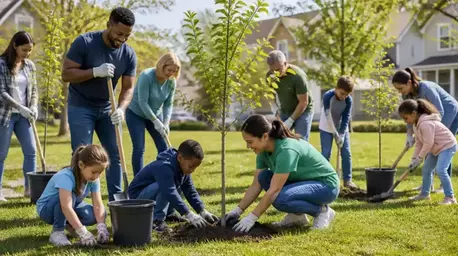
Community-led initiatives are vital for driving sustainable change in suburban areas. These efforts often arise from grassroots movements and can lead to significant improvements in local quality of life. As residents come together, they can advocate for necessary planning reforms that prioritize sustainability. This is where the heart of our mission at Greener Suburbs lies—empowering individuals to take action! Learn more about starting a community garden today.
Some common features of successful community-led initiatives include:
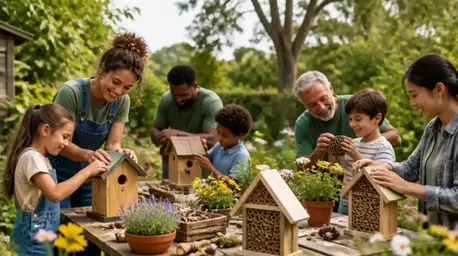
Did you know? Engaging local schools in sustainability projects can foster a culture of environmental stewardship among young residents. Programs that involve students in community gardens or recycling initiatives not only educate them about sustainability but also empower them to be proactive in their neighborhoods!
To truly understand how we are making a difference in our communities, we need to look closely at the impact of our suburban sustainability projects. At Greener Suburbs, we believe that measurement is key. By evaluating our initiatives, we can gauge their success and identify areas for improvement, ensuring we remain on the right path toward a greener future. So, how do we do this?
One effective way is by using data to compare conditions before and after implementing these projects. By measuring key performance indicators (KPIs), we can gather solid evidence of progress. Examples of KPIs we focus on include reductions in waste, increases in recycling rates, and improvements in community engagement. Does your community have a success story to share? Let’s explore how others have measured their achievements!
When we look at the impact of sustainability initiatives, one of the most enlightening methods is to examine the before and after scenarios. By collecting relevant data prior to the project launch, we can create a baseline against which we can measure improvements. This not only highlights our progress but also motivates others to take part!
Visual evidence also plays a crucial role in understanding the impact of our efforts. We can use maps, charts, and photographs to showcase the changes in our neighborhoods. Imagine transforming a previously empty lot into a vibrant community garden! These visuals not only tell our story but inspire others to join the movement.
In measuring success, we rely on some essential KPIs that help us evaluate the effectiveness of our initiatives. These indicators guide us as we strive to make meaningful changes in our suburban communities. Here are a few KPIs that Greener Suburbs focuses on:
Visual representations can significantly enhance our understanding of project impacts. By presenting data graphically, we can easily convey the outcomes of our initiatives to the community. Maps can show improved green spaces, while charts can illustrate changes in recycling rates over time. Collectively, these visuals tell a compelling story of our commitment to sustainability!
As we look to the future, it’s important to think about practical steps for implementing new sustainability initiatives in our suburban areas. Greener Suburbs emphasizes careful planning to ensure successful outcomes. This means creating detailed budgets and timelines that guide us through the process.
In addition, sharing lessons learned from our projects can help other communities replicate successful strategies. Imagine the power of spreading best practices! We can empower others by showcasing what works, making it easier for them to implement their own sustainability initiatives.
A well-structured approach is essential for the effective implementation of sustainability initiatives. Each project should have a clear budget that outlines the necessary funds, as well as a timeline that ensures we stay on track. Additionally, governance models help define roles and responsibilities, ensuring everyone involved knows their part in achieving our sustainability goals.
As we share our experiences, we can inspire others to take action in their own neighborhoods. By documenting our successes and challenges, we create a roadmap for other communities to follow. What valuable lessons have we learned along the way? Let’s explore how collaboration with other local groups can amplify our efforts!
Integrating environmental policies is vital for long-term sustainability in suburban areas. By aligning our local governance with climate action plans, we ensure that sustainability becomes a core aspect of our community development. At Greener Suburbs, we advocate for policies that support eco-friendly practices and encourage residents to participate actively. For more on how to get involved, consider joining our eco-friendly cleanup efforts.
For our suburban communities to thrive, it’s essential to integrate climate action plans into local governance. This means involving residents in the development of these plans and ensuring their voices are heard. We can foster collaboration between the government and community members to create strategies that reflect our shared values and goals!
Local governments play a crucial role in driving sustainability efforts. By adopting best practices, they can lead the way in implementing eco-friendly initiatives. This includes offering incentives for green projects, supporting local businesses, and investing in sustainable infrastructure. Together, we can create a brighter future for our suburbs!
As we move forward, the future of suburban sustainability looks promising! Our collective efforts can lead to the development of sustainable housing and eco-districts, which prioritize environmental health and community well-being. Imagine living in a neighborhood where sustainability is woven into the very fabric of daily life! Explore more ideas on starting your community green initiative.
By enhancing our community resilience through local food systems, we create a more sustainable future for everyone. Together, we can build neighborhoods that not only nurture our environment but also our relationships with one another. Let’s take the steps together, paving the way for a greener tomorrow!
Here is a quick recap of the important points discussed in the article:
Clara Jennings is an environmental advocate and community organizer dedicated to promoting sustainable practices in suburban living. With a background in environmental science and years of experience in community engagement, Clara works passionately to inspire neighborhoods to embrace eco-friendly initiatives that enhance their surroundings and foster a sense of community.