Educational Content Reach
Informative posts about waste reduction can reach over 10,000 users per campaign.
Social media has become a powerful ally in the quest for environmental advocacy, transforming how communities engage in cleanups and sustainability. Each post, tweet, or story can amplify our voices and inspire collective action, creating a ripple effect that extends far beyond initial outreach.
Social media has transformed the way community cleanups are organized and executed. Below are key statistics showing its impact.
Informative posts about waste reduction can reach over 10,000 users per campaign.
The use of hashtags can increase event participation by up to 40%.
Live updates during cleanups motivate an additional 25% of viewers to participate.
User-shared photos from events can boost community involvement by 30%.
Social media plays a pivotal role in shaping how we engage with environmental advocacy today. At Greener Suburbs, I’ve witnessed firsthand how platforms like Facebook and Instagram can amplify our messages and rally support for community cleanups. By harnessing the power of social media, we can not only raise awareness but also inspire others to take action in their own neighborhoods!
Through strategic posts and engaging content, we can create a ripple effect that promotes eco-friendly practices. It’s amazing to think that a single post can reach thousands of people, encouraging them to join us in our mission to cultivate sustainable suburban living. So, how does social media act as a catalyst for change? Let’s dive in!
Social media serves as a megaphone for environmental advocacy, connecting like-minded individuals and organizations. It’s a place where we can share tips, successes, and even challenges faced along the way. By using our platforms effectively, we can build a community of passionate advocates ready to tackle sustainability issues together!
One of the key elements of our outreach is raising awareness through campaigns that highlight the importance of clean environments. Here are some ways social media can contribute:
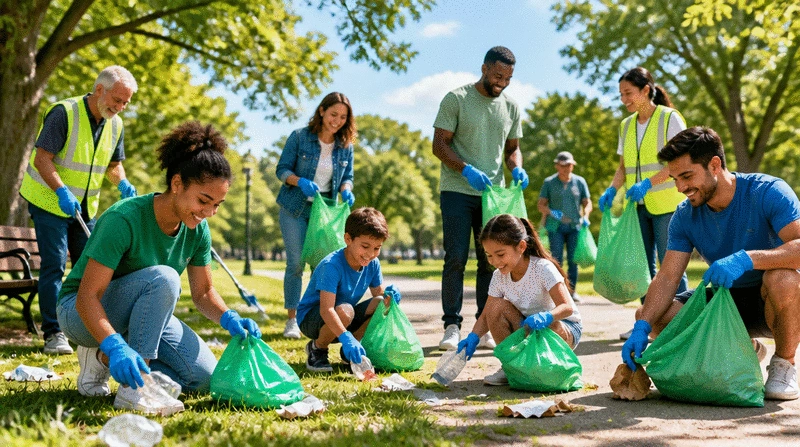
Social media has transformed how we organize community cleanups. It serves as an instant communication tool that can quickly mobilize volunteers for an event. Just think about it: with a few taps on our phones, we can create an event page, invite friends, and spread the word to our neighbors!
Moreover, platforms like Instagram allow us to share real-time updates during cleanups, showing the progress we’re making. This level of transparency fosters a sense of accountability and motivates others to participate. After all, who wouldn’t want to be part of something impactful, right?
Awareness campaigns are vital to the success of our cleanup initiatives. They not only inform the community about the events but also highlight the significance of keeping our environment clean. By leveraging social media for these campaigns, we can reach a broader audience and increase participation.
Here are a few effective awareness strategies:
One of the biggest advantages of social media is its ability to mobilize volunteers. Each platform offers unique features that can effectively connect us with people eager to lend a hand. When we share our cleanup events on social media, we’re not just inviting participation; we’re building a movement!
As part of our outreach at Greener Suburbs, we make sure to utilize creative hashtags and community challenges that resonate with local residents. This way, we’re not just spreading the word but also encouraging friendly competition and engagement.
Hashtags are a powerful tool for promoting our cleanup initiatives. They help categorize posts and make them easily discoverable by others interested in our cause. By creating a catchy, specific hashtag for our events, we encourage participants to share their own experiences and connect with one another.
Here are some popular hashtags we might use:
User-generated content is a treasure trove for our cleanup initiatives! When participants share photos and stories from their experiences, it not only showcases the impact of our efforts but also encourages others to join us. This kind of content fosters community spirit and strengthens our collective commitment to a cleaner environment.
Additionally, we can repost and celebrate these contributions, giving credit to the community members who help bring our vision to life. It’s a win-win situation that makes everyone feel involved and valued!
Did you know? Engaging with local influencers or community leaders on social media can significantly amplify your cleanup efforts. Their endorsement can inspire their followers to join your initiatives, creating a broader impact and fostering a stronger community spirit!
A: Social media platforms enable quick communication, event creation, and broad outreach, allowing organizers to efficiently mobilize volunteers and spread awareness about cleanup events and their importance.
A: Effective strategies include sharing educational content, creating awareness campaigns, using emotional storytelling, employing creative visuals, engaging videos, and featuring local testimonials to connect with the audience.
A: Hashtags categorize posts and make them discoverable, while challenges foster engagement and friendly competition, encouraging more people to participate and share their experiences.
A: Before-and-after photos provide visual proof of the positive impact of cleanup efforts, showcasing the transformation and motivating both current volunteers and potential participants.
A: Momentum can be maintained through post-event reporting, sharing impact reports, using social media for ongoing discussions, polls, and educational content, and utilizing online forums, blogs, and podcasts for continuous engagement.
After a successful cleanup event, it's important to keep the momentum going! At Greener Suburbs, we know that the excitement shouldn't stop once the trash bags are full and the park looks pristine. The key to long-term success lies in actively engaging the community and showcasing the results of our efforts. Let’s explore how we can sustain interest and encourage ongoing environmental advocacy!
One effective way to maintain engagement is through post-event reporting. Sharing the impact of our cleanups helps to keep community members connected to our mission. By highlighting the positive changes made, we can inspire others to participate in future events and initiatives.
Reporting results is an excellent way to sustain community interest after a cleanup event! Here are some ways to share those results:
Using before-and-after photos is another powerful way to showcase the change brought about by our community cleanups. These images tell a compelling story, illustrating the positive impact we make together in our neighborhoods.
Visual storytelling is a strong tool in maintaining momentum. Consider these tips for effectively using photos:
When we show the tangible results of our work, it not only keeps our volunteers motivated but also encourages others to join in on our next cleanup event.
Social media isn't just for announcing upcoming events—it's also a fantastic platform for ongoing advocacy! At Greener Suburbs, we can use these platforms to engage our audience in continued environmental issues that matter. Here’s how:
By fostering an ongoing dialogue, we can cultivate a sense of community connection and shared purpose that extends beyond individual events. For more ideas on how to keep your community engaged, check out our tips on engaging residents in green initiatives.
Encouraging a robust dialogue is essential for maintaining interest in environmental matters. Here are some strategies to foster these connections:
By actively participating in these discussions, we strengthen our community ties and bolster our collective commitment to a cleaner, greener future!
Online forums and blogs provide a fantastic platform for ongoing engagement within our community. Greener Suburbs can create dedicated spaces for residents to discuss, share, and learn about environmental topics. Here’s how to make the most of these tools:
This not only nurtures ongoing engagement but also builds a sense of ownership among community members in our environmental efforts.
In our fast-paced world, podcasts and newsletters can be incredibly effective ways to promote environmental education. Consider these tips for leveraging these platforms:
By utilizing these tools, we can keep the conversation about sustainability alive and inspire even more community action!
Here is a quick recap of the important points discussed in the article:
Clara Jennings is an environmental advocate and community organizer dedicated to promoting sustainable practices in suburban living. With a background in environmental science and years of experience in community engagement, Clara works passionately to inspire neighborhoods to embrace eco-friendly initiatives that enhance their surroundings and foster a sense of community.