Enhancing Biodiversity
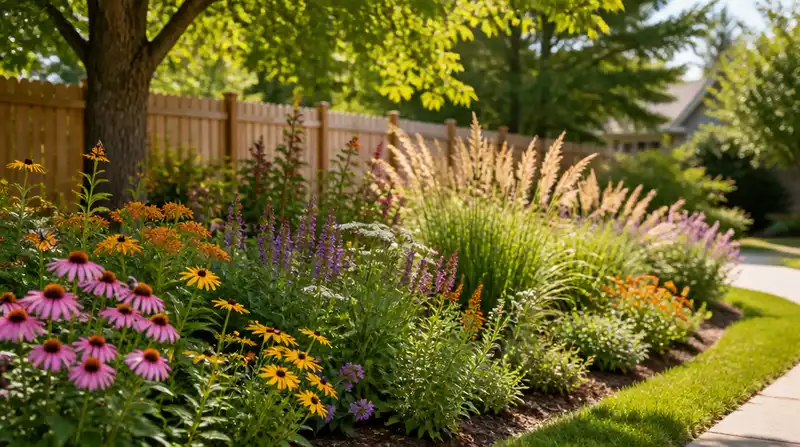
Native plants attract a variety of species, promoting a vibrant ecosystem and supporting wildlife.
Did you know that incorporating native plants into your landscaping can significantly enhance local biodiversity and reduce maintenance efforts? This article explores the vital role these ecological heroes play in our suburban environments, offering compelling reasons to embrace them in our gardens.
Explore the significant advantages of integrating native plants into your landscaping, which enhance both the environment and your local community. For more insights on how to foster a greener environment, consider adopting sustainable tips for suburban living.
Native plants attract a variety of species, promoting a vibrant ecosystem and supporting wildlife.
They provide essential food and shelter for pollinators like bees and butterflies, enriching local habitats.
Once established, native plants require minimal care, saving time and resources for homeowners.
They improve soil quality and help sequester carbon, playing a key role in combating climate change.
Native plants can help keep harmful invasive species at bay, restoring ecosystem balance.
When we think about enhancing our suburban yards, native plants often come to mind—but what exactly does that mean? Native plants are species that naturally grow in a specific region and have evolved alongside local wildlife. They play a vital role in our ecosystems by supporting diverse plant and animal life and promoting ecological balance. By incorporating these plants into our landscaping, we can create beautiful spaces that are in harmony with nature!
One of the most significant benefits of using native plants is their ecological importance. They provide food and shelter for various wildlife, helping to maintain the local biodiversity that makes our communities vibrant and resilient. Imagine your yard buzzing with bees and butterflies, all thanks to the plants that thrive naturally in your area!
Defining native plants is the first step in understanding their values. These plants have adapted to the climate, soil, and other environmental conditions of their regions over thousands of years. This adaptation means they are often more resilient and require less care than non-native species. They help create a balanced ecosystem by supporting the insects, birds, and other wildlife that rely on them for survival.
Moreover, native plants contribute to soil health and reduce water runoff, which is crucial in urban areas prone to flooding. By planting native species, we can significantly reduce the need for chemical fertilizers and pesticides, leading to healthier local waterways! This approach aligns well with broader community actions for sustainable living.
When we plant native species, we are not just beautifying our yards; we are enhancing biodiversity in our neighborhoods. Native plants provide essential habitats for various wildlife, helping to create a thriving ecosystem. A diverse landscape not only supports wildlife but also improves the overall health of our environment.
Some ways native plants boost biodiversity include:
Have you ever noticed a lack of butterflies in your garden? This could be due to the absence of native plants that provide essential food and shelter. Native plants are specifically adapted to support local wildlife, from nectar-rich flowers for pollinators to dense shrubs for nesting birds. By incorporating these plants into our yards, we can create inviting spaces that support life!
Here’s why we should all consider planting native species:
One of the best-kept secrets about native plants is their low maintenance nature! They are well-suited to survive in our local climate, which means less watering, weeding, and fussing over their care. This not only saves us time but also helps conserve precious water resources.
Additionally, native plants' deep root systems improve soil structure and moisture retention. This means less watering for you and a more sustainable approach to landscaping. Talk about a win-win!
Native plants are champions of soil health! Their extensive root systems help to stabilize the soil, prevent erosion, and promote nutrient cycling. They also contribute to carbon sequestration, which is essential for combating climate change. By planting native species, we actively participate in an effort to enhance the health of our planet. This commitment to environmental well-being extends to broader efforts like suburban strategies for smart waste management.
Some benefits of good soil health include:
Invasive species can wreak havoc on our local ecosystems, often outcompeting native plants and disrupting food chains. By planting native species, we can help combat these invaders and restore a healthy balance to our landscapes. Native plants are naturally better equipped to thrive in our surroundings, making them a key player in ecosystem restoration!
When we use native plants, we play a crucial role in:
At Greener Suburbs, we believe in the power of native plants to rejuvenate our communities! By embracing these plants in our landscaping, we contribute to a healthier environment, enrich our neighborhoods, and promote lasting connections among our residents. Are you ready to start your journey toward a more sustainable and beautiful suburban landscape? Let's dive into native landscaping together!
Did you know? Incorporating a variety of native plants not only enhances the aesthetic appeal of your yard but also creates a more resilient ecosystem. For example, planting a mix of flowering plants, grasses, and shrubs can provide year-round interest and support a wider range of wildlife. Consider adding plants that bloom in different seasons to attract pollinators throughout the year!
As we wrap up our exploration of native plants, it’s clear that these ecological heroes are more than just pretty additions to our yards. They play a vital role in enhancing biodiversity, supporting local wildlife, and reducing our water usage! Remember, incorporating native plants into your suburban landscape not only beautifies your home but also contributes to a healthier environment for everyone.
We’ve discussed how these plants contribute to soil health, combat invasive species, and require less maintenance than traditional landscaping. The benefits are compelling! Whether you’re creating a butterfly garden or simply looking to make your yard more eco-friendly, native plants offer an effective solution.
Let’s quickly recap the key benefits of using native plants in your landscaping. Here’s what we’ve learned:
To get started with your native landscaping journey, evaluate your yard and select suitable plants for your climate and soil conditions. You can create a beautiful garden that reflects your commitment to sustainability while enjoying the numerous benefits these plants provide!
So, are you ready to embrace the beauty and benefits of native plants? I encourage you to take that first step! Visit your local nursery, find native plants that resonate with you, and start transforming your yard into a lush habitat that supports local wildlife and conserves water. This journey is similar to other community efforts, such as joining eco-friendly cleanup efforts in your neighborhood.
Imagine how rewarding it will be to watch your garden grow while knowing you’re making a positive impact on the environment! Together, we can create a community of eco-conscious homeowners who cherish our suburban landscapes.
To help you along the way, here are some fantastic resources where you can learn more about native gardening:
These resources will guide you in making informed choices for your native landscaping. Let’s work together to create a greener, healthier community right in our own backyards! You might also find inspiration from sustainable gardening tips for suburbs.
Here is a quick recap of the important points discussed in the article:
Clara Jennings is an environmental advocate and community organizer dedicated to promoting sustainable practices in suburban living. With a background in environmental science and years of experience in community engagement, Clara works passionately to inspire neighborhoods to embrace eco-friendly initiatives that enhance their surroundings and foster a sense of community.