Cost-Effective
Save money by borrowing instead of buying, allowing access to necessary tools without the financial burden.
Explore the various advantages that a neighborhood tool-sharing library offers to enhance community living.
Save money by borrowing instead of buying, allowing access to necessary tools without the financial burden.
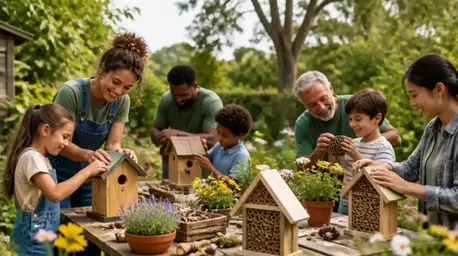
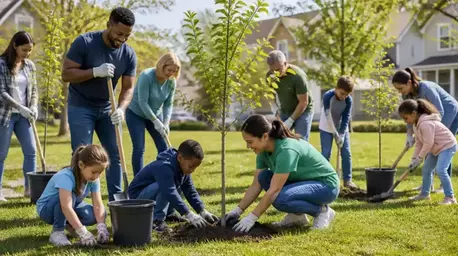
Strengthen neighborly connections through shared resources, fostering collaboration and friendships.
Reduce waste and promote sustainability by sharing tools, decreasing the demand for new products.
Learn from one another while working on projects, enhancing skills and knowledge within the community.
Imagine a place where your neighbors can borrow tools instead of buying them, fostering a sense of community while promoting sustainability! That’s the magic of a neighborhood tool-sharing library. It’s not just about tools; it’s about building connections and enhancing our suburban life through shared resources. Let’s dive into what a tool-sharing library is all about and how it can benefit our community!
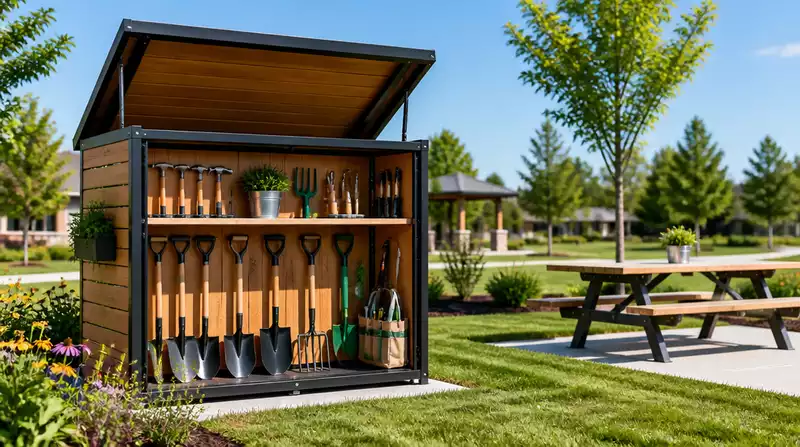
A neighborhood tool-sharing library is a community resource where residents can lend and borrow tools instead of purchasing them outright. This library operates on the principle of sharing, allowing everyone to access tools for projects, repairs, or gardening without the burden of ownership. Imagine being able to borrow a lawnmower for the weekend or a power drill for a home improvement project—this library makes it possible! The purpose of such a library extends beyond merely saving money; it promotes a culture of sharing and strengthens community ties. By facilitating these exchanges, we encourage our neighbors to collaborate and help one another. After all, who doesn’t love a neighborly chat while picking up a borrowed tool? For more ways to connect with your community, explore connecting neighbors through sustainability initiatives.
Tool-sharing libraries come with a plethora of benefits for our communities. Firstly, they significantly reduce the financial burden on individuals, allowing households to save money on tools they might only use once or twice. Secondly, they contribute to environmental sustainability by reducing waste; less production means fewer resources consumed!
The concept of a sharing economy is gaining traction, and tool-sharing libraries are a fantastic example. This economy focuses on sharing resources to create a more sustainable and efficient model for consumption. Through initiatives like Greener Suburbs, we can encourage residents to embrace this mindset and rethink how they view ownership. By participating in a tool-sharing library, locals can not only access tools but also participate in community-building activities. It’s a win-win situation where we share what we have, thereby enriching our lives and nurturing a sense of belonging. Let’s start exploring how we can build this resource together! You can learn more about suburban strategies for smart waste management to further enhance community resources.
To kick off our tool-sharing library, we need to understand the specific needs of our community. One effective way is to conduct a community survey. This survey will help us gauge interest in various tools and understand what our neighbors are looking for.
Once we have our survey data, engaging with the community is crucial to build excitement. Let’s host informal gatherings to discuss the concept of a tool-sharing library. This way, we can connect with neighbors, share ideas, and gather further feedback. It's all about creating a buzz!
As we reach out, I encourage you to share your own tools or experiences with DIY projects. This kind of dialogue promotes enthusiasm and shows that we’re all in this together. Isn’t that what being part of a community is all about?
To ensure the success of our tool-sharing library, it’s essential to utilize effective outreach strategies. Consider implementing:
By tapping into various outreach methods, we can build a stronger, more engaged community that values sharing and sustainability. Let’s make our vision a reality!
Here's a brief recap of the key points discussed so far:
As we come to the end of this journey, let’s take a moment to reflect on the incredible impact a neighborhood tool library can have on our community. Think about the stories you've gathered along the way. These stories, filled with shared experiences and newfound connections, truly highlight the essence of what we’re trying to build at Greener Suburbs. It’s about more than just tools; it’s about creating a supportive and engaged community!
One of the most rewarding aspects of establishing a tool library is hearing from those who have directly benefited. From a single mom borrowing a ladder to fix her roof, to neighbors teaming up to build a community garden, these moments foster a sense of belonging and collaboration. Let’s celebrate the success stories and testimonials from community members that illustrate how this initiative has enriched lives. Why not share your own experience? Your story could inspire others to join in!
When we think about the success of our tool library, it’s important to showcase the voices of those who have participated. Testimonials from community members can serve as powerful motivators. Here are some highlights to consider:
These real-life anecdotes amplify the positive influence of our collective efforts. Encouraging ongoing participation and volunteer engagement is key! By regularly inviting residents to share their experiences, we can build an even stronger network of support and connection. For ideas on boosting participation, consider how to engage residents in green initiatives.
Now that we’ve established our tool library, what comes next? It’s essential to have a clear action plan to keep the momentum going and ensure sustainability. Here’s a simple first-30-days action plan for new tool libraries:
Continuing education is vital for keeping our community engaged. By offering workshops and resources, we empower our members with knowledge and skills! This not only nurtures their confidence but also enhances their overall experience. Imagine the smiles when someone learns to use a new tool properly—it's one more step toward a greener future.
Lastly, let’s not forget the environmental benefits of tool sharing! By borrowing instead of buying, we reduce waste and promote sustainable practices. Here are some key benefits to highlight:
Together, we have the power to create not just a tool library but a movement towards sustainable suburban living. Every small action counts! So, let’s keep this momentum alive and continue making our neighborhoods greener! Learn more about lowering your carbon footprint in the suburbs.
Are you feeling inspired to start your own tool library? It’s time to take action! Join the movement and help transform your community into a greener, more connected space. I invite you to reach out and share your ideas, and I would be happy to support you on this rewarding journey.
To help you get started, I’ve compiled some additional resources and checklists for new initiatives:
And remember, I’m here to support you throughout this process! Let’s create a ripple effect of sharing and sustainability together. Have you started your own journey? I’d love to hear your experiences and suggestions! Share them with us, and let’s inspire one another to cultivate greener suburbs! For practical advice on managing waste, explore reducing waste in your neighborhood.
Here is a quick recap of the important points discussed in the article:
Clara Jennings is an environmental advocate and community organizer dedicated to promoting sustainable practices in suburban living. With a background in environmental science and years of experience in community engagement, Clara works passionately to inspire neighborhoods to embrace eco-friendly initiatives that enhance their surroundings and foster a sense of community.