Reducing Waste in Your Neighborhood
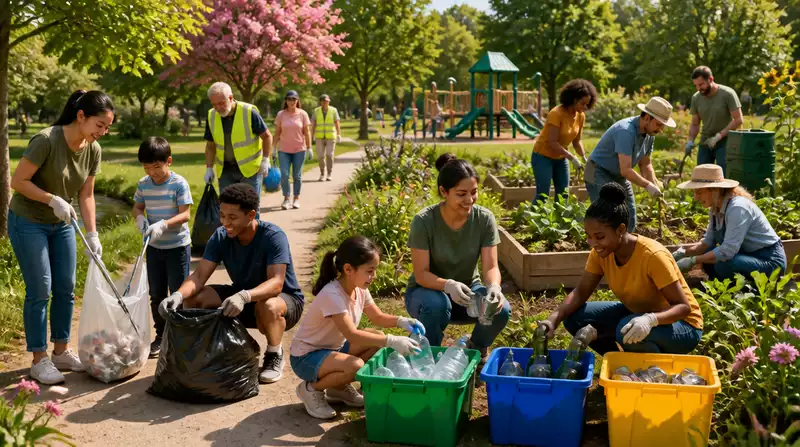
As communities grapple with waste management, the impact on our environment and health raises urgent questions. What if you could be a part of the solution? Taking actionable steps toward waste reduction not only enhances our surroundings, but also fosters a sense of community. Let's explore how we can work together for a cleaner, greener neighborhood.
What You Will Learn
- Identifying specific waste challenges in your community, such as littering and low recycling participation, is crucial for crafting effective solutions.
- Setting measurable goals, like increasing recycling rates by 20%, can motivate community members to take action.
- Understanding the environmental and health impacts of waste helps galvanize community support for waste reduction initiatives.
- Implementing strategies like community clean-ups, composting programs, and reducing plastic use fosters a sense of teamwork and responsibility.
- Public awareness campaigns and social media can effectively engage residents and promote participation in waste reduction efforts.
- Inviting community members to share their experiences on social media amplifies the message and creates a ripple effect of change.
- Taking immediate steps, such as volunteering for local initiatives or starting your own composting efforts, can lead to tangible improvements in your neighborhood.
Challenges and Goals for Waste Reduction
Understanding the common challenges in waste management helps set achievable goals for the community. By identifying specific issues, we can create targeted solutions that benefit everyone. For more insights on efficient waste management, check out our guide on suburban strategies for smart waste.
Challenge: Not Enough Recycling Participation
Goal: Increase recycling rates by 20% in the next year.
Challenge: Excessive Single-Use Plastics
Goal: Reduce single-use plastics by implementing community initiatives.
Challenge: Food Waste
Goal: Establish composting programs to reduce organic waste.
Challenge: Lack of Community Engagement
Goal: Increase community participation in waste reduction programs.
Understanding the Need for Effective Neighborhood Waste Reduction
Have you ever looked around your neighborhood and noticed how much waste accumulates? It’s alarming! At Greener Suburbs, we recognize that understanding our community’s waste challenges is the first step toward creating positive change. By addressing these challenges, we can not only reduce the amount of waste we produce but also set achievable goals for a cleaner, more sustainable environment.
As we dive deeper into defining our community’s waste challenges, we should focus on key issues like littering, overflowing trash cans, and a lack of recycling awareness. Everyone can play a role in tackling these issues! Together, we can establish goals that inspire action, such as reducing waste by a specific percentage or increasing participation in recycling programs.
Defining Community Waste Challenges and Goals
It’s essential to identify the specific waste challenges our community faces. For instance, do we have a problem with food waste, or is it more about plastic pollution? By pinpointing these areas, we can set targeted goals, creating a roadmap for success. For practical guidance on effective strategies, consider reading about neighborhood waste reduction tips. Here’s a quick list of common challenges and goals we might consider:
- Challenge: Not enough recycling participation
- Goal: Increase recycling rates by 20% in the next year
- Challenge: Excessive single-use plastics
- Goal: Reduce single-use plastics by implementing community initiatives
Once we grasp our challenges, we can engage residents and local organizations to work towards these goals. By creating a collaborative environment, we empower everyone to take part in this vital movement.
Impact of Neighborhood Waste on Environment and Health
The waste we generate doesn’t just disappear; it has real consequences for our environment and health. When waste is not properly managed, it can lead to pollution, which affects air quality and waterways. Imagine walking through a park filled with litter – it’s not just unsightly; it poses risks to wildlife and our well-being!
Another crucial aspect to consider is the health impact of waste. Poor waste management can lead to increased instances of pests, which may transmit diseases. It’s essential that we aim to create cleaner, safer spaces for our families and neighbors. Here’s a list of potential impacts:
- Contaminated soil and water sources
- Increased health risks from pests and pollution
- Negative effects on local wildlife and ecosystems
- Decreased property values and neighborhood appeal
By understanding these impacts, we can motivate our community to take action. Together, we can work towards practical solutions that promote a healthier environment and a stronger community spirit! Let’s make a commitment to reduce our waste and enhance our neighborhood for everyone’s benefit.
Quick Summary
Here's a brief recap of the key points discussed so far:
- Understanding community waste challenges is essential for effective reduction strategies.
- Identifying specific waste issues, such as plastic pollution and low recycling rates, allows for targeted goals.
- Implementing community initiatives, like clean-ups and composting programs, can foster a healthier environment.
Frequently Asked Questions About Neighborhood Waste Reduction
- What are the most common waste challenges in communities?
- Common challenges include low recycling participation, excessive single-use plastics, food waste, and a general lack of community engagement in waste reduction efforts.
- How can a community set effective waste reduction goals?
- Effective goals should be measurable, such as increasing recycling rates by a specific percentage or establishing new composting programs. They should address specific identified challenges.
- What are the environmental impacts of poor waste management?
- Poor waste management can lead to air and water pollution, contaminated soil, negative effects on local wildlife and ecosystems, and decreased property values.
- What are the health impacts of poor waste management?
- Health impacts include increased instances of pests that can transmit diseases, as well as general health risks from pollution.
- What strategies can communities implement to reduce waste?
- Key strategies include organizing community clean-ups, implementing composting programs, promoting reuse and repair initiatives, and reducing single-use plastic consumption.
- How can social media help in waste reduction efforts?
- Social media can be used to share updates on local events, encourage residents to showcase their waste reduction efforts, and invite participation in sustainability challenges, fostering a sense of community and motivation.
Summarizing the Impact of Neighborhood Waste Reduction Strategies
As we reflect on the importance of effective waste reduction strategies, it's clear that our collective efforts can create lasting positive change in our neighborhoods. By coming together as a community, we can achieve significant reductions in waste while fostering a healthier environment. Remember, the actions we take today will lead to a cleaner, more vibrant community tomorrow!
Let’s quickly recap the key strategies we’ve discussed. Organizing community clean-ups, implementing composting programs, promoting reuse and repair, and reducing plastic use are vital steps toward sustainable living. Each approach not only helps diminish waste but also strengthens our community bonds and promotes shared responsibility. Isn’t it exciting to think about the potential we have together?
Recapping Key Strategies and Their Benefits
Here’s a quick overview of the core strategies we've explored and their benefits:
- Community Clean-Ups: Foster teamwork and pride in our neighborhood while removing litter. Learn more about joining our eco-friendly cleanup efforts.
- Composting Programs: Reduce organic waste and create nutrient-rich soil for gardens.
- Reuse and Repair Initiatives: Encourage creativity and resourcefulness while reducing waste.
- Reducing Plastic Use: Minimize environmental impact by transitioning to sustainable alternatives.
By implementing these strategies, we not only improve our physical environment but also enhance community morale. It’s heartwarming to see neighbors come together, share ideas, and be part of something bigger, like Greener Suburbs! We’re building a legacy of sustainability for future generations.
Encouraging Community Members to Take Action
Are you ready to take action? It’s time to inspire our friends and family to join us in this important movement! Together, we can make a significant impact through awareness and participation. Let’s not keep our enthusiasm to ourselves; share it wide and far!
Public Awareness Campaigns: Spreading the Message
One effective way to engage more residents is through public awareness campaigns. These campaigns can focus on:
- Educating the community about the benefits of waste reduction.
- Informing residents about upcoming clean-up events or recycling drives.
- Promoting success stories from our local initiatives to motivate participation.
When we spread the word about our efforts, it brings more people into the fold, creating a ripple effect of change!
Social Media Campaigns: Connecting and Mobilizing Residents
Social media is a powerful tool for connecting our community and mobilizing residents. Using platforms like Facebook or Instagram can help us:
- Share updates on local events and initiatives.
- Encourage residents to showcase their own waste reduction efforts.
- Invite people to join challenges that promote recycling and sustainability.
Imagine seeing a vibrant feed filled with our community’s endeavors! It’s that sense of connection that fuels our motivation and passion for creating a greener neighborhood.
Call to Action: Joining the Movement for a Cleaner Neighborhood
The time to act is now! At Greener Suburbs, we believe that every individual can make a difference. Whether it’s through participating in a community clean-up or sharing your composting success story, it all counts!
Sharing Experiences and Progress on Social Media
We’d love to see you sharing your experiences on social media. Use hashtags like #GreenerSuburbs or #WasteReduction to connect with fellow community members. Celebrate your achievements, no matter how small, because they all contribute to the bigger picture!
Next Steps for Getting Involved in Local Initiatives
If you’re eager to dive in, there are plenty of ways to get involved in local initiatives. Here are some next steps you can take:
- Attend community meetings to find out how you can help.
- Volunteer for upcoming clean-up events or recycling drives. For more information on how to get started, discover tips on starting your community green initiative.
- Start your own composting efforts at home and encourage others to do the same!
Volunteer Programs: Engaging Community Members in Action
At Greener Suburbs, we’re always looking for enthusiastic volunteers to participate in our programs. Volunteering allows you to meet like-minded individuals, contribute to meaningful projects, and see the direct impact of your efforts. So, let’s band together and take action to create the cleaner neighborhoods we all deserve!
Recap of Key Points
Here’s a quick recap of the important strategies and insights discussed in the article:
- Identify Community Waste Challenges: Understand specific issues such as low recycling participation and excessive single-use plastics.
- Set Achievable Goals: Aim to increase recycling rates by 20% and reduce single-use plastics through community initiatives.
- Community Engagement: Foster collaboration by involving residents and local organizations in waste reduction efforts.
- Impact Awareness: Recognize the health and environmental consequences of poor waste management, such as pollution and increased pests.
- Implement Effective Strategies: Organize community clean-ups, start composting programs, and promote reuse and repair initiatives.
- Leverage Social Media: Use platforms to connect with community members, share updates, and encourage participation in sustainability challenges.
- Encourage Participation: Inspire friends and family to join the movement for a cleaner neighborhood through public awareness campaigns.

Clara Jennings
Clara Jennings is an environmental advocate and community organizer dedicated to promoting sustainable practices in suburban living. With a background in environmental science and years of experience in community engagement, Clara works passionately to inspire neighborhoods to embrace eco-friendly initiatives that enhance their surroundings and foster a sense of community.
Popular Posts
Build Your Community Food Network
![Build Your Community Food Network]() What if your community could eliminate hunger and strengthen bonds among neighbors? Community food-s
What if your community could eliminate hunger and strengthen bonds among neighbors? Community food-s
 What if your community could eliminate hunger and strengthen bonds among neighbors? Community food-s
Low-Waste Weekly Shopping Tips
![Low-Waste Weekly Shopping Tips]() Have you ever considered how the simple act of shopping can significantly impact our environment? Ad
Have you ever considered how the simple act of shopping can significantly impact our environment? Ad
 Have you ever considered how the simple act of shopping can significantly impact our environment? Ad
Create Habitats with Local Volunteers
![Create Habitats with Local Volunteers]() Did you know that approximately one-third of the food we consume relies on pollinators like birds an
Did you know that approximately one-third of the food we consume relies on pollinators like birds an
 Did you know that approximately one-third of the food we consume relies on pollinators like birds an
Organize Your Neighbourhood Tree Planting
![Organize Your Neighbourhood Tree Planting]() Consider this: a single tree can absorb over 48 pounds of carbon dioxide each year, significantly c
Consider this: a single tree can absorb over 48 pounds of carbon dioxide each year, significantly c
 Consider this: a single tree can absorb over 48 pounds of carbon dioxide each year, significantly c
