Biodiversity Loss Factors
- Urban sprawl encroaches on natural habitats.
- Pollinator populations decline, affecting local plants.
- Natural predators may be eliminated, leading to pest overpopulation.
As suburban sprawl continues to expand, the ecological consequences become increasingly evident. What if your choices today could secure a healthier environment for future generations? Understanding the balance between suburban living and environmental sustainability is not just important—it's essential.
Suburban living has profound effects on local ecosystems and the carbon footprint of households. Below is a visual representation that highlights key statistics regarding biodiversity loss and greenhouse gas emissions in suburban areas.
Suburban living has become a defining characteristic of many communities, often seen as the ideal blend of city and country life. As we expand our suburbs, it's crucial to pause and reflect on the ecological consequences we may be creating. At Greener Suburbs, we advocate for awareness and action to address these challenges, ensuring that our communities thrive sustainably. For more practical advice, consider reading our post on sustainable tips for suburban living.
Suburban living typically refers to residential areas situated outside a city's urban core, characterized by single-family homes, green spaces, and a reliance on automobiles for transportation. This lifestyle often offers a quieter environment compared to urban centers, attracting families seeking a balance between accessibility to city amenities and a more tranquil setting. However, with this expansion comes a *responsibility* to understand its environmental impact.
Suburban areas exhibit distinct features that set them apart from urban environments. Here are some key characteristics:
These characteristics can foster community bonds while simultaneously creating a unique set of ecological challenges that we must navigate thoughtfully.
The past few decades have seen significant growth in suburban development, driven by a desire for more space and a quieter lifestyle. However, this trend has led to increased land consumption and habitat loss. As we witness these changes, it’s essential for us to grasp the implications:
At Greener Suburbs, we believe understanding these trends is the first step toward fostering a more sustainable suburban environment that minimizes ecological harm.
As our suburbs grow, they often spread into previously untouched natural areas. This suburban sprawl can have profound effects on local ecosystems, one of which is habitat fragmentation. When habitats are divided, the plants and animals that depend on these ecosystems struggle to survive. It’s a challenging reality that we, as suburban residents, must confront together. To learn more about how you can help, check out our guide on engaging residents in green initiatives.
Habitat fragmentation occurs when large habitats are broken up into smaller, isolated patches. This change can lead to:
By understanding these impacts, we can work towards community initiatives that support biodiversity conservation in our neighborhoods.
As urban areas expand, they often encroach on vital habitats, leading to significant biodiversity loss. The delicate balance of local ecosystems is disturbed, which can have far-reaching effects. For example:
Recognizing these issues is essential for every resident. Small actions can create a ripple effect in preserving our local flora and fauna.
As land is converted for housing and commercial use, the consequences for local wildlife and plants can be severe. Land use change often results in:
Through community engagement and education, we can combat these effects and promote a healthier environment where everyone thrives.
Suburban households contribute significantly to carbon emissions, primarily through transportation and energy consumption. Understanding our carbon footprint is vital in the fight against climate change. As residents of Greener Suburbs, we have the power to make informed choices and work towards reducing our environmental impact together.
The suburban lifestyle often leads to higher greenhouse gas emissions due to factors like:
By adopting eco-friendly practices, we can collectively reduce these emissions and move toward a more sustainable future.
Not all suburban areas have the same environmental impacts. A comparative analysis reveals:
By promoting these differences, we can encourage more sustainable development practices in our own neighborhoods.
Implementing carbon sequestration strategies is key to mitigating the effects of our carbon footprint. Some effective methods include:
At Greener Suburbs, we strive to educate and empower residents to adopt these practices for a healthier environment!
Suburban development often results in the degradation of vital ecosystem services that support our everyday lives. These services are like the *invisible threads* that connect us all to our environment. Understanding their importance can motivate us to protect them.
As we build more homes and pave over land, nutrient cycling and water flow can be disrupted. This disruption can lead to:
By adopting sustainable practices, we can help restore these critical processes in our communities.
Pollutant runoff from suburban areas poses significant risks to local waterways. Common issues include:
Working together, we can implement solutions that minimize runoff and protect our precious water resources!
Urban heat islands, often found in suburban areas, can exacerbate local climate issues, leading to:
Let’s explore ways to combat this phenomenon and create cooler, healthier neighborhoods for everyone!
Identifying sustainable solutions is essential for anyone living in the suburbs. There are numerous strategies we can adopt to lessen our impact on the environment while enhancing our community's beauty. Let's dive into some practical steps!
Green infrastructure can significantly reduce the negative impacts of suburban living. Consider these options:
At Greener Suburbs, we encourage residents to explore these eco-friendly alternatives to enhance our neighborhoods.
Incorporating native plants into our gardens can offer numerous benefits, such as:
Let’s work together to create lush, inviting spaces that invite nature back into our suburban lives!
Healthy soil is the foundation of thriving ecosystems. Here are some practices to enhance soil health:
By adopting these strategies, we can create a healthier environment for all living beings in our suburbs.
Community involvement is vital in restoring ecological health in suburban areas. Together, we can implement practical approaches that benefit our surroundings. Here are some strategies to consider!
Every resident can contribute to ecological restoration through simple actions like:
When we come together, even the smallest actions can lead to significant changes!
Engagement is key in fostering a culture of conservation. Consider these tactics to inspire your neighbors:
Let’s encourage each other to be active participants in our environmental journey!
Establishing wildlife corridors and green spaces can significantly benefit local ecosystems. Here’s how we can help:
Together, we can create a more interconnected and biodiverse suburban landscape!
Understanding the policies and regulations that support sustainable suburban development is crucial for us as residents. By staying informed, we can advocate for positive changes in our communities.
Zoning laws and environmental regulations can greatly influence suburban development. Being aware of these can help us advocate for:
Let’s engage with local officials and promote policies that protect our environment!
Many governments offer incentives for sustainable practices, including:
By taking advantage of these incentives, we can collectively invest in a greener future!
Environmental impact assessments (EIAs) are crucial for understanding the effects of new developments. They help us to:
Promoting the use of EIAs in our communities can lead to more thoughtful and responsible development!
Here's a brief recap of the key points discussed so far:
A1: Suburban living contributes to habitat fragmentation, biodiversity loss, increased greenhouse gas emissions from vehicle reliance and energy consumption, altered water cycles, soil degradation, and urban heat islands.
A2: Suburban sprawl leads to habitat fragmentation, which reduces genetic diversity, increases extinction risks for native species, and disrupts natural migration patterns for wildlife. It also results in the loss of native plant species and increases competition from invasive species.
A3: Suburban households typically have a higher carbon footprint due to greater reliance on personal vehicles, higher energy consumption in homes, and limited access to public transportation.
A4: Sustainable solutions include implementing green infrastructure like rain gardens and permeable pavements, adopting native plants for landscaping, enhancing soil health through practices like composting, and participating in local conservation initiatives such as cleanups and tree planting.
A5: Communities can promote ecological restoration by engaging residents in conservation efforts, organizing educational workshops, creating wildlife corridors and green spaces, and advocating for supportive policies like sustainable zoning laws and environmental impact assessments.
As we reflect on the ecological impact of suburban living, it’s clear that we face significant environmental challenges that need our urgent attention. The long-term implications for biodiversity and ecosystem health are profound. If we don’t take action now, we risk not only the flora and fauna that inhabit our neighborhoods but also the very community spirit that makes our suburbs vibrant.
In our pursuit of a greener future, we must consider how suburban development often leads to habitat loss and degradation. The choices we make today will shape the landscape for generations to come. This is why it’s vital to understand the regional variations in suburban impact and recovery. Each community has unique challenges and opportunities, and we must tailor our approach accordingly.
The long-term implications of neglecting these environmental challenges are alarming! Biodiversity can suffer immensely when we don’t protect our local ecosystems. For instance, many native species could disappear, which disrupts the delicate balance of our local environments. We need to ask ourselves: What are we willing to do to safeguard our surroundings?
It's also important to recognize that regional variations can influence the severity of suburban impacts. Some areas may experience more dramatic changes, while others might recover more swiftly. Here's a quick summary of factors that vary by region:
Now that we understand the critical nature of these challenges, what can we do as individuals? There are simple steps we can all take to reduce our carbon footprint and contribute positively to our suburban environment. Remember, every little bit helps! For more specific ideas, check out our article on suburban strategies for smart waste.
Here are some actionable steps you can take:
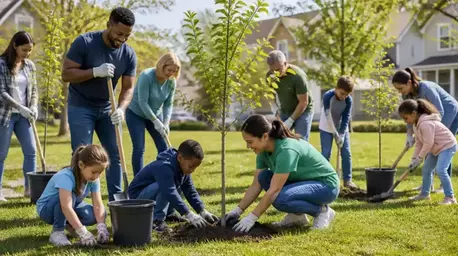
Being involved in conservation efforts is a wonderful way to connect with your community and make a tangible difference. As part of Greener Suburbs, I can tell you that our community cleanups and beautification projects are not only rewarding but also inspiring. Learn more about how you can join our eco-friendly cleanup efforts.
Consider joining local initiatives like:
Education is key to creating lasting change! By fostering awareness about suburban environmental impacts, we empower our neighbors to take action. Encouraging educational resources and community discussions can ignite a passion for sustainability.
Additionally, collaborative efforts in ecological restoration projects are vital. When we work together, we can transform our neighborhoods into thriving ecosystems. Here are some ideas to foster community engagement:
Let’s inspire our communities to join this movement towards a greener future! Together, we can create a legacy of sustainability and responsibility for the next generation. What initiatives can you start in your neighborhood? It’s time to act and make our suburbs a model of ecological health!
Here is a quick recap of the important points discussed in the article:
Clara Jennings is an environmental advocate and community organizer dedicated to promoting sustainable practices in suburban living. With a background in environmental science and years of experience in community engagement, Clara works passionately to inspire neighborhoods to embrace eco-friendly initiatives that enhance their surroundings and foster a sense of community.