Enhances Biodiversity
Provides habitats for various wildlife, promoting a rich ecosystem.
Consider this: a single tree can absorb over 48 pounds of carbon dioxide each year, significantly contributing to our planet's health. The power of trees in our neighborhoods goes beyond beauty; they play a crucial role in fostering a sustainable environment and enhancing community well-being. Ready to transform your neighborhood? Let's dive into how you can organize a tree-planting campaign!
The following visual highlights the critical benefits of tree planting within communities, showcasing their environmental and social impacts. For more ways to enhance your community, consider organizing a neighborhood beautification project.
Provides habitats for various wildlife, promoting a rich ecosystem.
Improves soil absorption, minimizing flooding risks in urban areas.
Attractive landscaping increases market appeal for homes.
Trees absorb carbon dioxide while releasing oxygen, enhancing health.
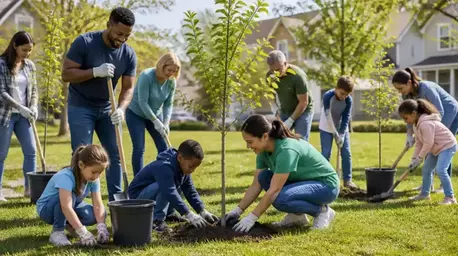
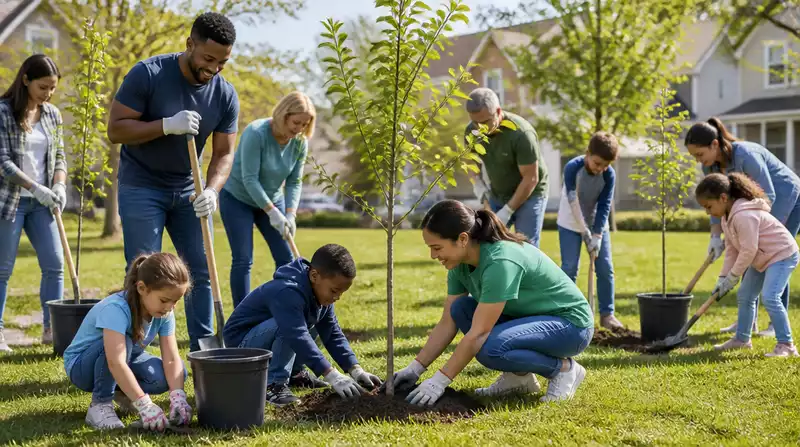
Have you ever noticed how trees can transform a neighborhood? Not only do they provide shade and beauty, but they also enhance our urban canopies. By planting trees, we can create inviting spaces that encourage community gathering and play, making our neighborhoods feel more like home!
Planting trees plays a vital role in the overall health of our environment. They help improve air quality by absorbing carbon dioxide and releasing oxygen. Additionally, trees can significantly reduce heat in urban areas, making our suburbs cooler and more pleasant during the hot months.
When we think of sustainability, trees should be at the forefront of our minds. They are not just beautiful; they are essential for biodiversity and the health of our ecosystems. Imagine a neighborhood filled with diverse plant and animal life, thriving in harmony because of the trees we plant together!
Trees also play a critical role in combating climate change. They help reduce greenhouse gases and provide essential habitat for birds and insects. This creates a richer tapestry of life, which benefits everyone in the community. By planting trees, we are investing in a healthier future for ourselves and generations to come! To learn more about environmental efforts, check out how to join our eco-friendly cleanup efforts.
Before diving into a tree-planting campaign, it’s important to establish clear goals! What do you hope to achieve? Whether it's increasing local green space, improving air quality, or creating a community gathering spot, having a defined purpose will guide your efforts.
Setting measurable objectives can keep your campaign on track. Consider the number of trees you want to plant, the locations you plan to target, and the timeline for completion. For instance, you might aim to plant 50 trees in five different parks over the next six months. These concrete goals will not only motivate your volunteers but also help in assessing the campaign's success.
To make your tree-planting campaign a success, having a solid timeline is key! I recommend breaking down the project into manageable phases, which can help keep everyone organized and focused. By planning ahead, you'll reduce stress and ensure everything runs smoothly on the big day.
Start by outlining major tasks, such as securing permissions, recruiting volunteers, and selecting tree species. Allocating time for each task can make the overall process feel less overwhelming. A detailed campaign timeline can help everyone stay on the same page and excited about the upcoming event!
Engaging the community is where the magic happens! Start by reaching out to local residents, schools, and organizations. Encourage them to participate in your tree-planting campaign. Building strong partnerships can amplify your efforts and foster a sense of ownership in the project.
Consider hosting an informational meeting to share your vision and gather input. This can also serve as a great opportunity to recruit volunteers who are passionate about making a difference in their neighborhoods. Remember, the more people you involve, the bigger the impact you can create!
Funding can be a crucial component for the success of your campaign. To get started, identify potential sponsors in your community who might be interested in supporting your tree-planting efforts. Local businesses often have a vested interest in enhancing their surroundings and may be willing to contribute.
Besides seeking sponsorships, consider organizing fundraising events. This could be anything from bake sales to community yard sales, where all proceeds can go toward purchasing the trees and necessary supplies. Engaging the community in fundraising can also spark excitement and increase participation in your campaign!
Before planting any trees, it's essential to obtain the proper permissions. This step can sometimes feel daunting, but it’s crucial for ensuring that your campaign is legally compliant. Start by identifying the landowners and local authorities involved in your chosen planting sites.
Once you know who to contact, prepare a proposal outlining your project and its benefits. This transparency can help build trust and increase the likelihood of gaining support. Plus, I recommend keeping a record of all communications to ensure everything is documented properly! For more information on local initiatives, explore starting your community green initiative.
Here's a brief recap of the key points discussed so far:
Once the excitement of our tree-planting campaign wears off, how do we keep that *momentum going*? At Greener Suburbs, we believe that sustaining community interest is key to ensuring our trees thrive and our neighborhoods flourish. Engaging the community doesn’t stop when the last tree is planted; it’s just the beginning! Together, we can foster a culture of environmental stewardship and ongoing support.
One powerful strategy is to create opportunities for ongoing community engagement and education. By *keeping the conversation alive*, we can turn our tree-planting initiative into a broader movement. Invite residents to participate in regular tree care days, where they can learn about maintaining the health of the trees we've planted. This hands-on approach not only strengthens community bonds but also deepens our understanding of the role trees play in our ecosystem.
How can we ensure our community stays connected and invested in tree care? Here are some effective strategies to consider:
By implementing these strategies, we can cultivate a sense of ownership and responsibility among community members. It’s exciting to think about how *a little education* can go a long way in keeping our neighborhoods vibrant and green!
In today’s digital age, leveraging social media is a game-changer for community initiatives. At Greener Suburbs, we’ve seen firsthand how effective it can be to share updates and engage residents. Here are some tips for using social media and local outreach to promote our tree-planting campaign and future initiatives:
These strategies not only keep the momentum going but also encourage *word-of-mouth sharing*, inspiring more people to join our eco-friendly efforts! For more on sustainable practices, consider suburban strategies for smart waste management.
What better way to bring people together than through hands-on workshops? Organizing community workshops offers a fantastic opportunity to educate residents on tree care and broader environmental issues. Here are some ideas for workshops that can enhance community knowledge:
These workshops can transform our community into a hub of eco-consciousness, where individuals feel empowered to take action!
As we wrap up our initiatives, it’s crucial to highlight that *community ownership* is essential for sustaining the benefits of tree planting. When individuals take pride in their contributions, they become champions of environmental stewardship. It’s about more than planting trees; it’s about nurturing an ongoing relationship with our environment!
Let’s rally together as a community and set an example for future generations. Together, we can ensure that the trees we’ve planted not only survive but thrive, contributing to a healthier and greener neighborhood.
Are you feeling inspired to take action? I encourage you to consider starting your own neighborhood tree-planting campaign! Here are some initial steps you can take:
The journey towards a greener suburb begins with you! Let’s make a difference together—one tree at a time! For more tips on fostering a sustainable environment, explore sustainable tips for suburban living.
Here is a quick recap of the important points discussed in the article:
Clara Jennings is an environmental advocate and community organizer dedicated to promoting sustainable practices in suburban living. With a background in environmental science and years of experience in community engagement, Clara works passionately to inspire neighborhoods to embrace eco-friendly initiatives that enhance their surroundings and foster a sense of community.