Access to Fresh Food
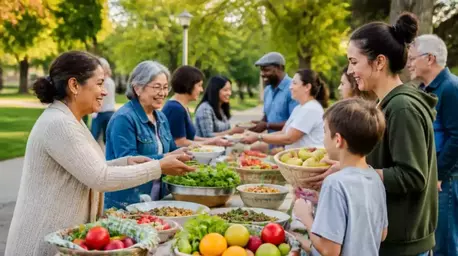
Community gardens enhance local food access, providing fresh fruits and vegetables to residents in food deserts.
Community gardens are not just about growing vegetables; they are transformative spaces that can enrich our neighborhoods. Did you know that these gardens can serve as a hub for community engagement and environmental sustainability? As you explore this topic, you'll discover how cultivating these green spaces enhances local life and fosters connections among residents.
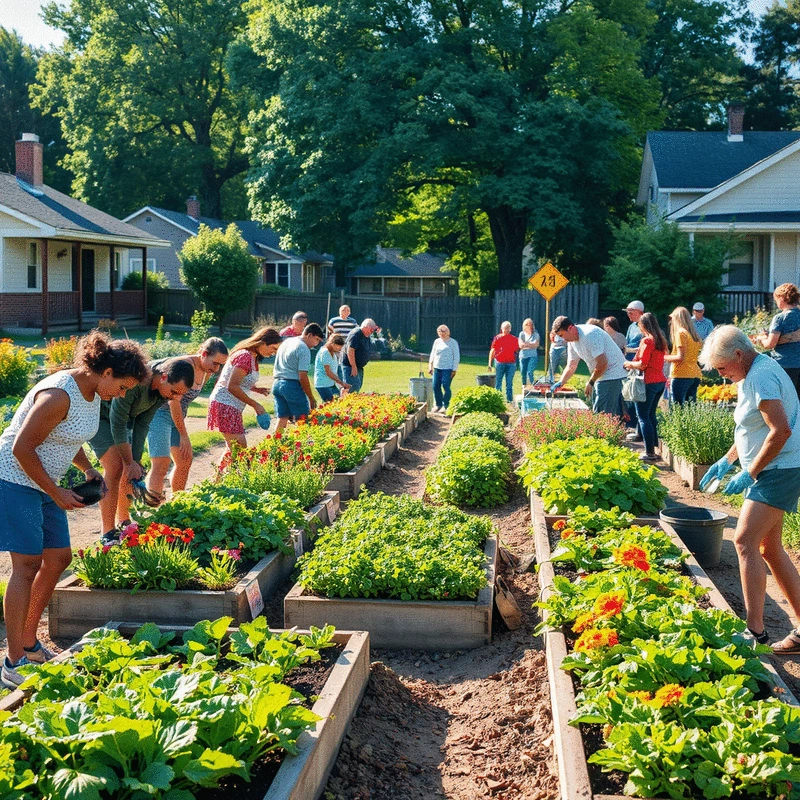
Community gardens provide numerous advantages that can significantly enhance local neighborhoods.
Community gardens enhance local food access, providing fresh fruits and vegetables to residents in food deserts.
They foster community engagement, providing a space for neighbors to connect and collaborate.
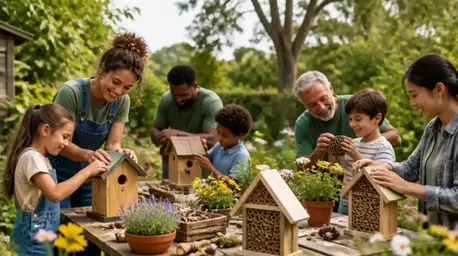
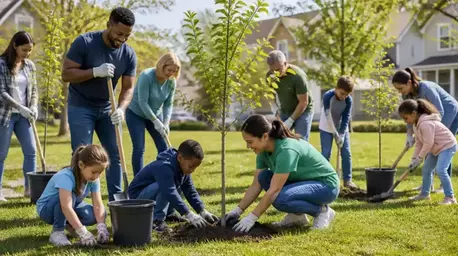
Community gardens encourage environmental stewardship and promote biodiversity.
They provide educational opportunities for residents to learn about sustainable gardening practices.
Community gardens are vibrant spaces that can transform our suburbs into more sustainable and connected places. These gardens not only provide fresh produce but also play a crucial role in fostering community engagement. At Greener Suburbs, we believe that by cultivating these green spaces, we can enhance the quality of life in our neighborhoods while encouraging residents to work together towards a common goal.
When we think about community gardens, it’s essential to understand their multifaceted benefits. They contribute to local food access, environmental health, and even social connections. Imagine the joy of picking ripe tomatoes or crisp lettuce just steps away from your home! This isn’t just a dream; it’s the reality we can create together.
Community gardens can serve as a catalyst for suburban development by bringing people together. They can be a hub for community activities and a space where neighbors can connect with each other. Have you ever thought about how a simple patch of land can foster lasting relationships? It’s amazing how gardening can break down barriers and open up pathways for communication! For more insights into fostering community, consider joining our eco-friendly cleanup efforts.
Let’s explore some key roles community gardens play in our suburbs:
One of the most significant benefits of community gardens is their ability to enhance local food access. With growing concerns about food deserts, these gardens can become an oasis of fresh fruits and vegetables for residents. Did you know that participating in a community garden can drastically reduce your grocery bill? Plus, the taste of homegrown produce is unbeatable!
Community gardens often encourage residents to share their harvests, creating a culture of sharing and collaboration. When we work together, we not only improve our meals but also contribute to a healthier community overall. Just think about the impact we can have by growing food locally!
Community gardens are more than just plots of land; they are spaces where friendships blossom. They provide a platform for residents to gather, share ideas, and collaborate on projects. Imagine weekends filled with laughter as families tend to the garden, share gardening tips, and enjoy each other’s company! These interactions foster a sense of belonging and pride in our neighborhoods.
Moreover, community gardens can host various events to strengthen these connections, such as:
Urban farming complements community gardens beautifully, offering an innovative approach to sustainable living. By integrating urban farming techniques with our community gardens, we can maximize our food production while minimizing our environmental footprint. Have you ever considered how much food can be grown in a small space? It’s impressive! You can learn more about sustainable tips for suburban living to further enhance your green efforts.
Urban farming encourages residents to utilize their backyards, balconies, and even rooftops. We create not only more green spaces but also places where biodiversity can thrive. The potential for education and community growth is immense!
When we think about urban farming, it’s essential to consider how it can enhance community gardens. For example, combining traditional gardening methods with innovative techniques like vertical gardening or hydroponics can exponentially increase yield. Have you ever tried growing herbs on a windowsill? It’s easier than you think!
Here are a few ways to integrate urban farming into community gardens:
Urban farming brings numerous benefits that extend beyond food production. It can enhance our local economy, provide educational opportunities, and promote environmental awareness. Think about the positive impact of teaching our children about where their food comes from and how to grow it sustainably!
Moreover, urban farming encourages a sense of responsibility towards our environment. By actively participating in these practices, we can significantly reduce our carbon footprint and promote healthy living. Together, we can create a greener suburb that thrives on community efforts!
Local gardening clubs are another fantastic way to enhance community gardens. They bring together gardening enthusiasts who can share knowledge, resources, and passion for sustainable practices. Joining a gardening club can open doors to new friendships and invaluable insights!
These clubs also often provide opportunities for members to participate in community projects, such as organizing workshops or collaborating on local gardening initiatives. Imagine being part of a vibrant community where everyone shares the same interests and goals!
Local gardening clubs can make a significant impact on community gardens by:
Engaging with neighborhood associations is vital for the success of community gardens. These associations can provide support, resources, and even funding for garden projects. By collaborating with local leaders, we can create a unified vision for sustainable practices within our suburbs.
Let’s consider how connecting with neighborhood associations can benefit our community gardens:
Did you know? Engaging local schools in your community garden project can amplify its impact! By involving students in gardening activities, you not only educate the younger generation about sustainable practices but also foster a sense of responsibility towards the environment. Consider organizing school field trips or workshops that allow students to plant seeds, learn about nutrition, and understand the importance of local food systems. This collaboration can create lifelong advocates for sustainability within your community!
Starting a community garden can feel overwhelming, but with the right approach, it can be an exciting venture for your neighborhood! At Greener Suburbs, we believe that bringing people together for a common goal is fundamental to creating a thriving community. The following steps will guide you through the process of launching a community garden that not only beautifies your area but also fosters connection among residents.
The first step in establishing a community garden is gathering interest from local residents. This is where we can harness the power of community engagement! Start by reaching out to friends, family, and neighbors to gauge interest and encourage their participation in this wonderful initiative.
One effective strategy is to form a garden club or committee. This group will serve as the backbone of your community garden project.
Once you have enough interest, it's time to formalize your efforts by forming a garden club or committee. This structure will help keep everything organized and focused. Remember, the more voices you involve, the richer your community garden will become!
As a committee, you can delegate tasks and responsibilities, ensuring everyone feels included. This collaborative spirit will help build a sense of ownership over the garden.
Hosting initial community meetings is a fantastic way to share your vision and get feedback. Plan to hold these meetings in a local park or community center to make it accessible for everyone!
During these gatherings, focus on sharing your goals, discussing the benefits of the garden, and addressing any concerns. Consider using visual aids like charts or images to engage attendees. Here are some discussion points to cover:
Choosing the perfect location for your community garden is critical to its success! An ideal spot will have access to sunlight, good soil quality, and be easily accessible for all community members. At Greener Suburbs, we like to think of location as one of the first building blocks of our gardens. You might also find helpful information on starting your community green initiative, which often involves selecting suitable locations.
Once you have a few potential sites in mind, it's essential to evaluate them against specific criteria:
As you narrow down your options, keep these criteria in mind. A well-situated garden can flourish and provide fresh produce to the community while enhancing the landscape! Feel free to get input from local gardening clubs or experts for a more informed decision.
Before you start digging, make sure to check local zoning and permit regulations. Each municipality has its own rules, so it's important to do your homework! Reach out to your local city or county office for guidance on what’s required, ensuring your garden complies with the law.
Taking these steps early on can save you time and headaches down the road. Once you have the necessary approvals, the real fun begins!
Understanding municipal regulations is vital for any community garden project. These rules can include everything from land use to water regulations. At Greener Suburbs, we believe that knowing the legal landscape allows us to create sustainable projects with confidence!
It’s a good idea to document all communications with local authorities and to keep updated on any changes in regulations. This way, you can ensure your community garden is in good standing with local laws.
Here’s a brief overview of common regulations that might affect your community garden:
Make sure to familiarize yourself with any urban agriculture policies that could impact your garden. These may range from composting regulations to guidelines for community outreach. By understanding these policies, you’ll be able to run a successful and compliant community garden. To further ensure compliance and sustainability, consider learning about suburban strategies for smart waste management.
Establishing governance and structural policies is crucial for the smooth operation of your community garden. Clear rules and responsibilities help everyone stay on the same page and reduce conflicts. At Greener Suburbs, we believe that a well-structured garden cultivates a harmonious environment!
Start by creating a set of garden rules that outline individual responsibilities and community standards. This can also include guidelines on plot maintenance and what to do in case of disputes.
Creating clear rules will make it easier for everyone to contribute and enjoy the garden! Additionally, consider drafting a simple handbook that outlines the policies for easy reference.
Lastly, it’s beneficial to develop community agreements and lease templates for participants. This ensures everyone understands their commitment and shares the same vision for the community garden. Getting this paperwork in order early on can help build trust and accountability within your garden community. For more ideas on managing community projects effectively, you might explore organizing a neighborhood beautification project.
Here is a quick recap of the important points discussed in the article:
Community gardens offer numerous benefits, including enhanced access to fresh food, stronger community ties, environmental stewardship, and educational opportunities in sustainable gardening practices.
By providing local residents, especially those in food deserts, with direct access to fresh fruits and vegetables, community gardens help ensure that healthy food options are readily available and often at a lower cost.
Urban farming techniques, such as vertical gardening or hydroponics, can be integrated into community gardens to maximize food production in limited spaces, promote biodiversity, and minimize environmental impact, leading to greater sustainability.
Engaging with neighborhood associations provides critical support, resources, and potential funding for community garden projects. It also helps in networking with like-minded individuals and ensures increased visibility and community buy-in for initiatives.
Key steps include gathering community interest, forming a garden club or committee, conducting initial community meetings, choosing an appropriate location (considering sunlight, soil, and accessibility), navigating local zoning and permit requirements, and establishing clear governance and structural policies.
Clara Jennings is an environmental advocate and community organizer dedicated to promoting sustainable practices in suburban living. With a background in environmental science and years of experience in community engagement, Clara works passionately to inspire neighborhoods to embrace eco-friendly initiatives that enhance their surroundings and foster a sense of community.