Enhancing Local Ecosystems
- Provides habitat for pollinators
- Supports local wildlife
- Reduces water usage
Imagine stepping into a vibrant garden filled with native flowers, buzzing bees, and the laughter of children. A sustainable community garden not only enriches our environment but also strengthens our neighborhoods. Ready to cultivate change? Let's explore the numerous benefits of community gardening!
Explore the key benefits of cultivating a sustainable community garden in suburban neighborhoods. For more ideas on how to make your community greener, consider joining our eco-friendly cleanup efforts.
Creating a sustainable community garden in our suburban neighborhoods can be a game-changer! Not only do these gardens beautify our surroundings, but they also bring numerous benefits to both individuals and the environment. So, why should we consider starting one? Let's explore the many advantages that come with cultivating a green space in our community!
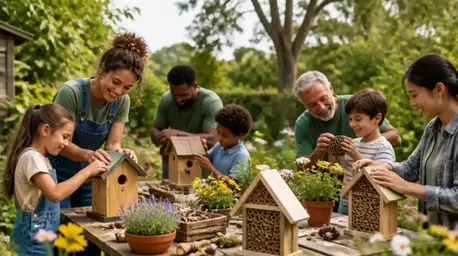
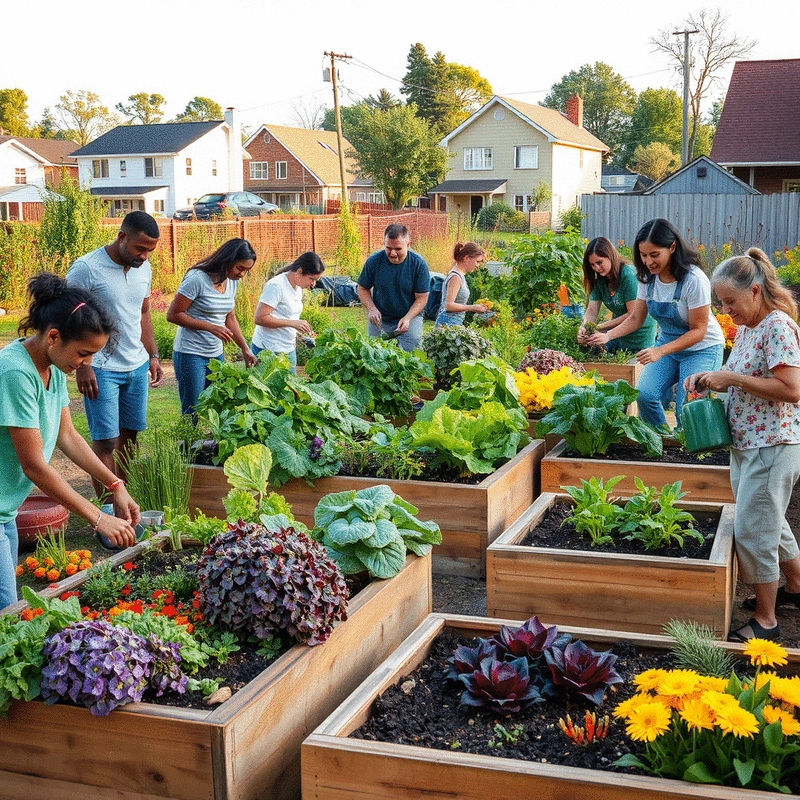
A sustainable community garden can help improve local ecosystems by introducing native plants. These plants provide essential habitats for local wildlife, including birds, butterflies, and beneficial insects. By enhancing biodiversity, we can create a balanced environment that supports healthy ecosystems right in our backyards!
One of the most significant benefits of a community garden is the opportunity to incorporate native plants, which are perfectly adapted to local climates and soils. By planting these species, we can promote a thriving habitat for various animal species while minimizing the need for water and fertilizers. Plus, native plants often require less maintenance, allowing us to enjoy the beauty of our garden with less effort! For more detailed guidance, check out these suburban sustainable gardening tips.
When we select native plants for our community garden, we’re not just beautifying our space; we’re also making a statement about our commitment to sustainability. Imagine the joy of watching butterflies flutter around while children play in a garden filled with vibrant, native flora. It’s a wonderful way to connect with nature and engage our community!
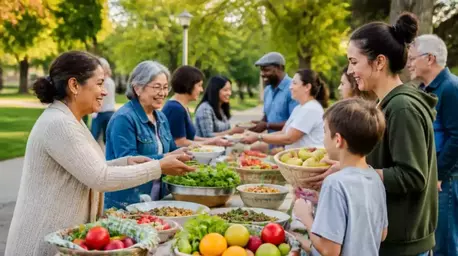
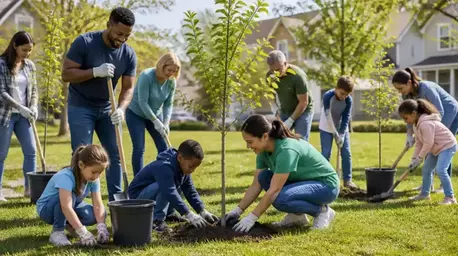
Creating a sustainable community garden is about more than just planting seeds; it’s about building connections. When neighbors come together to cultivate a green space, they foster a sense of community and belonging. Community gardens encourage collaboration and teamwork, leading to improved social ties among residents.
At Greener Suburbs, we’ve witnessed firsthand how community gardening can spark friendships and create lasting memories. Whether it’s sharing gardening tips or hosting seasonal festivals, these relationships enrich our lives and strengthen our community bonds. Let’s come together, roll up our sleeves, and watch our neighborhoods flourish!
By starting a community garden, we’re not only growing plants; we’re also supporting local food systems. Community gardens can provide fresh, healthy produce to residents, reducing reliance on store-bought fruits and vegetables. This not only promotes healthier eating habits but also helps cut down on carbon footprints associated with transporting food.
As we embrace this movement, we empower ourselves and our neighbors to take charge of our food sources. Imagine the satisfaction of gathering fresh tomatoes and cucumbers from our very own garden, knowing that we’re contributing to a healthier community. It’s a small step toward a larger impact, and I can’t wait to see how we can grow together!
To maximize the success of your community garden, consider implementing a "Garden Mentor" program. Pair experienced gardeners with novices to share knowledge and skills. This not only fosters learning but also strengthens community bonds, ensuring that everyone feels included and empowered in the gardening process!
Starting a community garden can be incredibly rewarding, but it also comes with its challenges! One of the first hurdles we often encounter is addressing concerns like noise and light pollution. Neighbors may worry about the sounds of gardening tools or the brightness of garden lighting during evening hours. It’s essential to approach these concerns thoughtfully and collaboratively, ensuring that everyone feels heard.
To effectively tackle noise and light pollution issues, consider the following strategies:
By proactively addressing these concerns, we can foster a harmonious environment that allows our garden to thrive while keeping neighborly peace intact!
Conflicts may arise within any community project, and community gardens are no exception. It’s vital to establish clear communication channels among all participants. When disagreements occur, I encourage using a collaborative approach to resolve them. Think of it this way: we’re all in this together for the love of gardening! You can find more tips on building community through connecting neighbors through sustainability.
Here are a few effective conflict resolution strategies:
By maintaining an open line of communication, we not only resolve conflicts but also strengthen our community bonds! Just like at Greener Suburbs, where we emphasize collaboration and support in our endeavors.
Understanding gardening regulations can feel a bit overwhelming, especially in suburban areas with specific zoning laws or HOA regulations. However, getting familiar with these regulations is crucial for the success of our community garden. Local government support can also be instrumental in this journey!
Here’s how to navigate these challenges:
By taking these steps, we can ensure our community garden operates smoothly and benefits from local resources. Together, we can create a space that not only beautifies our neighborhoods but also fosters a sense of belonging!
Here are some frequently asked questions about starting and maintaining sustainable community gardens:
As we wrap up this discussion, I hope you feel inspired to overcome the challenges associated with starting a community garden. Remember, it’s all about collaboration and community spirit! So, gather your neighbors, share your ideas, and let’s make something beautiful together. If you're ready to get started, here are some great community garden start-up tips.
Don’t forget to keep learning and adapting as you embark on this gardening adventure. With dedication and teamwork, your sustainable community garden can flourish and become a cherished space for everyone!
Here is a quick recap of the important points discussed in the article:
Clara Jennings is an environmental advocate and community organizer dedicated to promoting sustainable practices in suburban living. With a background in environmental science and years of experience in community engagement, Clara works passionately to inspire neighborhoods to embrace eco-friendly initiatives that enhance their surroundings and foster a sense of community.