Increased Wildlife
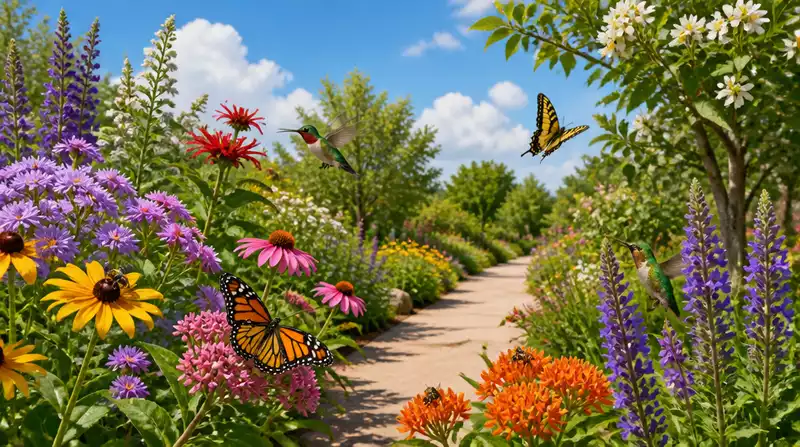
A diverse plant life attracts various insects, birds, and animals, enhancing the local ecosystem.
Did you know that nearly one-third of the food we consume relies on pollinators like bees and butterflies? Their vital role in our ecosystem cannot be overstated, yet many of us are unaware of how we can actively support these essential creatures in our communities. As we explore the creation of pollinator-friendly corridors, we unlock the potential to enhance biodiversity while beautifying our neighborhoods.
Pollinator corridors bring several key benefits to the ecosystem, as depicted below:
A diverse plant life attracts various insects, birds, and animals, enhancing the local ecosystem.
Different species can withstand varying weather conditions, enhancing ecosystem resilience.
Biodiversity helps keep pest populations in check through natural predators.
Pollination supports the growth of plants that prevent soil erosion.
When we think about vibrant suburban living, we often picture beautiful gardens, blooming flowers, and the delightful buzz of bees. But have you ever considered how crucial pollinators are to our ecosystem? In our quest for greener suburbs, creating pollinator-friendly community corridors can play a significant role in enhancing the health of our local environment while also beautifying our neighborhoods! For more ideas on how to improve your local area, check out organizing a neighborhood beautification project.
Pollinators, such as bees, butterflies, and even some birds, perform the essential task of transferring pollen from one plant to another. This process leads to seed and fruit production, which not only supports food sources for wildlife but also serves our gardens and farms. So, when we nurture these tiny heroes by establishing dedicated corridors, we’re fostering a robust ecosystem that benefits everyone—both humans and critters alike!
Have you ever wondered what would happen if pollinators vanished from our world? It’s a scary thought! The truth is, without these hard workers, we would face a significant decline in the variety of plants we depend on for food and shelter. That’s where understanding their role becomes vital for our communities.
Pollinators support not just biodiversity but also ecosystem resilience. They help maintain plant populations, which in turn support wildlife habitats. Here are a few key reasons to appreciate their importance:
Bees might be the most recognized pollinators, but butterflies and other insects also play a crucial role! They can be found fluttering about, adding color to our gardens while ensuring that plants reproduce. In my experience with Greener Suburbs, our community cleanups often reveal the joy of these creatures in action, bringing life to even the simplest green spaces.
Every type of pollinator has its strengths. For instance:
So, why should we care about creating these corridors? Imagine walking through your neighborhood and constantly being surrounded by buzzing bees and fluttering butterflies! Pollinator corridors not only enhance the beauty of our suburbs but also bring numerous other benefits that contribute to a healthier environment.
Creating these corridors can lead to increased biodiversity. With more plants available, we can support various forms of wildlife, which helps to create a rich tapestry of life in our community. This is particularly exciting for us at Greener Suburbs because we know firsthand the positive impact community initiatives can have!
When we introduce a variety of native plants and flowers into our neighborhoods, we're not just beautifying our space; we're actively promoting biodiversity. This means more food sources for pollinators, which, in turn, leads to healthier ecosystems. Consider these benefits:
Pollinators offer invaluable ecosystem services that go beyond just the act of pollination. They contribute to soil health, water purification, and the overall balance of our natural world. Here’s what pollinators help us achieve:
Creating pollinator-friendly community corridors is an empowering step toward a sustainable future. Together, we can make a difference for our environment, support local wildlife, and enjoy the beauty of nature right in our own neighborhoods. So, what do you think? Are you ready to embark on this journey to enrich our suburban landscape with vibrant life?
Here's a brief recap of the key points discussed so far:
Designing a pollinator-friendly community corridor is an exciting way to enhance our suburban landscapes while supporting vital pollinator populations. At Greener Suburbs, we believe that with a bit of planning and community effort, we can create beautiful spaces for local wildlife and invigorate our neighborhoods. Let’s dive into this step-by-step guide to get you started on your own corridor project!
The first step in creating your corridor is to assess the available spaces in your community. This means looking for existing green areas, parks, and gardens that can serve as potential hubs for pollinators. It’s also important to identify any gaps where additional planting could connect these spaces, allowing pollinators to thrive in a broader area.
By gathering this information, we can better understand the landscape and start envisioning how to create pathways for our buzzing friends. This groundwork is essential for ensuring that your community corridor is effective and supportive of pollinators! You can also find effective ways to manage waste in such projects by exploring suburban strategies for smart waste.
Once you’ve assessed the available spaces, the next step is to map out how these areas can connect. Think of this as creating a network of “stepping stones” for pollinators. It’s vital to ensure that these green spaces are not isolated but linked together, allowing easy access for bees and butterflies.
Visualizing this connectivity helps us grasp the overall impact of our corridor. It’s like creating a welcoming highway for our beloved pollinators, making it easier for them to find food and habitat!
As we plan our community corridor, it’s essential to incorporate features that support not only pollinators but other local wildlife as well. By designing wildlife corridors and pollinator pathways, we’re contributing to a diverse ecosystem in our suburban landscape! This aligns well with broader goals of building green spaces together.
By embracing urban ecology, we can create thriving corridors that benefit all creatures. Imagine a space where children can learn about nature while observing butterflies and bees buzzing around! How wonderful would it be to cultivate that kind of excitement in our neighborhoods?
Here is a quick recap of the important points discussed in the article:
Clara Jennings is an environmental advocate and community organizer dedicated to promoting sustainable practices in suburban living. With a background in environmental science and years of experience in community engagement, Clara works passionately to inspire neighborhoods to embrace eco-friendly initiatives that enhance their surroundings and foster a sense of community.