Commuting's Share of Emissions
Commuting accounts for nearly 30% of all greenhouse gas emissions in the U.S.
Did you know that commuting contributes to nearly 30% of all greenhouse gas emissions in the U.S.? Understanding the impact of our daily travel choices is essential to fostering a more sustainable future for our communities and the planet.
Understanding commuting's contribution to greenhouse gas emissions can guide us towards sustainable travel solutions. For more insights on how to manage waste effectively in suburban areas, consider exploring suburban strategies for smart waste reduction.
Commuting accounts for nearly 30% of all greenhouse gas emissions in the U.S.
Just one car can produce roughly 4.6 metric tons of carbon dioxide annually!
Making small adjustments to travel habits can lead to significant reductions in emissions.
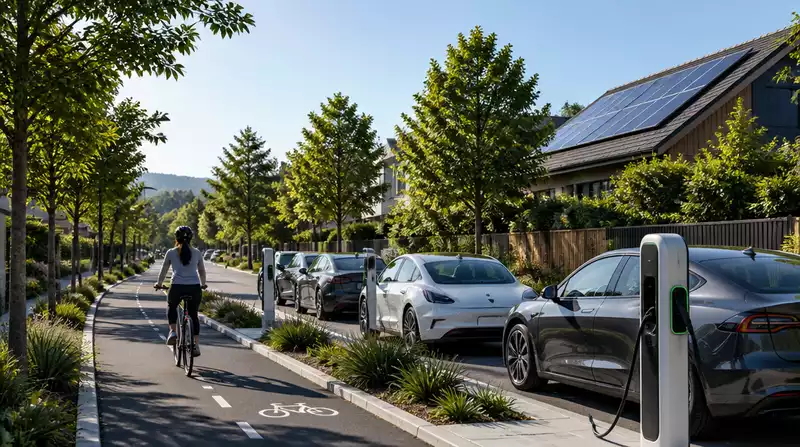
Consider walking, biking, or using public transport to reduce your carbon footprint.
Traveling through our suburban neighborhoods can have a big impact on the environment! At Greener Suburbs, we believe it's crucial to understand how every mile driven influences our carbon footprint. By addressing the environmental effects of our daily commutes, we can begin to imagine more sustainable ways to travel, making a difference for our community and the planet.
As we explore the relationship between suburban travel and sustainability, it's essential to recognize that our choices in transportation matter. Every car trip, whether it’s to work, school, or the grocery store, adds to carbon emissions. This is why understanding our daily travel habits is the first step toward adopting eco-friendly alternatives. Are you ready to rethink how we get around?
Many of us have a routine that involves regular commuting—whether that’s driving alone or sharing rides with family and friends. Did you know that commuting is one of the largest contributors to our personal carbon footprints? Knowing this fact can motivate us to find more sustainable options, such as those discussed in our article on sustainable tips for suburban living!
To visualize just how impactful commuting is, consider these points:
Suburban travel is a unique challenge because of the sprawling nature of these communities. Many amenities are spread out, resulting in longer distances and reliance on cars. However, by recognizing this challenge, we can take meaningful steps toward sustainability. As a community, we can work together to promote eco-friendly modes of travel!
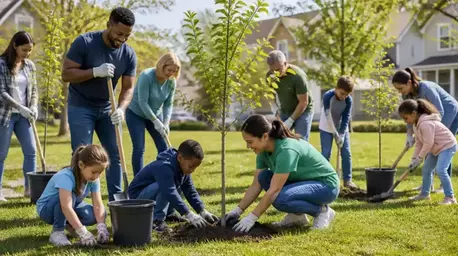
Imagine if more residents embraced walking, biking, or using public transport. Not only would our neighborhoods benefit from cleaner air, but we’d also foster a stronger sense of community. It’s an exciting opportunity to come together and make our suburbs a healthier place.
Every time we hop into our vehicles, we contribute to carbon emissions. This is why understanding the role of commuting is essential for promoting sustainability. It’s not just about individual choices; it’s about creating a culture of awareness and responsibility.
To help combat the impact of commuting, we can start by:
By making these changes, we can significantly reduce our carbon emissions and inspire others to follow suit. Let's take action to make our commutes lighter on the environment!
Here's a brief recap of the key points discussed so far:
As we wrap up our exploration of sustainable commuting, it's essential to reflect on the practical strategies we've discussed. By adopting eco-friendly transportation options, we can significantly reduce our carbon footprint while enhancing our suburban environments. Initiatives like those championed by Greener Suburbs can truly ignite community spirit and foster a culture of sustainability.
Here are some key takeaways to remember as we move forward:
Through our discussions, it's clear that there are multiple avenues to adopt a more sustainable commuting style in our suburbs. Each small action contributes to a larger impact when embraced by our community. As residents of our neighborhoods, we can all play a role in making these practices part of our daily lives.
Consider these practical strategies to enhance eco-friendly transportation in your routine:
Adopting eco-friendly transportation options isn’t just a personal choice; it's a powerful statement about the values we share as a community. By prioritizing sustainable commuting, we can create healthier neighborhoods and encourage others to join the movement. Remember, even small changes can lead to significant improvements in our environmental impact.
Additionally, we should celebrate and share our successes! By promoting stories of our community's green initiatives through platforms like Greener Suburbs, we can inspire even more residents to join our journey towards sustainability.
Community engagement is vital in our quest for greener suburban travel. When we come together, we amplify our voices and influence change. Consider these ways to boost community involvement:
Every bit of effort counts. When individuals come together through organizations like Greener Suburbs, our collective actions can pave the way for a more sustainable future, perhaps by even spurring a neighborhood beautification project!
As we look forward, it's crucial to encourage everyone to become part of the greener travel movement. Each one of us has the power to foster change within our community and support a sustainable future.
So, how can you get involved? Here are some actionable steps that anyone can take to contribute to our sustainability goals:
Getting involved in local sustainability initiatives is easier than you might think! Here’s a quick guide on how to start:
Local governments play a crucial role in supporting sustainable travel. By advocating for policies that promote green transportation options, they can facilitate change. Here are a few ways you can support this initiative:
Transportation Demand Management (TDM) strategies can significantly reduce congestion and emissions in our suburbs. By understanding and implementing TDM techniques, we can encourage sustainable travel. Here’s how:
By taking these steps, we can create a vibrant, sustainable future for our suburban communities! Remember, at Greener Suburbs, we believe that through collective action, we can build a greener, healthier environment for everyone. For more ways to take action, check out how to drive community actions for sustainable living.
Here is a quick recap of the important points discussed in the article:
Clara Jennings is an environmental advocate and community organizer dedicated to promoting sustainable practices in suburban living. With a background in environmental science and years of experience in community engagement, Clara works passionately to inspire neighborhoods to embrace eco-friendly initiatives that enhance their surroundings and foster a sense of community.