Over-Purchasing
Buying more food than needed for a household.
Food waste is an enormous problem, yet many neighborhoods overlook its impact. To spark a community movement towards sustainability, it’s crucial to engage neighbors, share resources, and create a culture of collaboration. By coming together, we can make a significant difference in reducing waste and enhancing our environment.
Understanding how households contribute to food waste is crucial for effective reduction strategies. Below is a visual representation highlighting the key factors contributing to food waste. For more insights on how to manage waste effectively, check out our guide on suburban strategies for smart waste.
Buying more food than needed for a household.
Not utilizing leftovers or uneaten meals.
Improper storage of perishable items.
Lack of awareness about expiration dates.
Have you ever thought about how much food we throw away in our neighborhoods? It’s staggering! At Greener Suburbs, we recognize that food waste is not just an individual problem; it’s a community challenge that requires a collective response. When we come together, we can make a significant impact on reducing waste and transforming our suburban living into an eco-friendly paradise.
Food waste is a massive issue affecting our environment and resources. Did you know that approximately one-third of all food produced globally is wasted? This not only represents a loss of valuable resources like water, land, and energy but also contributes to greenhouse gas emissions when food ends up in landfills. Addressing this growing concern is vital for a sustainable future, and it begins right in our own backyards!
By tackling food waste, we can all contribute to a healthier planet. Imagine your local park, once cluttered with litter from discarded food, now thriving with green spaces where families can gather! Together, we can create a vibrant community that values every morsel of food. For more tips on how to reduce your overall waste, explore our neighborhood waste reduction tips.
The effects of food waste on our environment are profound. When food is wasted, all the resources used to produce it—like water, soil, and energy—are wasted too. This means more landfills overflowing with organic waste, which, in turn, leads to increased methane emissions. Methane is a potent greenhouse gas that significantly contributes to climate change!
So, what can we do? By reducing food waste, we can lower our carbon footprint while also enhancing our community's sustainability. It’s about making small changes that can lead to big impacts. Every effort counts!
Our everyday habits play a substantial role in food waste. Items often go to waste due to over-purchasing, lack of planning, or simply forgetting about them in the back of our fridges. At Greener Suburbs, we believe that when neighbors work together, we can significantly reduce this waste! Here are some common ways neighbors contribute to food waste:
By sharing knowledge and resources, we can help each other minimize food waste. Let’s face this challenge together and create a culture of sustainability that we can all be proud of!
One of the best ways to reduce food waste is by creating a collaborative framework for food sharing within our neighborhoods. When we pool our resources, we not only lessen waste but also strengthen community bonds. Imagine a neighborhood where everyone shares surplus food instead of letting it go to waste—how wonderful would that be?
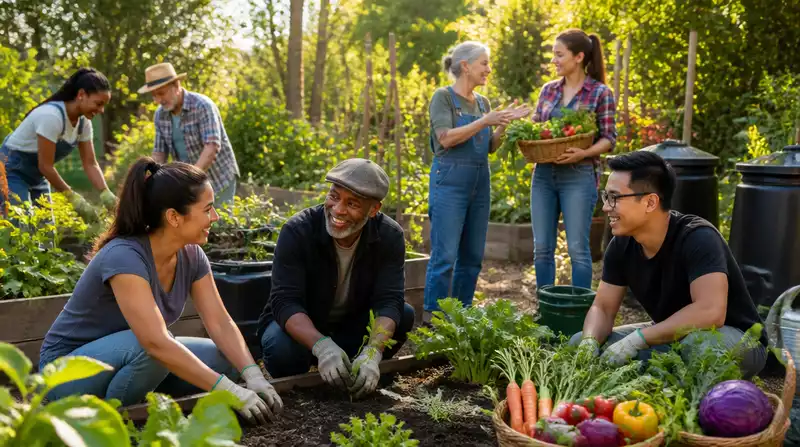
Engagement is key! It’s essential to involve your neighbors in food waste reduction initiatives. Start by organizing small gatherings where everyone can discuss their challenges and successes regarding food waste. When we share our experiences, we can learn from one another and develop strategies that work for us as a community.
Here are some effective ways to gather participants for neighborhood food initiatives:
Let’s make our efforts known and create excitement around reducing food waste. Together, we can inspire profound change.
Gathering participants can feel daunting, but it’s easier than you think! Begin by reaching out through personal connections, inviting friends and family to join the cause. Once you have a small group, the enthusiasm can spread like wildfire. Don’t hesitate to share your own story and how you’ve been affected by food waste—personal stories resonate.
Utilizing social media platforms can also be a game-changer. Consider creating a local group dedicated to food sharing and waste reduction. You’ll be amazed at how many neighbors are eager to join this exciting journey! For more ideas on how to get started, check out our guide on starting your community green initiative.
Effective communication is crucial for any successful initiative. Setting up a WhatsApp group or a community board will help keep everyone in the loop about food-sharing events and discussions. This way, we can easily share updates, successes, and even leftover food availability!
Don’t forget about the power of traditional communication methods too. Placing announcements on community boards in local stores or libraries can reach those who might not be online. Remember, the more avenues we use, the more people we can reach!
Did you know that collaborating with local farmers and food banks can amplify your food waste reduction efforts? By establishing partnerships, you can create a network where surplus food is redistributed to those in need, effectively minimizing waste while supporting your community. Consider reaching out to local organizations to explore how you can work together!
Here are some common questions about tackling food waste and building sustainable communities:
As we embark on this journey of reducing food waste together, trust is the cornerstone of successful community sharing. When neighbors feel comfortable participating, it creates a vibrant atmosphere of collaboration. But how do we build that trust? Let’s explore some effective strategies to create a welcoming environment where everyone feels valued and included!
First, it’s important to establish clear group rules and expectations. By laying down some ground rules, we can foster a sense of fairness among participants. Consider discussing guidelines on food quality, sharing etiquette, and communication norms. This transparency helps everyone understand what’s expected, making the process smoother and more enjoyable. You can find more advice on fostering community engagement by exploring connecting neighbors through sustainability.
Even in the most harmonious neighborhoods, conflicts can arise! It’s essential to have strategies in place to address any issues that may come up during food sharing events. Open communication is key. Encourage neighbors to express their concerns and suggestions, creating a safe space for everyone to voice their opinions.
By proactively managing conflicts, we can maintain a positive and inclusive atmosphere that encourages participation and engagement.
Creating a set of rules is not only about managing conflicts; it’s also about shaping a supportive environment. Start by gathering input from all participants to ensure that everyone feels heard. Here are some rules to consider:
By establishing these guidelines collaboratively, we can enhance our neighborhood’s food sharing experience!
Building trust goes beyond rules; it’s about nurturing relationships! One way to foster a culture of trust is by organizing regular gatherings. These events can help neighbors get to know each other better. Think about:
When we connect on a personal level, we create a strong foundation for trust and collaboration!
Now that we’ve established trust and communication, let’s take action! It’s time to put our ideas into practice and make a real impact in our community. How do we get started? Here are some actionable resources and templates that can guide us along the way!
Having the right tools at our disposal can make all the difference! Here’s a list of resources you can use to kickstart your neighborhood food waste initiative:
By utilizing these resources, we can ensure everyone is on the same page and excited to participate! You might also find inspiration from organizing your community swap day, which uses similar principles.
To keep the momentum going, we need to find ways to engage our neighbors continuously. Here are some strategies to encourage ongoing participation:
These efforts will help create excitement and drive collective action in our neighborhood!
Finally, let’s not forget the power of local events! Organizing community outreach activities can be a fun way to engage residents. Some ideas to consider include:
By coming together for these events, we can strengthen our community bonds and promote eco-friendly practices effectively!
As we wrap up our exploration into food waste reduction, remember that every small action counts. You can make a difference in your local area! Share your thoughts, experiences, and ideas with your neighbors. Together, we can create a sustainable future filled with vibrant communities!
Get involved by starting conversations with your neighbors about food sharing! Encourage them to join local initiatives and promote eco-friendly practices. It’s amazing how one person’s enthusiasm can inspire others to take action.
Don’t keep your ideas to yourself! By sharing your experiences with food waste initiatives, you can motivate others to join the movement. Utilize platforms like social media or neighborhood apps to spread the word. Imagine the impact we can have when everyone is engaged!
Finally, let’s continue promoting eco-friendly practices in our daily lives. From composting to reducing single-use plastics, every step we take contributes to a greener future. Join me, Clara Jennings from Greener Suburbs, in making our neighborhoods cleaner and more sustainable for everyone!
Here is a quick recap of the important points discussed in the article:
Clara Jennings is an environmental advocate and community organizer dedicated to promoting sustainable practices in suburban living. With a background in environmental science and years of experience in community engagement, Clara works passionately to inspire neighborhoods to embrace eco-friendly initiatives that enhance their surroundings and foster a sense of community.