Impact on Wildlife
Plastic items can take hundreds of years to decompose, posing a threat to wildlife. For example, turtles often mistake plastic bags for jellyfish.
Every year, millions of tons of single-use plastics find their way into our environment, contributing to pollution and endangering wildlife. What if you could be part of the solution? By understanding the challenge of single-use plastics, you can rally your community to make impactful changes for a healthier planet.
Understanding the consequences of single-use plastics is crucial to fostering a plastic-free community. Below are key statistics and benefits associated with reducing plastic use.
Plastic items can take hundreds of years to decompose, posing a threat to wildlife. For example, turtles often mistake plastic bags for jellyfish.
A plastic-free community leads to cleaner streets, healthier wildlife, and increased community pride.
Approximately 30% of waste can be recycled, reducing landfill overflow and promoting a circular economy.
Reducing plastic waste leads to improved air and water quality, benefiting both wildlife and human health.
As we step outside and breathe in the fresh air, it’s hard to ignore the impact of single-use plastics around us. These items, designed for one-time use, often end up in our landfills and oceans, causing significant harm to our environment. Have you ever noticed how a simple plastic bag or a coffee cup can linger in nature for hundreds of years? Together, we need to address this pressing issue in our neighborhoods!
Single-use plastics include items like straws, utensils, and plastic bags. Their convenience comes at a high cost to our planet. The environmental impact is staggering: they contribute to pollution, harm wildlife, and even affect our health. At Greener Suburbs, we believe that by understanding the challenge of these plastics, we can rally our community to make a change. Remember, every small effort counts! For more tips on managing waste in your community, check out our guide on suburban strategies for smart waste.
Single-use plastics are everyday items that are used once and thrown away. They are affordable and easy to find, but their convenience comes with a heavy price tag for our environment. Let's look at some common examples:
These materials often end up in our beautiful parks and waterways, creating unsightly litter and endangering local wildlife. Imagine a turtle mistaking a plastic bag for a jellyfish! It's a heartbreaking scenario that we can prevent by reducing our reliance on single-use plastics.
Creating a plastic-free community is not just about aesthetics; it's about improving the quality of life for everyone. When we reduce plastic waste, we also enhance our local environment and protect our health. Picture parks free from plastic debris, where children can play without worry. Doesn’t that sound inviting?
To build this vision, we need to work together as a community. Here are some benefits of a plastic-free neighborhood:
At Greener Suburbs, we believe that eliminating single-use plastics will not only beautify our neighborhoods but also strengthen our community bonds! By taking action, we can create a sustainable environment that our families can thrive in. Learn more about how to reduce plastic use in communities for a healthier environment.
Raising awareness about *plastic pollution* is vital to driving change in our neighborhoods! Many residents may not realize the extensive impact of single-use plastics on our environment. By sharing information and personal stories, we can inspire others to join our efforts.
Here are some effective ways to raise awareness in your community:
These initiatives can help spark conversations and motivate residents to take action. Let’s come together to make our community a beacon of sustainability! What ideas do you have for raising awareness? Share them with us and join the movement!
Here's a brief recap of the key points discussed so far:
Single-use plastics are everyday items designed to be used once and then thrown away, such as plastic bags, water bottles, and straws. They are a significant source of environmental pollution.
A plastic-free community leads to cleaner streets and parks, healthier wildlife, a reduced carbon footprint, and increased community pride. It improves the overall quality of life for residents.
You can raise awareness by organizing educational workshops, creating engaging social media posts, hosting community clean-up events, and collaborating with local schools for awareness programs.
Common forms of resistance include concerns about increased costs for eco-friendly alternatives, the inconvenience of changing shopping habits, and questions about the effectiveness of recycling programs.
Many local governments implement regulations like plastic bag bans or incentives for businesses adopting sustainable practices. Aligning campaigns with these policies can gain momentum and support from local leaders.
When embarking on a plastic reduction campaign, it's common to encounter resistance from both residents and local businesses. Many people worry about the inconvenience or added costs associated with reducing single-use plastics. It's crucial to address these concerns head-on and provide clear, relatable information that showcases the benefits of a plastic-free community.
One effective way to address concerns is by organizing community meetings where residents can express their worries. Listening and responding with empathy can foster trust, making it easier to rally support for your cause. I often remind people that every small step counts! Here are some common concerns you might face:
By providing well-researched answers and sharing success stories from other neighborhoods, you can mitigate these concerns and build a stronger coalition for change. For more ideas on how to engage your community, read about engaging residents in green initiatives.
Understanding the legal landscape can significantly empower your campaign. Many states and local governments are beginning to implement regulations that support plastic reduction, such as bans on plastic bags or incentives for businesses that adopt sustainable practices. Staying informed about these laws can help guide your community's efforts and provide a framework for your campaign.
Consider creating a list of existing policies that favor your goals, such as:
By aligning your campaign with these policies, you can gain momentum and encourage local leaders to support your cause actively. Plus, having a legal backing can increase community trust and participation!
Partnering with local advocacy groups can amplify your efforts significantly. These organizations often have experience in mobilizing communities, organizing campaigns, and advocating for policy changes. Collaborating with them also helps build credibility for your initiative.
Here are some strategies for effective collaboration:
By tapping into these resources, your campaign can gain the strength and visibility needed to achieve lasting change. Remember, we’re all in this together! To get started, you might consider how to join our eco-friendly cleanup efforts.
Once your campaign is underway, it's essential to keep the momentum going. Continuous community engagement is vital to ensure that residents remain invested in reducing plastic waste. Sharing success stories can inspire others and foster a sense of accomplishment. When we celebrate our wins, no matter how small, it encourages more participation.
Consider highlighting individual or group efforts within the community. This could be done through social media shout-outs, newsletters, or local events. Here are some examples of success stories you can share:
Each of these stories serves as a beacon of hope, showing what’s possible when we work together. Let’s keep that spirit alive!
A successful campaign doesn't end with just one event; it's about fostering a long-term vision for a sustainable future. As we continue to work on reducing plastic waste, we should be thinking about how to make eco-friendly practices a permanent part of our suburban lifestyle.
Some ways to maintain this vision include:
By laying the groundwork for a sustainable future, we can ensure that our neighborhoods remain beautiful and environmentally friendly for generations to come. Together, we can make a difference!
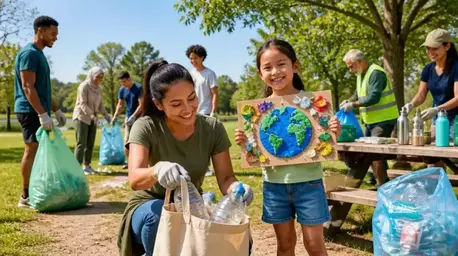
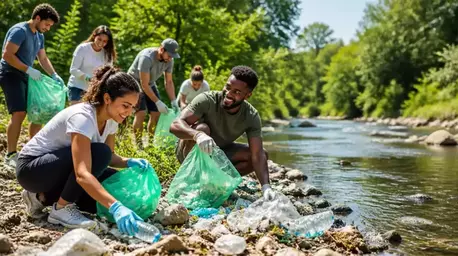
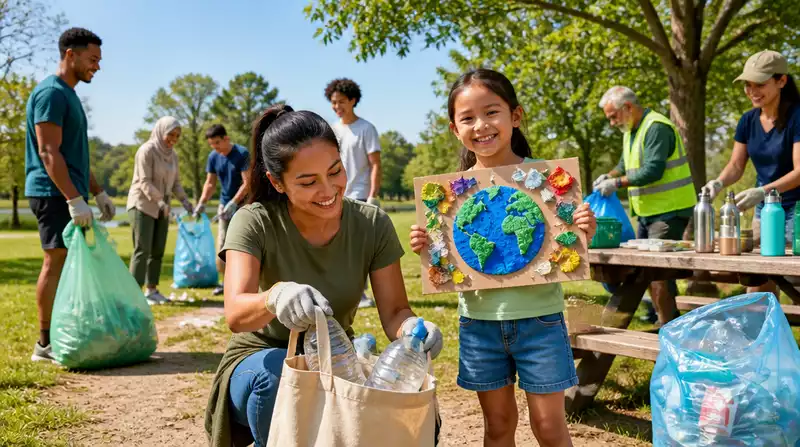
Clean-up drives are an excellent way to involve everyone in the community while directly addressing the problem of plastic pollution. These events not only improve our surroundings but also promote a sense of unity and shared responsibility. Plus, they can be a lot of fun! I always find it rewarding to see families and friends coming together for a common cause.
To successfully promote these drives, consider:
By actively participating in these events, we can ensure cleaner neighborhoods and a greater emphasis on environmental justice. It’s about creating spaces where everyone can thrive, and together, we can achieve this goal! Find out more about how clean suburbs benefit local wildlife.
Here is a quick recap of the important points discussed in the article:
Clara Jennings is an environmental advocate and community organizer dedicated to promoting sustainable practices in suburban living. With a background in environmental science and years of experience in community engagement, Clara works passionately to inspire neighborhoods to embrace eco-friendly initiatives that enhance their surroundings and foster a sense of community.