In the pursuit of creating sustainable suburban communities, have you ever considered the impact of your energy choices? Every small decision can contribute to a healthier planet and a more comfortable home. Let’s explore how we can embrace energy efficiency together!
Key Takeaways
Energy-efficient homes utilize features like high-quality insulation, Energy Star appliances, and smart technology to reduce energy consumption.
Sustainable living improves air quality, enhances property values, and fosters community engagement through shared projects.
Incorporating renewable energy sources like solar panels and wind turbines significantly boosts energy efficiency and decreases reliance on fossil fuels.
Simple actions such as adjusting your thermostat, unplugging devices when not in use, and sealing air leaks can lead to substantial energy savings.
Getting involved in local workshops and initiatives strengthens community ties while promoting sustainable practices and energy-saving techniques.
Conscious choices like opting for public transport, eating locally, and choosing native plants can significantly reduce your carbon footprint.
Key Features of Energy-Efficient Homes
This section outlines the essential characteristics that define energy-efficient homes, emphasizing their impact on sustainability and energy conservation. For more comprehensive sustainable tips for suburban living, explore our dedicated resources.
High-Quality Insulation
Keeps your home warm in winter and cool in summer.
Energy Star Appliances
Use less energy than standard models.
Efficient Windows
Minimize heat loss or gain.
Smart Thermostats
Optimize heating and cooling based on your schedule.
Understanding Energy Efficiency in Suburban Living
Have you ever considered how energy efficient your home really is? In our quest for a greener world, understanding *energy efficiency* is essential, especially in suburban living. It’s not just about saving money; it’s about creating a sustainable future for our communities. At Greener Suburbs, we believe that every small change can lead to a big impact!
Energy efficiency in suburban homes can significantly reduce our carbon footprints and enhance our quality of life. This means using less energy to perform the same tasks and keeping our homes comfortable while being environmentally responsible. By adopting energy-efficient practices, we can foster a cleaner, healthier living environment for all!
Defining Energy-Efficient Homes: What You Need to Know
So, what makes a home energy-efficient? An energy-efficient home is designed to reduce energy consumption through various means. This includes effective insulation, energy-efficient appliances, and smart technology. Here are some key features of energy-efficient homes:
High-Quality Insulation: Keeps your home warm in winter and cool in summer.
Energy Star Appliances: Use less energy than standard models.
Efficient Windows: Minimize heat loss or gain.
Smart Thermostats: Optimize heating and cooling based on your schedule.
By focusing on these features, we can create homes that not only conserve energy but also provide long-term savings on energy bills. At Greener Suburbs, we encourage our neighbors to explore how these features can be integrated into their own homes. You might also find valuable insights into eco-friendly suburban home tips to further enhance your efforts.
The Importance of Sustainable Living in Suburban Areas
Living sustainably in suburban areas is critical for many reasons. First, it contributes to a *healthier planet* by reducing greenhouse gas emissions and conserving natural resources. Second, sustainable living enhances our local communities, fostering a sense of togetherness and responsibility. Just imagine your neighborhood thriving with green spaces and environmentally friendly initiatives!
Here are some benefits of sustainable living in our suburbs:
Improved Air Quality: Less pollution means cleaner air for everyone.
Enhanced Property Values: Energy-efficient homes are appealing to buyers.
Community Engagement: Sustainability projects bring neighbors together.
At Greener Suburbs, we see firsthand how a commitment to sustainability can uplift our communities. By working together, we can make a significant impact on our environment and quality of life. So, let’s take the first steps together!
The Role of Renewable Energy in Suburban Efficiency
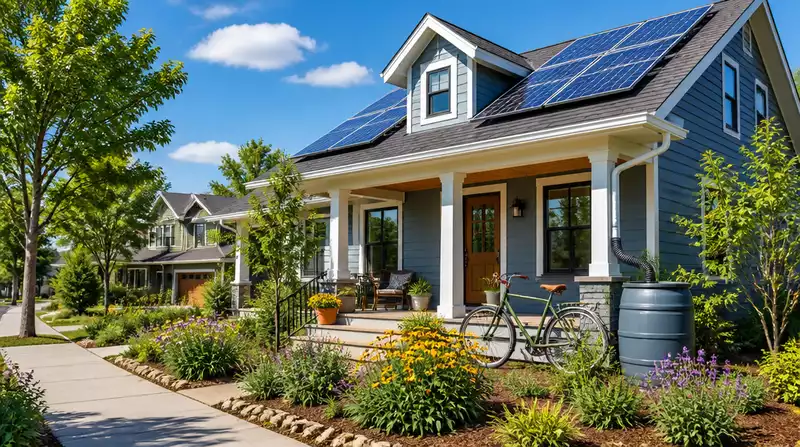
Renewable energy plays a vital role in boosting energy efficiency in our suburbs. By harnessing resources like *solar power* and *wind energy*, we can reduce our dependence on fossil fuels and lower energy costs. Picture your home powered by the sun’s rays, significantly cutting your energy bills while caring for the planet!
Consider these forms of renewable energy:
Solar Panels: Generate clean energy right from your roof.
Wind Turbines: Harness wind to produce electricity.
Geothermal Systems: Utilize the earth’s heat for heating and cooling.
Incorporating renewable energy sources not only enhances energy efficiency but also supports the fight against climate change. At Greener Suburbs, we stand behind initiatives that promote renewable energy, knowing that together we can create a more sustainable future for our communities.
Pro Tip
Did you know? Implementing a few energy-efficient changes can lead to savings of up to 30% on your energy bills! Start with small actions, like switching to LED lighting or using smart power strips, to make a significant impact over time.
Key Takeaways for Embracing Energy-Efficient Suburban Living
When it comes to making our suburban communities greener, small changes can lead to significant impact! By focusing on energy efficiency, we not only save on bills but also contribute to a healthier planet. Let's break down some practical steps to embrace energy-efficient living in our neighborhoods!
Summarizing Practical Steps for Energy Efficiency
To enhance energy efficiency in your home, consider these actionable steps:
Adjust your thermostat: A simple setting change can save up to 10% on your heating and cooling bills.
Unplug devices: Many appliances draw power even when not in use. Unplugging can reduce your energy consumption!
Choose energy-efficient appliances: Look for the Energy Star label when buying new products!
Seal leaks: Check for air leaks around windows and doors, and seal them to keep your home cozy.
By making these adjustments, you’ll not only enjoy lower energy bills but also contribute to a more sustainable community! Isn’t it rewarding to think about the positive difference we can make together?
Engaging with Community Resources for Sustainable Living
Community resources play a vital role in fostering energy-efficient habits. Here are some ways to connect:
Join local workshops: Participate in sessions about energy-saving techniques and eco-friendly practices.
Connect with Greener Suburbs: Engage in community cleanups and initiatives that promote sustainability.
Access local recycling programs: Learn about what can be recycled in your area to reduce waste.
Collaborate with neighbors: Share resources and tips on energy-saving strategies.
Getting involved with community initiatives not only helps the environment but also strengthens our bonds as neighbors! Imagine the conversations sparked by our shared commitment to a greener future! For more ideas, consider how to join our eco-friendly cleanup efforts.
Reducing Your Carbon Footprint through Conscious Choices
Every small choice contributes to a larger impact on our planet. Here are some conscious decisions we can make:
Opt for public transport: Whenever possible, use public transport or carpool to reduce emissions.
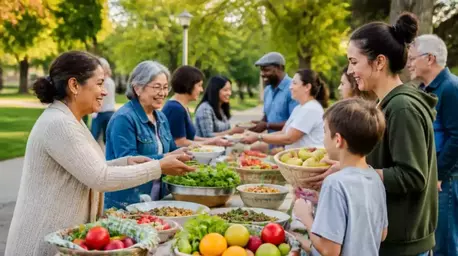
Eat local: Supporting local farmers reduces transportation energy and promotes sustainability.
Choose native plants: In landscaping, opt for native plants that require less water and care.
Practice mindful consumption: Buy only what you need, and consider second-hand options to decrease waste.
By making these thoughtful choices, we can significantly reduce our carbon footprints! It’s a simple yet powerful way to nurture our environment while promoting a sustainable suburban lifestyle.
Frequently Asked Questions About Energy-Efficient Suburban Living
What defines an energy-efficient home?
An energy-efficient home is designed to minimize energy consumption through features like high-quality insulation, Energy Star appliances, efficient windows, and smart thermostats, leading to reduced utility bills and a smaller carbon footprint.
How does sustainable living benefit suburban communities?
Sustainable living in suburban areas leads to improved air quality, enhanced property values, and increased community engagement through shared environmental projects and initiatives.
What role does renewable energy play in suburban efficiency?
Renewable energy sources like solar panels, wind turbines, and geothermal systems are crucial for boosting energy efficiency in suburbs. They reduce reliance on fossil fuels, lower energy costs, and contribute significantly to combating climate change.
What are some practical steps homeowners can take to improve energy efficiency?
Homeowners can adjust their thermostats, unplug devices when not in use, choose Energy Star-rated appliances, and seal air leaks around windows and doors to achieve substantial energy savings.
How can community involvement support energy efficiency and sustainability?
Engaging with community resources through local workshops, participating in cleanups, accessing recycling programs, and collaborating with neighbors on energy-saving strategies can strengthen community bonds and promote sustainable practices.
Encouraging Action: Your Path to an Energy Efficient Home
It's time to take action and embark on our journey toward an energy-efficient home! Together, we can create a greener future for our neighborhoods.
Creating a Personal Energy Audit Checklist
Let’s start with a personal energy audit! Here’s a checklist to guide you:
Check and adjust your thermostat settings.
Inspect windows and doors for air leaks.
Unplug unused devices and chargers.
Evaluate your lighting; switch to LED bulbs.
Review your appliances and consider Energy Star options.
By following this checklist, you’ll have a clearer understanding of where to focus your energy-saving efforts. Plus, it’s a fantastic way to get the whole family involved!
Join Local Initiatives for Energy Efficiency and Sustainability
Are you ready to take the next step? Here are some ideas to get involved:
Attend community meetings: Share your ideas and learn from others about energy efficiency.
Participate in neighborhood cleanups: Join Greener Suburbs in initiatives that promote a cleaner community.
Create a local challenge: Start a friendly competition among neighbors to see who can save the most energy!
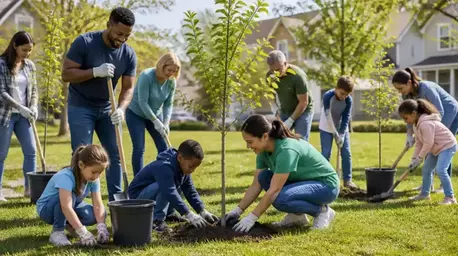
Volunteer for local sustainability projects: Help plant trees or create community gardens.
Engaging with local initiatives not only helps our environment but also builds a vibrant community spirit. Together, we can make a lasting difference in our suburbs! For more on reducing waste, check out our guide on suburban strategies for smart waste.
Recap of Key Points
Here is a quick recap of the important points discussed in the article:
Energy Efficiency Essentials: Focus on high-quality insulation, Energy Star appliances, efficient windows, and smart thermostats to reduce energy consumption.
Sustainable Living Benefits: Promotes improved air quality, increases property values, and fosters community engagement.
Renewable Energy Sources: Consider solar panels, wind turbines, and geothermal systems to enhance energy efficiency and reduce reliance on fossil fuels.
Practical Steps for Homeowners: Adjust thermostats, unplug devices, choose energy-efficient appliances, and seal air leaks to save on energy costs.
Community Involvement: Join local workshops, participate in cleanups, and collaborate with neighbors to promote sustainability initiatives.
Conscious Choices: Opt for public transport, eat local, choose native plants, and practice mindful consumption to reduce your carbon footprint.
Clara Jennings
Clara Jennings is an environmental advocate and community organizer dedicated to promoting sustainable practices in suburban living. With a background in environmental science and years of experience in community engagement, Clara works passionately to inspire neighborhoods to embrace eco-friendly initiatives that enhance their surroundings and foster a sense of community.
Popular Posts
Build Your Community Food Network
What if your community could eliminate hunger and strengthen bonds among neighbors? Community food-s
Low-Waste Weekly Shopping Tips
Have you ever considered how the simple act of shopping can significantly impact our environment? Ad
Greener Suburbs is dedicated to cultivating sustainable and vibrant suburban communities through active participation in eco-friendly initiatives. Our mission is to promote cleanliness, encourage recycling, reduce waste, and enhance the beauty of our neighborhoods for a healthier future.