Enhance Your Garden’s Climate Resilience
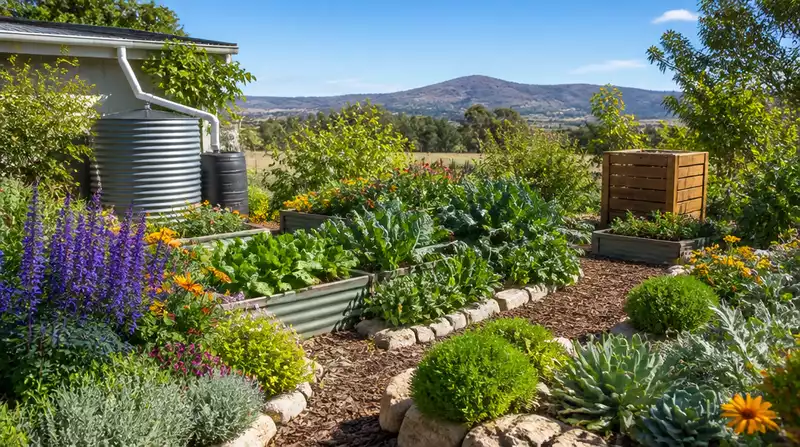
In a world increasingly affected by climate change, our gardens can become powerful allies in promoting sustainability. What if your garden not only beautifies your environment but also actively contributes to combating climate challenges? By understanding and adopting climate-resilient gardening practices, you can forge a path toward a greener future for both your home and community.
What You Will Learn
- The importance of climate-resilient gardening practices, including the selection of drought-resistant plants and improved soil health.
- Effective techniques for enhancing soil quality, such as composting, cover cropping, and using organic materials.
- Strategies for water conservation, including rain barrels and efficient irrigation methods to maximize water use.
- The benefits of engaging with local gardening communities for knowledge sharing and resource access.
- How to create a balanced ecosystem in your garden by encouraging biodiversity and utilizing native plant species.
- The value of documenting and sharing your gardening journey to inspire others and promote sustainable living practices.
Key Practices for a Climate-Resilient Garden
Explore the fundamental strategies for cultivating a sustainable garden that thrives in harmony with climate challenges. By focusing on these principles, you can transform your outdoor space into a resilient haven. This also ties into broader sustainable tips for suburban living, ensuring your efforts contribute to a healthier environment.
Soil Health
Focus on enriching your soil with compost and amendments to boost fertility.
Water Conservation
Use rain barrels, swales, and drip irrigation to maximize water efficiency.
Plant Selection
Choose native, drought-tolerant, and heat-resistant plants suited to your region.
Protection Strategies
Implement windbreaks and shade trees to shield your garden from harsh elements.
Understanding Climate-Resilient Gardening for a Sustainable Future
Gardening is more than just a hobby; it's a way to connect with nature and contribute to our communities. At Greener Suburbs, we believe that embracing climate-resilient gardening is crucial for a sustainable future. But what exactly does it mean to be climate-resilient? Let’s explore how we can adapt our gardening practices to better withstand climate challenges while still enjoying the beauty of our green spaces.
Climate-resilient gardening focuses on creating gardens that can thrive despite climate change. This involves selecting plants, improving soil health, and implementing water conservation strategies that work with, rather than against, nature's cycles. By understanding and adapting to these changes, we can foster gardens that not only survive but also contribute positively to our environment.
Defining Climate-Resilient Gardening
When we talk about climate-resilient gardening, we refer to practices that enable gardens to cope with extreme weather events and shifting climate conditions. It’s about making informed choices that promote sustainability across our landscapes. Here are some key features that characterize a climate-resilient garden:
- Utilizing drought-resistant plants to reduce water dependency.
- Improving soil health to support plant resilience.
- Implementing efficient water management systems.
- Encouraging biodiversity to create a balanced ecosystem.
These practices not only enhance the longevity of our gardens but also contribute to the overall health of our suburban communities. By cultivating gardens that can adapt, we are paving the way for a greener tomorrow, much like participating in eco-friendly cleanup efforts fosters a healthier community!
What Does It Mean for Your Garden's Sustainability?
A sustainable garden is one that requires minimal input while maximizing output. This means less reliance on chemical fertilizers and more focus on natural processes. For instance, by building healthy soil through composting and mulching, you can create a thriving ecosystem that supports your plants and reduces waste.
When your garden is sustainable, it becomes a part of the local environment. It aids in carbon sequestration, improves air quality, and provides habitats for wildlife. It’s a win-win situation, don’t you think? Just imagine stepping into your backyard and seeing a vibrant, thriving garden that not only beautifies your home but also supports local biodiversity!
Importance of Adapting to Climate Stressors
Climate stressors, such as droughts and heavy rains, can be detrimental to our gardens if we don't adapt. By understanding these factors, we can make strategic changes. For example, planting native species that are already adapted to local conditions can significantly improve your garden's resilience.
Moreover, by implementing practices like permaculture principles and crop rotation, we can help our gardens withstand the unpredictable nature of climate change. This way, we not only protect our beloved plants but also contribute positively to our community’s environmental health.
The Role of Soil Health in Climate-Ready Gardening
Did you know that healthy soil is the foundation of a climate-resilient garden? Healthy soil supports plant growth, retains moisture, and helps in the absorption of nutrients. It’s like creating a safety net for your plants! Here are some ways to improve your soil health:
- Regularly add organic matter like compost.
- Practice cover cropping to protect soil during off-seasons.
- Conduct soil tests to understand nutrient requirements.
At Greener Suburbs, we advocate for hands-on soil improvement practices. It’s not just about the garden; it’s about creating a sustainable environment that resonates with our community’s values!
Why Soil Health is Crucial for Resilience
Soil health is vital because it directly impacts plant growth and survival. Well-aerated, nutrient-rich soil allows plants to establish strong root systems, making them more resilient to drought and pests. Think of it this way: a strong foundation makes for a sturdy house! Investing in your soil today means fewer gardening headaches tomorrow.
And let’s not forget about the ecosystem beneath our feet! Healthy soil is teeming with life—earthworms, beneficial microorganisms, and other critters that help break down organic matter and promote plant growth. Embracing these natural processes is key to successful gardening.
Effective Techniques for Improving Soil Quality
Improving soil quality doesn’t have to be a daunting task. Here are some effective techniques you can implement:
- Incorporate organic materials like leaves, grass clippings, and kitchen scraps to enhance fertility.
- Practice no-till gardening; it protects soil structure and reduces erosion.
- Rotate crops annually to prevent nutrient depletion.
With these simple steps, you’ll be well on your way to cultivating a robust and resilient garden that can stand up to the test of changing climates!
Utilizing Mulch for Moisture Retention and Erosion Control
Mulching is one of the easiest ways to enhance soil health while also conserving moisture. A thick layer of mulch can help retain soil moisture, suppress weeds, and control erosion. Imagine your garden basking in the sunlight, with rich, dark mulch providing the perfect backdrop for your colorful plants!
What’s more, mulching is a great way to recycle organic materials. You can use wood chips, straw, or even shredded leaves from your own yard. By keeping our gardens healthy and vibrant, we are taking part in a larger mission to create beautiful, sustainable suburbs.
Incorporating Soil Amendments and Composting for Enhanced Fertility
Composting is a simple yet powerful method to improve soil fertility. By turning kitchen scraps and yard waste into rich compost, you are recycling resources while nourishing your garden. It’s like giving your plants a hearty meal!
Additionally, incorporating amendments such as lime, gypsum, or organic fertilizers can improve soil structure and nutrient levels. This not only boosts plant growth but also enhances the overall health of your garden. Together, we can create gardens that truly thrive!
Frequently Asked Questions About Climate-Resilient Gardening
What is climate-resilient gardening?
Climate-resilient gardening involves practices that enable gardens to thrive despite extreme weather events and shifting climate conditions. It focuses on sustainability, plant selection, soil health, and water conservation to create adaptable ecosystems.
Why is soil health important for a climate-resilient garden?
Healthy soil is the foundation of a resilient garden. It supports strong plant growth, retains moisture, absorbs nutrients efficiently, and fosters beneficial microorganisms, making plants more resistant to drought and pests.
What are some effective water conservation strategies for gardens?
Effective water conservation strategies include using rain barrels to collect rainwater, creating swales to direct and retain water in the landscape, and implementing drip irrigation systems to deliver water directly to plant roots, minimizing waste.
How can I encourage biodiversity in my garden?
You can encourage biodiversity by planting native species, which provide food and habitat for local wildlife, building features like bird baths or insect hotels, and avoiding synthetic pesticides that harm beneficial insects.
What role does community engagement play in sustainable gardening?
Community engagement is vital for sustainable gardening. Sharing knowledge, resources, and success stories with fellow gardeners fosters a culture of sustainability, provides support, and inspires collective action towards greener communities.
Engage with Your Gardening Community!
Have you ever thought about how sharing your gardening journey can inspire others? Community engagement not only enriches your own experience but also fosters a culture of sustainability. By connecting with fellow gardeners, you can exchange valuable tips and success stories that enhance your climate-resilient gardening efforts.
Consider starting a local gardening group or participating in online forums. What gardening techniques have you found most effective? We’d love to hear your thoughts!
Summarizing Key Practices for a More Climate-Resilient Garden
As we conclude our discussion on creating a climate-resilient garden, it’s essential to recap the fundamental strategies we’ve explored. By focusing on soil health, effective water management, selecting the right plants, and protective measures, you can cultivate a flourishing and sustainable garden. These practices aren't just about survival; they are about thriving in harmony with our changing climate!
Integrating these elements creates a holistic garden ecosystem that can withstand climate stressors. Each component works together—healthy soil fosters resilient plants, while effective water conservation ensures sustainability. Remember, every small action contributes to a larger impact, helping us build a greener future, one garden at a time!
Recap of Soil, Water, Plant Selection, and Protection Strategies
Here’s a quick summary of the key practices that lead to a climate-resilient garden:
- Soil Health: Focus on enriching your soil with compost and amendments to boost fertility. This is also a key part of suburban strategies for smart waste, by diverting organic materials from landfills.
- Water Conservation: Use rain barrels, swales, and drip irrigation to maximize water efficiency.
- Plant Selection: Choose native, drought-tolerant, and heat-resistant plants suited to your region.
- Protection Strategies: Implement windbreaks and shade trees to shield your garden from harsh elements.
This integrative approach to gardening not only enhances resilience but also supports local ecosystems. Each of these strategies contributes to a vibrant and sustainable garden that reflects our commitment to the environment.
Highlighting the Integrative Approach for Garden Resilience
The beauty of climate-resilient gardening lies in its interconnectivity. By embracing an integrative approach, we can create gardens that are not just visually appealing but also environmentally supportive. Imagine your garden as a network—each plant, soil amendment, and water-saving technique working in unity!
For example, when you plant a variety of native species, you not only enhance biodiversity but also attract beneficial insects that help control pests. This creates a balanced ecosystem that thrives naturally. It’s these little details that make a big difference!
Encouraging Community Engagement and Knowledge Sharing
As we embark on our gardening journeys, let's not forget the power of community! Engaging with local gardening groups can provide invaluable support and resources. Together, we can share our knowledge, successes, and even our challenges.
Consider joining or forming a community gardening group in your neighborhood. This is a fantastic way to learn from others and share tips on sustainable practices. Here are some benefits to community engagement:
- Access to shared resources and tools.
- Opportunities to participate in workshops and demonstrations.
- A platform to share success stories and inspire others.
At Greener Suburbs, we believe that sharing our experiences helps strengthen community bonds, fostering a deeper commitment to sustainability. Imagine the joy of seeing your neighbor’s thriving garden and knowing you contributed to that success!
Promoting the Sharing of Success Stories and Case Studies
Success stories are powerful tools for motivation! When we share our gardening triumphs—whether it’s a bountiful harvest or a visually stunning landscape—we inspire others to take action as well. Our collective experiences can serve as valuable case studies for others in the community.
Consider documenting your gardening journey on social media or through local newsletters. By sharing your challenges and accomplishments, you can spark interest and encourage others to join the movement toward sustainable living. Remember, your garden can be a beacon of hope and a source of inspiration!
Taking the Next Steps Towards a Climate-Ready Garden
Now that we’ve explored these important practices, I invite you to take action today! Making changes toward a climate-ready garden doesn’t have to be overwhelming. Start small—choose one or two strategies to implement this week. Every step counts!
Whether it's planting a native species, setting up a rain barrel, or joining a community garden, your efforts can lead to significant changes over time. And don’t forget to share your journey with us! Your feedback and experiences are invaluable to our mission at Greener Suburbs, just as collective efforts are vital for community cleanups to enhance suburban life.
What changes are you excited to make in your garden? Let’s inspire each other as we work towards creating a greener, more vibrant suburban community!
Recap of Key Points
Here is a quick recap of the important points discussed in the article:
- Emphasize Soil Health: Enrich soil with compost and organic amendments to enhance fertility and resilience.
- Implement Water Conservation: Utilize rain barrels, swales, and efficient irrigation to optimize water use.
- Select Appropriate Plants: Choose native and drought-resistant species that thrive in your local climate.
- Adopt Protection Strategies: Use windbreaks and shade trees to shield gardens from extreme weather conditions.
- Engage with the Community: Join local gardening groups to share knowledge, resources, and experiences.

Clara Jennings
Clara Jennings is an environmental advocate and community organizer dedicated to promoting sustainable practices in suburban living. With a background in environmental science and years of experience in community engagement, Clara works passionately to inspire neighborhoods to embrace eco-friendly initiatives that enhance their surroundings and foster a sense of community.
Popular Posts
Start Your Local Plastic Campaign
![Start Your Local Plastic Campaign]() Every year, millions of tons of single-use plastics find their way into our environment, contributin
 Every year, millions of tons of single-use plastics find their way into our environment, contributin
Enhance Your Garden’s Climate Resilience
![Enhance Your Garden’s Climate Resilience]() In a world increasingly affected by climate change, our gardens can become powerful allies in promot
 In a world increasingly affected by climate change, our gardens can become powerful allies in promot
Organizing a Community River Cleanup
![Organizing a Community River Cleanup]() “A river cuts through rock, not because of its power, but because of its persistence.” This quot
 “A river cuts through rock, not because of its power, but because of its persistence.” This quot
Embrace Refill Options for Sustainability
![Embrace Refill Options for Sustainability]() As we navigate an era increasingly defined by environmental awareness, the concept of refill program
 As we navigate an era increasingly defined by environmental awareness, the concept of refill program
