Organizing a Community River Cleanup
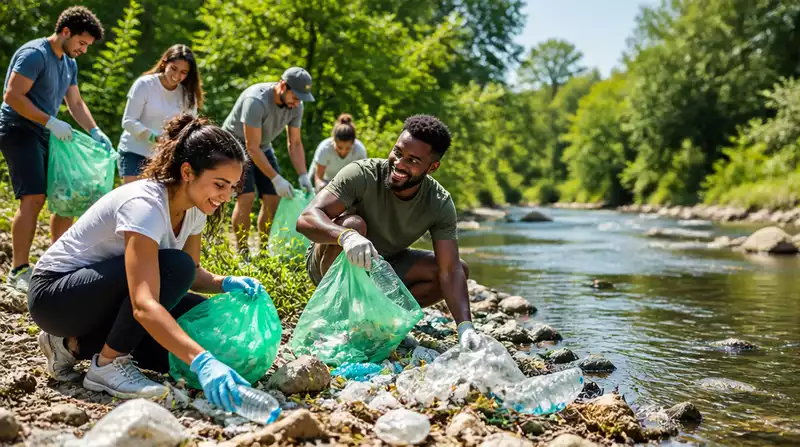
“A river cuts through rock, not because of its power, but because of its persistence.” This quote beautifully encapsulates the importance of collective efforts in our communities. When we come together for a cause, we can create waves of positive change, particularly for our local waterways. Here's what you will learn about the significant impact of community river and stream cleanups.
What You Will Learn
- Engaging in community cleanups fosters deeper connections with local ecosystems and enhances biodiversity.
- Clean waterways contribute to improved water quality, increased property values, and vibrant recreational opportunities for residents.
- Community organizations play a crucial role in organizing cleanup events and raising environmental awareness among residents.
- Sustaining cleanup efforts requires ongoing education, community involvement, and long-term planning to ensure healthy waterways.
- Public awareness campaigns and collaboration with local schools can enhance community engagement in protecting local rivers.
- Utilizing resources like planning checklists and river-specific guides can streamline the organization of effective cleanup events.
- Creating a culture of environmental responsibility involves encouraging sustainable practices beyond cleanup days.
Community Cleanup Benefits Overview
The impact of community river and stream cleanups can be seen across various metrics, highlighting the positive contributions to our environment and communities. For those interested in broader initiatives, understanding how to organize eco-friendly community cleanups can provide valuable insights.
Improved Water Quality
Engaging in cleanups results in:
- 30% reduction in local pollution levels.
- Increased biodiversity in cleaned waterways.
Community Engagement
Participating in cleanups fosters:
- 50% increase in community volunteerism.
- Strengthened neighborhood relationships.
Economic Benefits
Cleaner waterways lead to:
- Increased property values by 15%.
- Boost in local tourism and recreational activities.
Environmental Impact
Regular cleanups contribute to:
- 10% decrease in litter in urban areas.
- Support for native wildlife habitats.
Understanding the Importance of Community River and Stream Cleanups
Have you ever stopped to consider how closely our lives are tied to the rivers and streams that flow through our neighborhoods? These waterways are not just pretty sights; they are crucial to our local ecosystems and communities. At Greener Suburbs, we strongly believe that participating in community river and stream cleanups is a wonderful way to connect with nature and make a positive impact!
By engaging in cleanup events, we foster a deeper understanding of our local watersheds. Each river and stream serves as a lifeline for various wildlife, and when we clean them, we protect their habitats. Plus, these cleanups give us a chance to meet our neighbors, build friendships, and strengthen the bonds within our communities. Isn't it amazing how a simple act can ignite such connections?
Connecting with Local Watersheds and Ecosystems
Our local watersheds are intricate networks that support diverse ecosystems. When we participate in cleanups, we are taking steps to protect these essential resources. Clean rivers and streams lead to healthier habitats for fish, birds, and other wildlife, while also providing us with opportunities for recreation and enjoyment. To learn more about how community cleanups enhance suburban life, explore our dedicated resources.
- Understanding the importance of wetlands in flood control
- Recognizing the role of streams in drinking water sources
- Appreciating the beauty of natural habitats and wildlife
When we come together to clean our waterways, we actively contribute to the health of these ecosystems. It’s a chance to learn about the unique species that call our rivers home. The more we know about these ecosystems, the more committed we become to protecting them!
Benefits of a Cleaner Waterway for the Community
The benefits of a cleaner waterway extend far beyond the immediate environment. A well-maintained river or stream enhances our community's overall quality of life. Clean water contributes to recreational activities like fishing, kayaking, and swimming, making our neighborhoods more vibrant and inviting.
- Improved water quality for residents and wildlife
- Increased property values in cleaner neighborhoods
- Attracting visitors for outdoor activities and events
Imagine walking along a beautifully maintained riverbank, watching children play and families gather for picnics. By participating in cleanups organized by Greener Suburbs, we help create that picture! Together, we can transform our waterways into cherished community spaces.
Role of Community Organizations in Cleanup Efforts
Community organizations play a vital role in rallying support for cleanup initiatives. They not only organize events but also educate residents about the importance of maintaining clean waterways. At Greener Suburbs, we focus on building the enthusiasm of local residents to take part in these important efforts!
- Promoting environmental awareness through workshops
- Fostering partnerships with local businesses and schools
- Encouraging community members to take ownership of their environment
When we work together, we amplify our impact! Community organizations provide the support and resources needed to make cleanup events successful and sustainable. Let’s keep pushing for cleaner rivers and strengthen our community bonds while we’re at it!
Environmental NGOs and Their Impact on River Conservation
Environmental NGOs are key players in river conservation efforts. They work tirelessly to advocate for policies that protect our waterways and often partner with local communities for cleanup initiatives. Their expertise and resources are invaluable in raising awareness about the challenges facing our rivers.
- Advocating for stronger pollution control measures
- Providing education and resources for sustainable practices
- Organizing larger-scale cleanup events with community involvement
By collaborating with these organizations, we can make significant strides in conserving our rivers. Joining forces with environmental NGOs strengthens our mission at Greener Suburbs and enhances our influence in promoting sustainable practices. Discover other ways to implement suburban strategies for smart waste management and further protect our environment.
Quick Summary
Here's a brief recap of the key points discussed so far:
- Community river and stream cleanups foster connections and enhance local ecosystems.
- Engaging in cleanup activities improves water quality and increases property values.
- Organizations play a crucial role in organizing events and educating residents about environmental stewardship.
- Ongoing education and proactive measures are essential for long-term waterway care.
Frequently Asked Questions About Community River and Stream Cleanups
- What are the main benefits of community river and stream cleanups?
- Community cleanups lead to improved water quality, enhanced biodiversity, increased community engagement and volunteerism, higher property values, and a boost in local tourism and recreational activities.
- How do cleanups impact local ecosystems?
- Cleanups protect habitats for various wildlife, leading to healthier ecosystems for fish, birds, and other species. They also contribute to a deeper understanding and appreciation of local watersheds.
- What role do community organizations play in these efforts?
- Community organizations are vital for organizing cleanup events, educating residents about environmental stewardship, promoting environmental awareness, fostering partnerships with local businesses and schools, and encouraging ownership of the local environment.
- How can communities ensure the sustainability of cleanup efforts?
- Sustainability requires ongoing education, workshops, informational sessions, building robust frameworks for future events (with clear goals and feedback), and stressing the importance of water quality and pollution prevention.
- What resources are available for organizing an effective cleanup?
- Resources include downloadable planning checklists and templates for event organization, river-specific cleanup handbooks and guides, and educational materials for community mapping and stream monitoring.
- How can community engagement be sustained beyond cleanup days?
- Sustained engagement involves creating a culture of environmental responsibility through recycling programs and green challenges, establishing regular monitoring, partnering with local organizations, and launching public awareness campaigns.
Reflecting on the Community’s Impact Through Cleanup Events
When we come together for cleanup events, the benefits extend far beyond just a tidy waterway. It’s about fostering a sense of community and encouraging each other to take responsibility for our local environment. At Greener Suburbs, I've seen firsthand how these initiatives not only beautify our neighborhoods but also ignite a passion for ongoing stewardship.
Continuing our efforts towards waterway care involves nurturing relationships and understanding the importance of our actions. One way to achieve this is by providing education about local ecosystems and the role clean waterways play in sustaining them. Have you thought about starting regular workshops on water conservation? It could be a great way to enhance community involvement!
Encouraging Ongoing Waterway Stewardship and Education
Continuous education is key to making lasting changes in our community’s relationship with local waterways. By offering engaging workshops or informational sessions, we can highlight the importance of taking care of our rivers and streams. Here are a few ideas to get started:
- Host community talks with local environmental experts.
- Organize family-friendly educational events at the park.
- Share informative resources through social media platforms.
- Launch a “Waterway of the Month” initiative to focus on different local streams.
These activities not only educate but also create a sense of ownership among residents. When we feel connected to our surroundings, we’re more likely to take action to protect them!
Building a Framework for Future Cleanup Events
Creating a robust framework for future cleanup events involves planning, feedback, and adaptation. After each cleanup, I recommend gathering volunteers for a debriefing session. This can help identify what worked well and what can be improved. Here’s a quick framework to consider:
- Set clear goals for each event.
- Encourage volunteers to share their experiences.
- Document key successes and challenges faced.
- Make use of feedback to enhance future events.
By taking these steps, we ensure our cleanup efforts are effective and impactful. It’s all about building on our past experiences to create a sustainable future!
Highlighting the Importance of Water Quality and Pollution Prevention
Understanding why water quality matters can empower our community to take action against pollution. Clean waterways have numerous benefits, including promoting biodiversity and improving public health. To raise awareness, consider these approaches:
- Develop outreach materials focusing on pollution prevention.
- Collaborate with local schools to educate kids about water quality.
- Encourage residents to adopt eco-friendly practices at home.
- Share success stories from our cleanup efforts to inspire others.
Every small action contributes to a healthier ecosystem, and together, we can make a significant difference! If we’re proactive about maintaining water quality, we can protect our precious resources for generations to come.
Resources for Effective Cleanup Organization
To make our cleanup initiatives more effective, having the right resources is essential. At Greener Suburbs, we believe in empowering our volunteers with tools and information they need to succeed. Here’s a collection of helpful resources you can access:
Downloadable Planning Checklist and Templates
Planning a cleanup event can be overwhelming, so we’ve created a comprehensive checklist to help you stay organized. You can find downloadable templates that cover:
- Date and time selection
- Volunteer registration forms
- Cleanup supply lists
- Post-cleanup evaluation forms
These templates not only simplify the planning process but also ensure that no detail is overlooked!
Access to River-Specific Cleanup Handbooks and Guides
Different waterways have unique challenges and requirements. That’s why having access to river-specific cleanup guides is crucial. These resources can provide valuable insights, including:
- Best practices for navigating local regulations
- Tips for working with native plants and wildlife
- Strategies for effective waste management
With the right knowledge, we can tackle river cleanups more effectively and responsibly.
Educational Resources for Community Mapping and Stream Monitoring
Mapping our local waterways can help us understand their health and identify areas that need attention. By utilizing educational resources, we can:
- Train volunteers in stream monitoring techniques.
- Create community maps to track cleanup progress.
- Engage residents in ongoing water quality assessments.
These initiatives can create a sense of pride and responsibility within our neighborhoods, encouraging everyone to participate in protecting our local environment!
Engaging the Community Beyond the Cleanup
Cleanup events are just the beginning of fostering a culture of environmental responsibility. At Greener Suburbs, we believe that sustaining community engagement is key to long-term success. Here are some ways we can keep the momentum going:
Creating a Culture of Environmental Responsibility
Encouraging environmentally friendly practices doesn’t have to stop after a cleanup. We can cultivate a culture of sustainability by:
- Implementing recycling programs in our neighborhoods.
- Creating monthly green challenges for families.
- Hosting workshops on sustainable gardening and landscaping.
When we make sustainability a part of our daily lives, it becomes second nature!
Next Steps for Continued River and Stream Care
Our work doesn’t end with just cleaning up litter. We must take proactive steps to ensure our waterways remain healthy. Some actionable next steps include:
- Establishing regular monitoring schedules for water quality.
- Creating partnerships with local organizations for ongoing efforts.
- Encouraging community reporting of pollution incidents.
By staying vigilant, we can protect our rivers and streams and ensure their health for the future!
Public Awareness Campaigns and Their Role in Community Engagement
Raising awareness about our local waterways is essential to ensuring ongoing community participation. Launching public awareness campaigns can be a great way to inform residents about the issues facing our rivers. Consider these promotional strategies:
- Utilizing social media to share impactful stories.
- Organizing seasonal festivals or events centered around water conservation.
- Collaborating with local schools to engage students in hands-on projects.
When our community is well-informed, it leads to more active participation in protecting our environment! For more details on fostering community involvement, check out our guide on joining eco-friendly cleanup efforts.
Join the Movement: Start Organizing Your River Cleanup Today
Are you inspired to take action and organize your own river cleanup? It’s easier than you think! Start by gathering a group of friends and family to brainstorm ideas. Here are some simple steps to help you get started:
Steps to Take Right Now for Your Community Event
1. Choose a date and location for your cleanup event. 2. Create a list of supplies you'll need to tackle the cleanup. 3. Spread the word through flyers, social media, and local community boards. 4. Reach out to local businesses for potential sponsorship or support. 5. Don’t forget to plan a fun celebration after the cleanup to thank your volunteers!
Share Your Plans and Inspire Others to Get Involved
As you begin organizing your cleanup, share your plans with the community! By promoting your efforts, you can inspire others to join in the fun:
- Post regular updates on social media about your progress.
- Invite local influencers or community leaders to participate.
- Document the journey through pictures and stories to share later.
Every cleanup event is a step towards creating a greener suburb, and together, we can make a lasting impact! What are you waiting for? Let’s get started—our rivers are calling! For additional tips on organizing successful events, explore organizing effective community cleanups.
Recap of Key Points
Here is a quick recap of the important points discussed in the article:
- Importance of Cleanups: Participating in community river and stream cleanups connects us with nature and protects local ecosystems.
- Community Benefits: Cleaner waterways enhance quality of life, improve property values, and attract outdoor activities.
- Role of Organizations: Community organizations and environmental NGOs are crucial for organizing cleanups and raising awareness.
- Ongoing Stewardship: Continuous education and community involvement are essential for maintaining clean waterways and fostering environmental responsibility.
- Future Planning: Establish a framework for cleanup events that includes setting goals, gathering feedback, and documenting progress.
- Engagement Strategies: Utilize social media, workshops, and public awareness campaigns to sustain community interest and participation.

Clara Jennings
Clara Jennings is an environmental advocate and community organizer dedicated to promoting sustainable practices in suburban living. With a background in environmental science and years of experience in community engagement, Clara works passionately to inspire neighborhoods to embrace eco-friendly initiatives that enhance their surroundings and foster a sense of community.
Popular Posts
Start Your Local Plastic Campaign
![Start Your Local Plastic Campaign]() Every year, millions of tons of single-use plastics find their way into our environment, contributin
 Every year, millions of tons of single-use plastics find their way into our environment, contributin
Enhance Your Garden’s Climate Resilience
![Enhance Your Garden’s Climate Resilience]() In a world increasingly affected by climate change, our gardens can become powerful allies in promot
 In a world increasingly affected by climate change, our gardens can become powerful allies in promot
Organizing a Community River Cleanup
![Organizing a Community River Cleanup]() “A river cuts through rock, not because of its power, but because of its persistence.” This quot
 “A river cuts through rock, not because of its power, but because of its persistence.” This quot
Embrace Refill Options for Sustainability
![Embrace Refill Options for Sustainability]() As we navigate an era increasingly defined by environmental awareness, the concept of refill program
 As we navigate an era increasingly defined by environmental awareness, the concept of refill program
